
Best Startup Books
Topic List79 books curated818 recommendations totalThe startup books founders recommend most — lean methodology, venture funding, product-market fit and hiring. Plus the company histories worth reading before you repeat them.
Where to start: Startup Books recommended most often
Recommended books, ranked by how many of the 309 people behind this list recommended each one.
- 1The Hard Thing About Hard Things54 recommendations · recommended by Tim Ferriss, Drew Houston and Andrew Chen
- 2Zero to One54 recommendations · recommended by Derek Sivers, Peter Rex and Keith Rabois
- 3Atomic Habits52 recommendations · recommended by Derek Sivers, Tim Ferriss and Keith Rabois
- 4The Innovator's Dilemma41 recommendations · recommended by Drew Houston, Peter Rex and Andrew Chen
- 5Steve Jobs30 recommendations · recommended by Drew Houston, David Cancel and Bill Gates
Building a Business When There Are No Easy Answers
Recommended by Tim Ferriss, Drew Houston, Andrew Chen and 38 others
A blunt, conversational tour through the worst parts of building a company. Horowitz shares personal stories from his own startup failures and recoveries, offering practical wisdom on layoffs, pivots, CEO loneliness, and managing when times are bad. The value is in the honest, experience-based insight you won't get from business school. The limitation is its narrow focus on venture-backed tech startups—if you're not in that world, some advice may feel irrelevant. Reads like a wise mentor telling you what nobody else will.
Notes on Startups, or How to Build the Future
Recommended by Derek Sivers, Peter Rex, Keith Rabois and 39 others
A contrarian manifesto on building startups that create new categories rather than competing in existing ones. Thiel draws from PayPal and his investments in Facebook to argue that the best businesses are monopolies that avoid competition entirely. The book revolves around one question—What important truth do you believe that very few people agree with?—and uses it to interrogate everything from sales culture to the energy crisis. It reads like a sharp dinner argument with someone often right in a way that is uncomfortable to admit.
An Easy & Proven Way to Build Good Habits & Break Bad Ones
Recommended by Derek Sivers, Tim Ferriss, Keith Rabois and 44 others
A practical system for behavior change built on the idea that tiny, incremental improvements compound into remarkable results. Clear avoids motivation-based advice and instead focuses on environment design, habit stacking, and identity-based change—making good habits frictionless while making bad ones inconvenient. The book is structured in short, actionable chapters, each ending with a cheat sheet, so you can skip around based on what you are trying to fix. It cares less about the psychology of why you procrastinate and more about the engineering of making procrastination harder.
When New Technologies Cause Great Firms to Fail
Recommended by Drew Houston, Peter Rex, Andrew Chen and 27 others
A dense, methodical autopsy of how well-managed companies fail by doing exactly what they’re supposed to do: listen to customers and invest in high-margin products. The core insight—that disruptive technologies initially look irrelevant—unfolds through relentless case studies from disk drives to steel mills. Useful for its systemic logic, but the repetition can feel academic. You’ll get a precise vocabulary for a paradox, not a step-by-step fix. The theory is direct, yet the historical focus may leave you wondering how to apply it to your own fast-moving industry.
Isaacson’s biography pulls from numerous interviews to chronicle Steve Jobs’s life, from tech visionary to difficult boss. It shows the obsessive details and blunt personality through testimony from those who worked with him. The narrative can become repetitive with product launches and boardroom conflicts. You may admire the innovation but feel worn down by the extensive accounts of personal callousness and friction. It’s a long, detailed account that demands patience and a tolerance for emotional turbulence.
How Today's Entrepreneurs Use Continuous Innovation to Create Radically Successful Businesses
Recommended by Andrew Chen, Ryan Hoover, Sophie Bakalar and 20 others
The Lean Startup reads like a startup coach walking you through a method for testing ideas quickly, filled with war stories from the author’s own venture. Ries’s build-measure-learn loop repeats often, driving the point home but feeling like a mantra. Early chapters energize; the book sags under its own terminology in the middle. You’ll get a useful lens for reducing waste, though you might tire of the repetitive experimental approach and recycled examples.
The New Psychology of Success
Recommended by Derek Sivers, Peter Rex, Ev Williams and 21 others
Carol Dweck unpacks the distinction between fixed and growth mindsets, illustrating how beliefs about ability can shape learning, resilience, and achievement. The core idea is instantly applicable—shifting from 'I'm not good at this' to 'I'm not good at this yet'—and Dweck supports it with vivid schoolroom, sports, and boardroom stories. That same accessibility also becomes the book's friction point: the concept gets padded with repetitive case studies, and some readers will chafe at its relentless optimism and reliance on anecdotal evidence.
Why Some Companies Make The Leap and Others Don't
Recommended by Drew Houston, Ev Williams, Nat Eliason and 20 others
The book walks you through a multi-year research project, contrasting spectacular performers with mere survivors. The core insight—that sustained greatness hinges on disciplined people, thought, and action—feels sturdy and actionable. But the book’s arguments rely on retrospective selection of companies, and some of its darlings later faltered. You’ll find a methodical, almost monastic tone that rewards patience but may irritate if you want contemporary, tech-savvy lessons.

Recommended by Drew Houston, Peter Rex, Keith Rabois and 16 others
A lean, engineering-minded manual that treats management as a craft of maximizing leverage. Grove explains how to run meetings, set objectives, and evaluate performance with a clarity that cuts through typical business jargon. The book's value is its direct, actionable frameworks—like the "breakfast factory" analogy—that make abstract management tasks concrete. But its 1980s context shows: the examples feel dated, and it assumes a manufacturing mindset that may not translate smoothly to today's creative or remote teams. Some sections read like an internal memo—either refreshingly honest or disappointingly dry.
Powerful Lessons in Personal Change
Recommended by Nick Huber, Joe Martin, Ran Segall and 15 others
A leading management consultant outlines seven organizational rules for improving effectiveness and increasing productivity at work and at home.
What the Rich Teach their Kids About Money
Recommended by Ankur Warikoo, Nick Huber, Daymond John and 18 others
This book reads like a personal parable, contrasting two father figures to drive home a mindset shift about money. The strength is its memorable simplicity: it challenges the “go to school, get a job, and save” script, urging financial literacy and asset-building. However, the advice is vague, repetitive, and built on unverifiable anecdotes rather than a concrete system. You’ll find no step-by-step plans or worksheets here—just big ideas that either light a fire or leave you wanting more substance. It’s best as a narrative thought-starter, not an instruction manual. Its enduring popularity hinges on its emotional appeal and counterintuitive framing, not its instructional depth.
Marketing and Selling HighTech Products to Mainstream Customers
Recommended by Drew Houston, Andrew Chen, Ev Williams and 12 others
A practical guide to marketing disruptive technology products, built around the idea that many innovations stall between early adopters and the mainstream. Moore offers a clear playbook for identifying a beachhead segment and dominating it before expanding. The advice is direct and actionable, but the case studies—mostly from enterprise hardware and software of the 1990s—can feel distant. Still, the underlying segmentation logic remains useful for anyone navigating the messy middle of tech adoption.
How NonConformists Move the World
Recommended by Matej Latin, Seth Godin, Alfred Lin and 12 others
Originals reads like a breezy tour of social science studies packaged as career advice. The book’s value is how it upends tidy beliefs—like why the most original thinkers also tend to be chronic procrastinators or how speaking up late in a meeting can be more persuasive. The limitation is its overreliance on startup legends and lab findings that can feel like a grab bag of interesting anecdotes rather than a cohesive manual. If you’ve read modern business books, some insights will feel repackaged.
How Google, Bono, and the Gates Foundation Rock the World with OKRs
Recommended by Bill Gates, Dustin Moskovitz, Reid Hoffman and 10 others
INSTANT NEW YORK TIMES BESTSELLER 'For anyone interested in becoming a better manager' - Bill Gates -------- Discover the revolutionary movement behind the explosive growth of Intel, Google, Amazon and Uber.
Rules for Focused Success in a Distracted World
Recommended by Derek Sivers, Tim Ferriss, Nat Eliason and 15 others
Newport argues that sustained, distraction-free concentration is the competitive edge of the modern economy, then lays out rules for cultivating it. The book reads like a manifesto with tactical advice, but its first half is a lengthy justification that may feel redundant if you already value focus. The main limitation: the advice assumes a level of professional autonomy many readers lack—if your job requires constant responsiveness, the prescriptions can seem impractical or guilt-inducing.
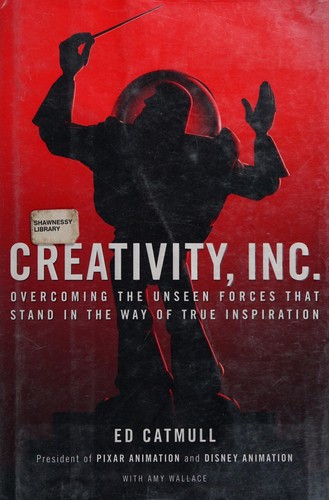
Overcoming the Unseen Forces That Stand in the Way of True Inspiration
Recommended by Tim Ferriss, Alexis Ohanian, Mark Zuckerberg and 11 others
Reading like a backstage memoir from Pixar’s co-founder, this book interweaves company history with a management philosophy built on protecting creative candor. The most useful part is its granular depiction of the Braintrust—a meeting designed to surface honest, sometimes brutal feedback without hierarchy—and the postmortem culture that forced the studio to learn from failure. However, the advice is inseparable from Pixar’s exceptional circumstances, and the book can feel like a polished victory lap. If you’re looking for replicable tactics rather than inspirational narrative, the anecdote-driven approach may leave you wanting more concrete tools.
The Timeless Art of Turning Trials into Triumph
Recommended by Derek Sivers, Tim Ferriss, Tom Bilyeu and 10 others
A brisk, anecdote-driven pep talk drawing on Stoic philosophy and historical figures to argue that obstacles can be turned to advantage. The three-part framework (Perception, Action, Will) is memorable and easy to apply. Each chapter presents a historical figure, a setback, and a lesson, which makes it feel like a series of blog posts stitched together. Useful for a quick motivational boost to reframe a frustrating situation. However, the cherry-picked stories and repetitive phrasing offer little nuance, and you'll likely notice that every figure is sanitized into a one-dimensional hero. It works best as a one-sitting skim, not a deep read.
Escape 95, Live Anywhere, and Join the New Rich
Recommended by Derek Sivers, Joe Martin, Daniel Pink and 14 others
The 4-Hour Workweek reads like a breathless, persuasive lecture that pushes you to abandon traditional work and embrace lifestyle design. Its value lies in reframing productivity and providing concrete tactics for automation, but the advice often feels like a slippery slope into hucksterism. The constant anecdotes about Ferriss's own exploits can grate, and the approach may leave you feeling like you’re being sold a dream rather than offered a sustainable path. A quick, energizing read that can also feel hollow.

Negotiating As If Your Life Depended On It
Recommended by Derek Sivers, Ankur Warikoo, Nick Huber and 12 others
Chris Voss delivers a blunt, story-driven playbook drawn from years as an FBI hostage negotiator. You'll learn field-tested techniques like mirroring, labeling, and calibrated questions, all illustrated through kidnappings and standoffs. The value is raw, psychological leverage you can apply immediately to business or personal disputes. The limitation: Voss's world is adversarial, and his advice can feel manipulative or out of place in everyday relationships. Without an interest in his crime stories, the book may also feel repetitive.

Recommended by Derek Sivers, Nick Huber, Matt D’Avella and 12 others
Reading 'Ego Is the Enemy' feels like sitting through a stern but engaging lecture where history's cautionary tales are used to hammer home a single point. The book's value lies in its vivid, memorable examples—from generals to CEOs—that make the dangers of pride tangible. However, the lesson can grow repetitive; the same idea is restated across similar stories, and the tone sometimes veers into moralizing. If you're looking for nuance or actionable exercises, this isn't it.
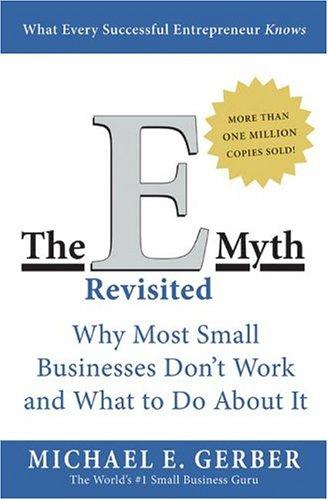
Why Most Small Businesses Don't Work and What to Do About It
Recommended by Derek Sivers, Tim Ferriss, Nick Huber and 12 others
EMyth \ 'e,'mith\ n 1: the entrepreneurial myth: the myth that most people who start small businesses are entrepreneurs 2: the fatal assumption that an individual who understands the technical work of a business can successfully run a business that does that technical workVoted…
The Power of Passion and Perseverance
Recommended by Derek Sivers, Tim Ferriss, Ankur Warikoo and 10 others
Angela Duckworth unpacks why persistent passion matters more than innate talent, weaving her own journey as a psychologist with case studies from spelling bees to Navy SEALs. The book's strength lies in its clear, memorable framing of grit as a key driver of achievement. However, it can feel repetitive, circling the same core idea with varying examples, and those already skeptical of pop psychology may find the stories thin. Useful as a foundation for rethinking effort, but not a step-by-step manual.
Essays on Software Engineering, Anniversary Edition (2nd Edition)
Recommended by Peter Rex, Andrew Chen, Jeff Bezos and 7 others
Reading it feels like listening to Frederick P. Brooks Jr. deliver a set of terse, experience-packed essays drawn from his time managing the IBM System/360 project. The most useful material: concise maxims about staffing, scheduling, documentation, and interface boundaries that give language for hard organizational limitations. Limits include dated technical examples, a single-author, prescriptive voice, and repeated restatements; readers looking for modern case studies or practical templates will find no hands-on exercises. Best read slowly to mine specific heuristics rather than as a how-to playbook.

Jeff Bezos and the Age of Amazon
Recommended by Drew Houston, David Cancel, Matt Mullenweg and 6 others
The definitive story of Amazon.com, one of the most successful companies in the world, and of its driven, brilliant founder, Jeff Bezos. Amazon.com started off delivering books through the mail. But its visionary founder, Jeff Bezos, wasn't content with being a bookseller.
Venture Capital and How to Get It
Recommended by Ryan Hoover, Chris Fralic, Michael Mauboussin and 7 others
A Wall Street Journal Bestseller! What are venture capitalists saying about your startup behind closed doors And what can you do to influence that conversationIf Silicon Valley is the greatest wealthgenerating machine in the world, Sand Hill Road is its humming engine.
Fully Revised and Updated Edition
Recommended by Ankur Warikoo, David Cancel, Ran Segall and 7 others
How to Create Uncontested Market Space and Make the Competition Irrelevant
Recommended by Tim Ferriss, Drew Houston, Aaron Levie and 6 others
A global phenomenon now published in a record 43 languages. Over 3.5 million copies sold. A bestseller across five continents.Since the dawn of the industrial age, companies have engaged in headtohead competition in search of sustained, profitable growth.

How to Exploit the Crisis Points That Challenge Every Company
Recommended by Ben Horowitz, Marc Andreessen, Bill Gates and 8 others
Grove uses Intel's history to lay out his approach to navigating massive industry shifts—what he calls strategic inflection points. The book is part memoir, part management advice, driven by firsthand stories of nearly missing the signals. It is useful for getting inside the mind of a decisive CEO, providing a visceral sense of crisis leadership. But the relentless focus on Intel's semiconductor battles can feel narrow and dated, and Grove's confident tone may put off those seeking collaborative or modern approaches.

Successful Habits of Visionary Companies (Good to Great)
Recommended by Drew Houston, Peter Rex, Ev Williams and 6 others
Drawing upon a sixyear research project at the Stanford University Graduate School of Business, James C. Collins and Jerry I. Porras took eighteen truly exceptional and longlasting companies and studied each in direct comparison to one of its top competitors.

Stories of Startups' Early Days
Recommended by Drew Houston, Andrew Chen, Ryan Hoover and 5 others
Now available in paperbackwith a new preface and interview with Jessica Livingston about Y Combinator!Founders at Work: Stories of Startups' Early Days is a collection of interviews with founders of famous Technology, companies about what happened in the very earliest days.
The Battle for Your Mind
Recommended by David Cancel, Sophie Bakalar, Ev Williams and 5 others
Witty and fast-paced, Positioning feels like a marketing memo about planting a simple, memorable place for a brand in a skeptical, mediablitzed public's mind. Its useful core is a set of portable heuristics for choosing a single message that reflects your strengths and concedes competitors' claims. The book leans on ad-era examples and blunt prescriptions, so parts read repetitive or anchored to pre-digital media. Take away crisp headline rules, but expect to adapt them heavily for social and digital channels.

Change The Way You Work Forever
Recommended by Tim Ferriss, Ankur Warikoo, Jeff Bezos and 6 others
From the founders of the trailblazing software company 37signals, here is a different kind of business book one that explores a new reality. Today, anyone can be in business. Tools that used to be out of reach are now easily accessible.

The Surprisingly Simple Truth Behind Extraordinary Results
Recommended by Alexis Ohanian, Maria Sharapova, Chude Jideonwo and 2 others
The One Thing explains the success habit to overcome the six lies that block our success, beat the seven thieves that steal time, and leverage the laws of purpose, priority, and productivity.

Be Smarter Than Your Lawyer and Venture Capitalist
Recommended by Ryan Hoover, Gaby Goldberg, Micah Baldwin and 4 others
Help take your startup to the next step with the new and revised edition of the popular book on the VC deal processfrom the cofounders of the Foundry GroupHow do venture capital deals come together This is one of the most frequent questions asked by each generation of new…

Why Staying Small is the Next Big Thing for Business
Recommended by Nick Huber, Matej Latin, George Hatzis and 4 others
Recommended by Tim Ferriss, Bill Gates, Michael McCullough and 4 others
A New York Times BestsellerIn latest bestseller, Atul Gawande shows what the simple idea of the checklist reveals about the complexity of our lives and how we can deal with it.The modern world has given us stupendous knowhow.
How Great Entrepreneurs Build Their Business and Influenceand How You Can, Too
Recommended by Ryan Hoover, Tom Bilyeu, Nate O'Brien and 3 others
Fourtime New York Times bestselling author Gary Vaynerchuk offers new lessons and inspiration drawn from the experiences of dozens of influencers and entrepreneurs who rejected the predictable corporate path in favor of pursuing their dreams by building thriving businesses and…
Violate Them at Your Own Risk!
Recommended by Tim Ferriss, Nat Eliason, Tim O’Reilly and 3 others
Successful Strategies for Products that Win
Recommended by Ryan Hoover, Andrew Chen and Ron Conway
This is a blunt, procedural manual for bringing a product to market: chapters move through customer discovery, hypothesis testing, and building repeatable sales and marketing steps, often presented as checklists and process diagrams. The most useful material is the step-by-step sequence of tests and practical milestones you can apply to avoid building the wrong product. Long procedural passages sacrifice narrative; it's more useful as a reference between meetings than for a straight-through read. Some readers will find the voice brusque rather than conversational.
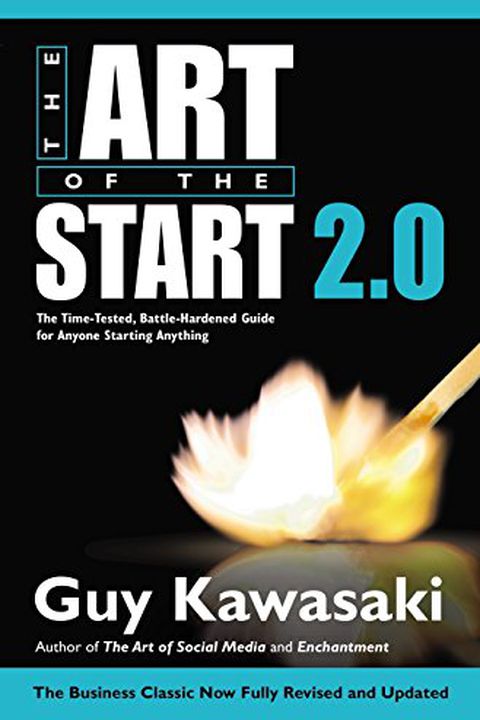
The TimeTested, BattleHardened Guide for Anyone Starting Anything
Recommended by Ev Williams, Keith Rabois and Matt Mullenweg
This is a rapid-fire, opinionated guide that reads like a long TED talk. Kawasaki delivers short, punchy chapters packed with bullet points, aphorisms, and reusable slides. What works best is a comprehensive checklist of things to consider when starting a venture—from crafting a pitch to managing cash flow. However, its breadth means depth is sacrificed; some sections feel like repurposed blog posts, and the tone can grate if you're allergic to relentless positivity and Silicon Valley swagger.
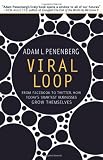
From Facebook to Twitter, How Today's Smartest Businesses Grow Themselves
Recommended by Ryan Hoover and Keith Rabois
Sharp, narrative-driven chapters present case studies of early product-driven viral growth, so reading feels like flipping through focused startup post-mortems. Useful takeaways are concrete patterns — referral triggers, onboarding nudges, and simple mechanics you can sketch into experiments. The book starts briskly; midbook repetition of the same case-study template makes momentum stall and chapters blur together. Annoying limits include era-specific examples, light or missing modern metrics, and no engineering-level detail. Better as idea-fuel for short experiments than a step-by-step technical manual.

A Painfully Honest Field Guide to the Startup World
Recommended by Russell Brunson, Chris Brogan, Jake Knapp and 1 other
Rand Fishkin, the founder and former CEO of Moz, reveals how traditional Silicon Valley "wisdom" leads far too many startups astray, with the transparency and humor that his hundreds of thousands of blog readers have come to love.

How Any Startup Can Achieve Explosive Customer Growth
Recommended by Alexis Ohanian, Seth Godin and Andrew Warner
Most startups end in failure.Almost every failed startup has a product. What failed startups don't have are enough customers.Founders and employees fail to spend time thinking about (and working on) traction in the same way they work on building a product.

How Empty Pockets, a Tight Budget, and a Hunger for Success Can Become Your Greatest Competitive Advantage
Recommended by Mark Cuban and Tianna Bartoletta
Daymond John's book is a brisk, anecdote-heavy business read built around launching a clothing line on a shoestring budget. Short chapters deliver fast, low-cost marketing ideas and morale-minded prompts that work as immediate attention-getters if you need to test demand without capital. The most useful elements are concrete stunt ideas and a mindset that treats scarcity as fuel for creativity. The book's limits are obvious: repetition of similar anecdotes, frequent first-person recounting, and little in the way of systematic, step-by-step operational guidance.

The A Method for Hiring
Recommended by Peter Rex, Nat Eliason, Alexis Ohanian and 1 other
In this instant New York Times Bestseller, Geoff Smart and Randy Street provide a simple, practical, and effective solution to what The Economist calls "the single biggest problem in business today" unsuccessful hiring.

Reinvent the Way You Make a Living, Do What You Love, and Create a New Future
Recommended by Matej Latin, Seth Godin and Tony Hsieh
The Third Metric to Redefining Success and Creating a Life of WellBeing, Wisdom, and Wonder
Recommended by Sheryl Sandberg, Suzy Amis Cameron and Amis Cameron
In Thrive, Arianna Huffington makes an impassioned and compelling case for the need to redefine what it means to be successful in today's world.

How do successful companies create products people cant put downWhy do some products capture widespread attention while others flop What makes us engage with certain products out of sheer habit Is there a pattern underlying how technologies hook usNir Eyal answers these…

The StepByStep Guide for Building a Great Company
Recommended by Sophie Bakalar, Matej Latin and Hiten Shah
More than 100,000 entrepreneurs rely on this book for detailed, stepbystep instructions on building successful, scalable, profitable startups.

Why Things Catch On
Recommended by Changpeng Zhao, Vladimer Botsvadze and Terrance McArthur

How to Tell Your Story in a Noisy Social World
Recommended by Daymond John and Chase Jarvis
The New York Times bestselling author and social media expert returns with hardwon advice on how to connect with customers and beat the competition by mastering social media marketingWhen managers and marketers outline their social media strategies, they often plan for the…
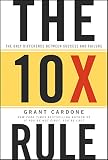
The Only Difference Between Success and Failure
Recommended by David Cancel, Ran Segall and James Clear
Grant Cardone's The 10X Rule is an aggressive, short book that urges readers to multiply goals and commit to 'massive action' instead of cautious planning. Its useful contribution is a vivid push to scale ambition and break timid, incremental habits through relentless focus on output. The book's limits are its one-note tone, frequent repetition of the same mantra, and modest attention to pacing or sustainable systems; readers wanting careful, measured argument or step-by-step operational guidance may feel shortchanged.

A Primer on the Future of PR, Marketing, and Advertising
Recommended by Andrew Chen and Andy Budd

Master the fundamentals, hone your business instincts, and save a fortune in tuition. The consensus is clear: MBA programs are a waste of time and money. Even the elite schools offer outdated assemblyline educations about profitandloss statements and PowerPoint presentations.
Turn Your Business Into a Sales Machine with the $100 Million Best Practices of Salesforce.com
Recommended by Andrew Gazdecki
Called "The Sales Bible of Silicon Valley"...discover the sales specialization system and outbound sales process that, in just a few years, helped add $100 million in recurring revenue to Salesforce.com, almost doubling their enterprise growth...with zero cold calls.
Show 23 more books with a single recommendation

Turning Strangers into Friends and Friends into Customers
Recommended by Noah Kagan
The man Business Week calls "the ultimate entrepreneur for the Information Age" explains "Permission Marketing"?the groundbreaking concept that enables marketers to shape their message so that consumers will willingly accept it.Whether it is the TV commercial that breaks into…
How High Achievers Really Set Themselves Up to Win
From Inc.com's most popular columnist, a counterintuitivebut highly practicalguide to finding and maintaining the motivation to achieve great things.It's comforting to imagine that superstars in their fields were just born better equipped than the rest of us.
It's Your Turn to #JoinTheRide
Recommended by Derek Sivers
In The Entrepreneur Roller Coaster you will learn the best strategies Darren has ever collected from the most successful people on the planet, covering the four essential skills necessary for entrepreneurial success: sales, recruiting, leadership, and productivity.
How to talk to customers & learn if your business is a good idea when everyone is lying to you
Recommended by Hiten Shah
The Mom Test is a quick, practical guide that will save you time, money, and heartbreak. They say you shouldn't ask your mom whether your business is a good idea, because she loves you and will lie to you. This is technically true, but it misses the point.

Anticipating and Avoiding the Pitfalls That Can Sink a Startup (The Kauffman Foundation Series on Innovation and Entrepreneurship)
Recommended by Leo Polovets
Often downplayed in the excitement of starting up a new business venture is one of the most important decisions entrepreneurs will face: should they go it alone, or bring in cofounders, hires, and investors to help build the business More than just financial rewards are at…
Fifty Pages for the FirstTime Entrepreneur
At twentyseven, Bo Peabody was an Internet multimillionaire. He has cofounded five different companies, in varied industries, and made them thrive during the best and worst of economic times.
A Venture Capital Insider Reveals How to Get from Startup to IPO on Your Terms
"Read this book right now so you can look your potential VC in the eye with confidence." David Meerman Scott, author of The New Rules of Marketing & PR Finding the right venture capitalist to back your startup is a challenge.

Lessons in Life and Business (Expanded)
Richard Branson is an iconic businessman. In Screw It, Let's Do It, he shares the secrets of his success and the invaluable lessons he has learned over the course of his remarkable career.


The Art of Changing Hearts, Minds, and Actions
Practical and example-rich, Enchantment offers step-by-step tips for making products, pitches, and people more likable and persuasive. Expect short chapters packed with anecdotes, checklists, and direct how-to pointers useful for sales, marketing, and customer-facing roles. The limitation is a surface-level treatment: deeper organizational strategy or evidence is mostly absent, and repeated examples can feel formulaic. Best read as an idea-sparking handbook to apply selectively rather than a comprehensive guide to influence.
Journey from Entrepreneur to CEO
Learn how to take your company to the next level of growth through the stories of over 500 successful entrepreneurs. Developed by the Kauffman Center for Entrepreneurial Leadership, this flagship book introduces a new series on managing growth.
How MidLife Entrepreneurs Create Wealth, Freedom, & Purpose

A Handbook for Visionaries, Game Changers, and Challengers
Business Model Generation is a practical, inspiring handbook for anyone striving to improve a business model or craft a new one.1) Change the way you think about business modelsBusiness Model Generation will teach you powerful and practical innovation techniques used today by…
Techstars Lessons to Accelerate Your Startup
Refreshed, updated, and expanded. Do More Faster provides timetested advice, tips, and experiences by founders and mentors of Techstars to help entrepreneurs succeed!David Cohen and Brad Feld, leading advocates for entrepreneurs and startups, team up to provide firsttime…

A Few Things I Learned While Growing To 100 Million Users And Losing $78 Million
Ranked 'BEST STARTUP BOOKS OF ALL TIME'' by BenzingaRanked' BEST GROWTHHACKING BUSINESS BOOKS' by Entrepreneur.com#1 BESTSELLER in 5 Startup & Entrepreneurship CategoriesThis compelling and inspiring narrative gives entrepreneurs a rare behindthescenes look inside a fastgrowing…

How Today's FastestGrowing Companies Drive Breakout Success
The definitive playbook by the pioneers of Growth Hacking, one of the hottest business methodologies in Silicon Valley and beyond.
How a Few Companies Make It...and Why the Rest Don't (Rockefeller Habits 2.0)
Winner of the 2015 International Book Awards for General BusinessWinner of the 2015 National Indie Excellence Award for General Business Winner of the 2015 Readers' Favorite International Book Award Gold Medal for NonFiction BusinessWinner of the 2015 Paris Book Festival Award…

4 Keys to Unlock Your Business Potential
Based on the premise that accountants often make finance unnecessarily confusing, this guide helps small business owners see beyond the numbers.
25 Steps to a Scalable, HighGrowth Business
25 Steps to Found and Scale a HighGrowth Business The Startup Checklist is the entrepreneur's essential companion. While most entrepreneurship books focus on strategy, this invaluable guide provides the concrete steps that will get your new business off to a strong start.
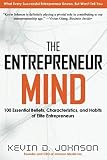
100 Essential Beliefs, Characteristics, and Habits of Elite Entrepreneurs
To achieve unimaginable business success and financial wealthto reach the upper echelons of entrepreneurs, where you'll find Mark Zuckerberg of Facebook, Sara Blakely of Spanx, Mark Pincus of Zynga, Kevin Plank of Under Armour, and many othersyou have to change the way you…
How to Test Your Next Business Idea So You Don't Waste Your Time and Money
Recommended Startup Books by Derek Sivers
Derek Sivers recommends 12 books on this list. See all book recommendations by Derek Sivers
Recommended Startup Books by Tim Ferriss
Tim Ferriss recommends 11 books on this list. See all book recommendations by Tim Ferriss
Recommended Startup Books by Drew Houston
Drew Houston recommends 10 books on this list. See all book recommendations by Drew Houston
Startup Books: common questions
- What are the most recommended startup books?
- The Hard Thing About Hard Things, Zero to One and Atomic Habits are the most recommended startup books on BookMentions, ranked by how many people recommended them.
- Who recommends startup books?
- Derek Sivers, Tim Ferriss, Drew Houston and Andrew Chen are among the people who recommend books on this list. Each name links to their full set of book recommendations.
- Which of these startup books should I read first?
- The Hard Thing About Hard Things is the most recommended here with 54 recommendations, which makes it the safest place to start.
Built from recommendation data, category signals, and source-backed book records. Use this list as a starting point; open any book to see proof, context, and Amazon options where available.
Explore more lists
Best Growth Hacking Books
17 booksGrowth Hacking books, including titles recommended by Austen Allred, Keith Rabois and Nir Eyal. Most recommended here: Blitzscaling, Don't Make Me Think and Viral Loop.
Best Marketing Books
90 booksMarketing books recommended most by operators and founders — positioning, brand, copywriting and growth. Plus the pricing case studies that hold up.
Best Project Management Books
85 booksProject Management books, including titles recommended by Andrew Chen, Alexis Ohanian and David Cancel. Most recommended here: The Hard Thing About Hard Things, The Lean Startup and Good To Great.
Best Productivity Books
22 booksThe productivity books people actually finish and apply — focus, habits, time management and attention. Ranked by how many people recommended each title, with the source behind every pick.
Best Sales Books
98 booksThe sales books that quota-carriers and founders actually recommend — prospecting, negotiation and pricing. Ranked by how many people recommended each title, not by publisher marketing.
Best Leadership Books
98 booksThe leadership books founders, executives and military officers recommend most — management, decision-making and organisational culture. Ranked by how many people recommended each title, not by publisher marketing.
About this list
This list aggregates books that appear in public recommendation sources, reader-interest signals, and category data. Books are ranked by their position from the source list; recommendation counts and ratings are shown where available. Open any book to see source-backed recommendation proof, editorial context, and Amazon options — the per-book detail page is where the trust signals live.
Recommended books by person: who recommends startup books
Books recommended by the people below. Open a profile to see everything they recommend, with the source behind each pick.
- Derek SiversBooks recommended by Derek: 12

- Tim FerrissBooks recommended by Tim: 11

- Drew HoustonBooks recommended by Drew: 10

- Andrew ChenBooks recommended by Andrew: 8
- Peter RexBooks recommended by Peter: 8
- Ryan HooverBooks recommended by Ryan: 8
- Ankur WarikooBooks recommended by Ankur: 7
- David CancelBooks recommended by David: 7
- Ev WilliamsBooks recommended by Ev: 7

- Keith RaboisBooks recommended by Keith: 7

- Nick HuberBooks recommended by Nick: 7
- Sophie BakalarBooks recommended by Sophie: 7