
Books Recommended by Tim Ferriss
Category75 books curated1,151 recommendations totalBooks recommended by Tim Ferriss on his podcast, blog and in his own writing — performance, philosophy, investing, psychedelics and biography. Guest recommendations included, each traced to the episode or post.
Where to start: Books Recommended by Tim Ferriss recommended most often
Recommended books, ranked by how many of the 411 people behind this list recommended each one.
- 1The Hard Thing About Hard Things54 recommendations · recommended by Tim Ferriss, Nat Eliason and Ankur Warikoo
- 2Principles53 recommendations · recommended by Tim Ferriss, Nat Eliason and Naval Ravikant
- 3Atomic Habits52 recommendations · recommended by Tim Ferriss, Frank Chimero and Vinod Khosla
- 4The Alchemist50 recommendations · recommended by Tim Ferriss, Nat Eliason and Sophie Bakalar
- 5Atlas Shrugged44 recommendations · recommended by Tim Ferriss, Nat Eliason and Ev Williams
Building a Business When There Are No Easy Answers
Recommended by Tim Ferriss, Nat Eliason, Ankur Warikoo and 38 others
A blunt, conversational tour through the worst parts of building a company. Horowitz shares personal stories from his own startup failures and recoveries, offering practical wisdom on layoffs, pivots, CEO loneliness, and managing when times are bad. The value is in the honest, experience-based insight you won't get from business school. The limitation is its narrow focus on venture-backed tech startups—if you're not in that world, some advice may feel irrelevant. Reads like a wise mentor telling you what nobody else will.
Life and Work
Recommended by Tim Ferriss, Nat Eliason, Naval Ravikant and 37 others
This is Dalio’s operating manual for life and work—part memoir, part handbook. He distills his hedge fund’s culture into repeatable 'principles' for radical transparency and systematic thinking. The useful part is the concrete algorithms for error-logging and group decision-making; the annoying part is the cultish fervor around his own brilliance and the implication that his way scales universally. It reads like a boss’s extended memo, sometimes riveting, sometimes eye-rolling.
An Easy & Proven Way to Build Good Habits & Break Bad Ones
Recommended by Tim Ferriss, Frank Chimero, Vinod Khosla and 37 others
A practical system for behavior change built on the idea that tiny, incremental improvements compound into remarkable results. Clear avoids motivation-based advice and instead focuses on environment design, habit stacking, and identity-based change—making good habits frictionless while making bad ones inconvenient. The book is structured in short, actionable chapters, each ending with a cheat sheet, so you can skip around based on what you are trying to fix. It cares less about the psychology of why you procrastinate and more about the engineering of making procrastination harder.
25th Anniversary Edition
Recommended by Tim Ferriss, Nat Eliason, Sophie Bakalar and 33 others
A quick, dreamy fable about a shepherd chasing treasure who finds wisdom instead. The prose is easy, almost childlike, and the story moves through symbolic encounters that each deliver a lesson about listening to your heart. You’ll underline a few lines if you’re open to its message, but the charm fades if you bristle at repeated aphorisms. The main limitation: it can feel like a beautifully wrapped box of motivational quotes—inspiring to some, trite to others.
A sprawling ideological novel set in a dystopian America where productive industrialists and creators go on strike against a society that shackles them with regulation and collective guilt. The plot follows railroad executive Dagny Taggart as she fights to keep her company running while the most capable minds mysteriously disappear. At well over a thousand pages, it is less a novel than a philosophical argument dressed in fiction—the characters deliver extended speeches on individualism, rational self-interest, and the moral evil of altruism. It polarizes because it demands you take a side.

A Novel
Recommended by Tim Ferriss, Nat Eliason, Naval Ravikant and 19 others
The “brilliantly realized” (The New York Times Book Review) breakthrough novel from visionary author Neal Stephenson, a modern classic that predicted the metaverse and inspired generations of Silicon Valley innovators Hiro lives in a Los Angeles where franchises line the freeway…
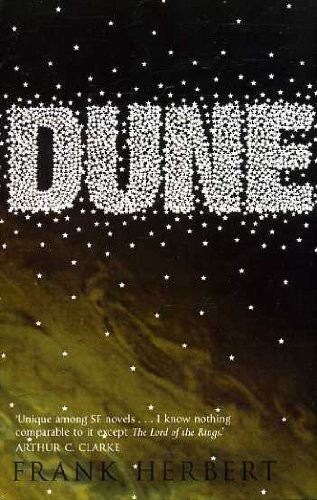
Deluxe Edition
Recommended by Tim Ferriss, Ev Williams, Sophie Bakalar and 24 others
Set on the desert planet Arrakis, Dune immerses you in a feudal interstellar empire where noble houses clash over the universe's most valuable resource. The narrative weaves political intrigue, messianic prophecy, and ecological adaptation. Useful if you want a richly realized world that explores power and human potential. Its density and extensive inner monologue can feel slow; you may find yourself bogged down by the sheer volume of invented terminology and the occasional preachy tone.
La historia de Buda novelada por Herman Hesse.Esta novela, ambientada en la India tradicional, relata la vida de Siddhartha, un hombre para quien el camino de la verdad pasa por la renuncia y la comprensión de la unidad que subyace en todo lo existente.
What the New Science of Psychedelics Teaches Us About Consciousness, Dying, Addiction, Depression, and Transcendence
Recommended by Tim Ferriss, Naval Ravikant, Sophie Bakalar and 19 others
“Pollan keeps you turning the pages . . . cleareyed and assured.” —New York Times A #1 New York Times Bestseller, New York Times Book Review 10 Best Books of 2018, and New York Times Notable Book A brilliant and brave investigation into the medical and scientific revolution…
Recommended by Tim Ferriss, Naval Ravikant, Tim O’Reilly and 17 others
Reading the Tao Te Ching feels like stepping into a mist of aphorisms—some luminous, some frustratingly opaque. Its usefulness lies in its ability to unsettle fixed thinking and open a space for intuitive understanding. But it will likely annoy you if you expect clear definitions or systematic philosophy; many verses feel contradictory, deliberately evading logical grasp. You’ll either find it a profound companion or an exercise in poetic vagueness.
Why We Do What We Do in Life and Business
Recommended by Tim Ferriss, Nat Eliason, Naval Ravikant and 20 others
NEW YORK TIMES BESTSELLER • This instant classic explores how we can change our lives by changing our habits. NAMED ONE OF THE BEST BOOKS OF THE YEAR BY The Wall Street Journal • Financial Times In The Power of Habit, award-winning business reporter Charles Duhigg takes us to…
The Disciplined Pursuit of Less
Recommended by Tim Ferriss, Ankur Warikoo, Ran Segall and 18 others
This book offers a mindset shift: do less but better by cutting out the non-essential. It reads like a series of anecdotes and motivational nudges, with occasional diagrams. The useful part is its core idea—daring to focus only on what truly matters—and the practical ways it helps you identify and eliminate the trivial. However, it can feel repetitive, stretching one elegant concept across 200 pages. If you're already a minimalist or want fresh insight, you'll find it thin; if you're drowning in busyness, it might be the reset you need.
Things That Gain from Disorder (Incerto)
Recommended by Tim Ferriss, Nat Eliason, Naval Ravikant and 21 others
Taleb’s Antifragile reads like a sprawling, anecdote-heavy monologue from a sharp but abrasive dinner guest. The core idea — that some systems thrive on volatility — is genuinely useful for rethinking risk in careers, investing, and health. However, the book is padded with digressions, personal vendettas, and broad generalizations. You’ll gain a memorable mental model but likely lose patience with the self-congratulatory tone and absence of empirical rigor. Best absorbed in small doses, not as a coherent argument.
Lessons Learned from 15 Years as CEO of the Walt Disney Company
Recommended by Tim Ferriss, Bill Gates, Alexis Ohanian and 15 others
This is Iger’s personal account of his tenure as Disney’s CEO, structured around principles he used to navigate massive decisions—buying Pixar, Marvel, Lucasfilm, and launching Disney+. The writing is polished and conversational, like an extended interview, offering vivid boardroom anecdotes and leadership maxims. The book’s strength is its clear, experience-based lessons on managing creative talent, handling crises, and thinking long-term. However, it can feel self-congratulatory and gloss over failures; it’s more a victory lap than a warts-and-all confession. If you’re looking for a balanced critique of corporate culture, you’ll find this one-sided.
Some Instructions on Writing and Life
Recommended by Tim Ferriss, Matt Mullenweg, Daniel Pink and 13 others
Bird by Bird is the bible of writing guides – a wry, honest, down-to-earth book that has never stopped selling since it was first published in the United States in the 1990s. Bestselling novelist and memoirist Anne Lamott distils what she’s learned over years of trial and error.
A Memoir of the Craft
The author shares his insights into the craft of writing and offers a humorous perspective on his own experience as a writer.
Recommended by Tim Ferriss, Nat Eliason, Sadia Badiei and 12 others
The Magic of Thinking Big reads like a stream of practical, no-nonsense advice from a 1950s business coach. It is packed with short chapters, anecdotes, and direct admonitions to build confidence, stop making excuses, and take action. The useful part is its ability to jolt you out of complacency and make you believe you can achieve more. The limiting part is its dated flavor—stories and language that may feel out of touch, and advice that repeats the same core ideas without deepening them. You’ll absorb it quickly, but some may find it too simplistic for today’s world.
Hitchhiker's Guide to the Galaxy, Book 1
Recommended by Tim Ferriss, Naval Ravikant, Ankur Warikoo and 14 others
Reading this is like being cornered by a sharp, slightly manic friend who’s decided to explain why the meaning of life is 42. The joy comes from Douglas Adams’s relentless wit, playful footnotes, and a universe where bureaucracy is a cosmic horror. The main limitation is that the plot often meanders into extended comedy sketches; if you’re waiting for a conventional payoff, you’ll be left adrift. Its strength is also its weakness: the jokes never stop, but stakes barely register.
Rules for Focused Success in a Distracted World
Recommended by Tim Ferriss, Nat Eliason, Derek Sivers and 15 others
Newport argues that sustained, distraction-free concentration is the competitive edge of the modern economy, then lays out rules for cultivating it. The book reads like a manifesto with tactical advice, but its first half is a lengthy justification that may feel redundant if you already value focus. The main limitation: the advice assumes a level of professional autonomy many readers lack—if your job requires constant responsiveness, the prescriptions can seem impractical or guilt-inducing.
An Autobiography
#1 NATIONAL BESTSELLER • Far more than a superb memoir about the highest levels of professional tennis, Open is the engrossing story of a remarkable life.
The Timeless Art of Turning Trials into Triumph
Recommended by Tim Ferriss, Derek Sivers, Tom Bilyeu and 10 others
A brisk, anecdote-driven pep talk drawing on Stoic philosophy and historical figures to argue that obstacles can be turned to advantage. The three-part framework (Perception, Action, Will) is memorable and easy to apply. Each chapter presents a historical figure, a setback, and a lesson, which makes it feel like a series of blog posts stitched together. Useful for a quick motivational boost to reframe a frustrating situation. However, the cherry-picked stories and repetitive phrasing offer little nuance, and you'll likely notice that every figure is sanitized into a one-dimensional hero. It works best as a one-sitting skim, not a deep read.
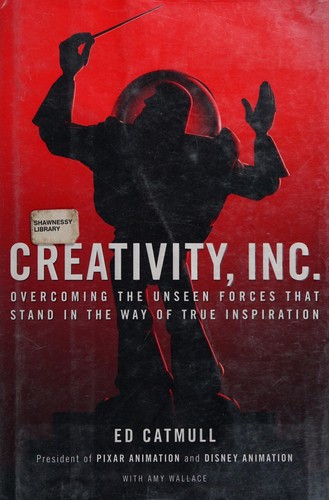
Overcoming the Unseen Forces That Stand in the Way of True Inspiration
Recommended by Tim Ferriss, Alexis Ohanian, Mark Zuckerberg and 11 others
Reading like a backstage memoir from Pixar’s co-founder, this book interweaves company history with a management philosophy built on protecting creative candor. The most useful part is its granular depiction of the Braintrust—a meeting designed to surface honest, sometimes brutal feedback without hierarchy—and the postmortem culture that forced the studio to learn from failure. However, the advice is inseparable from Pixar’s exceptional circumstances, and the book can feel like a polished victory lap. If you’re looking for replicable tactics rather than inspirational narrative, the anecdote-driven approach may leave you wanting more concrete tools.
The Ancient Art of Stoic Joy
Recommended by Tim Ferriss, Derek Sivers, Austen Allred and 10 others
Straightforward unpacking of Stoicism for modern anxieties. Irvine explains techniques like negative visualization with patient clarity, and early on makes contentment feel like a trainable skill. The middle drags as he repeats methods, and ancient Roman examples may alienate readers wanting contemporary stories. The book’s stern, no-excuses approach can grate if you’re already overwhelmed by life’s structural burdens, but its disciplined methods provide a bracing mental reset for those ready to adopt a more detached inner posture.
The Definitive Guide to Getting the Right Things Done (Harperbusiness Essentials)
Recommended by Tim Ferriss, Nat Eliason, Ev Williams and 11 others
Drucker delivers a lecture-like, unsentimental read that strips effectiveness to five habits: tracking time, focusing outward, leveraging strengths, prioritizing ruthlessly, and systematic decisions. The useful part is redirecting attention from busyness to contribution—a productivity audit for your role. The annoyance: dated offices, a dry tone, and some oversimplification of how to apply ideas in flat, digital organizations. Still, a clarifying jolt if you need a mental reset, but many will find it too abstract for immediate action.
How to Nurture the Crazy Ideas That Win Wars, Cure Diseases, and Transform Industries
Recommended by Tim Ferriss, Bill Gates, Daniel Pink and 14 others
Safi Bahcall mixes historical vignettes with a central metaphor from physics—phase transitions—to explain why companies often kill their own breakthroughs. The idea distinguishes 'loonshots' (radical ideas) from 'franchise' (core business) and shows how structure inhibits innovation. The most useful part is recognizing organizational 'immune responses' that attack early-stage thinking. But the physics-heavy lens can feel strained, and the book leans more toward diagnosis than concrete, get-started-today tactics. If you come for a crisp how-to manual, you'll likely leave frustrated.
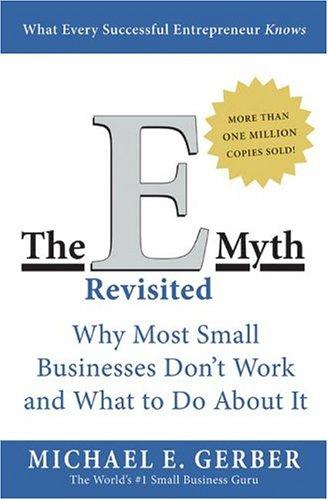
Why Most Small Businesses Don't Work and What to Do About It
Recommended by Tim Ferriss, Derek Sivers, Tom Bilyeu and 12 others
EMyth \ 'e,'mith\ n 1: the entrepreneurial myth: the myth that most people who start small businesses are entrepreneurs 2: the fatal assumption that an individual who understands the technical work of a business can successfully run a business that does that technical workVoted…
A Path to Profits, Passion, and Purpose
Recommended by Tim Ferriss, Ev Williams, Ran Segall and 8 others
Pay brandnew employees $2,000 to quit Make customer service the responsibility of the entire companynot just a department Focus on company culture as the #1 priority Apply research from the science of happiness to running a business Help employees growboth personally and…
How U.S. Navy SEALs Lead and Win
Recommended by Tim Ferriss, Alexis Ohanian, David Cancel and 11 others
Extreme Ownership uses gripping SEAL combat stories to deliver hard-edged leadership advice. The war stories are visceral and memorable, driving home the principles. The straightforward mantra—take full responsibility—can be transformative if you embrace it. However, the repetitive structure (war story, principle, business application) becomes predictable; you can guess the template after a few chapters. The tone is unyielding, often dismissing emotional or collaborative leadership styles. The business applications sometimes feel forced, but the core message of personal accountability is bracing.
The Power of Passion and Perseverance
Angela Duckworth unpacks why persistent passion matters more than innate talent, weaving her own journey as a psychologist with case studies from spelling bees to Navy SEALs. The book's strength lies in its clear, memorable framing of grit as a key driver of achievement. However, it can feel repetitive, circling the same core idea with varying examples, and those already skeptical of pop psychology may find the stories thin. Useful as a foundation for rethinking effort, but not a step-by-step manual.
An American Life
Isaacson’s biography links Franklin’s many roles into a coherent life story, useful for readers who want to see how his public achievements and private contradictions intertwined. The parts on his pragmatic brilliance and self-fashioned image keep things moving, but the diplomatic intricacies and political maneuvering can drag. The personal side, including his strained family relationships, adds depth, though some readers will wish for sharper criticism. It rewards patience but will lose anyone wanting a leaner account.

Ender Saga, Book 1
Recommended by Tim Ferriss, Ev Williams, Ryan Holiday and 9 others
Ender's Game pulls you into the mind of a gifted child forced into brutal military training to save humanity. The prose is crisp and efficient, propelling you through battle room tactics and psychological manipulation. The main value lies in its intense focus on leadership, empathy-through-understanding-enemies, and the cost of genius. The limitation: the narrative's relentless grimness and the detached tone can feel cold, and the violence inflicted on children might be off-putting.

Negotiating Agreement Without Giving In
Recommended by Tim Ferriss, Nat Eliason, Drew Houston and 6 others
Negotiation is a way of life for the majority of us. Whether we're at work, at home or simply going out, we want to participate in the decisions that affect us.

On Homecoming and Belonging
Recommended by Tim Ferriss, Josh Waitzkin, Emma Watson and 7 others
Sebastian Junger, the bestselling author of War and The Perfect Storm, takes a critical look at posttraumatic stress disorder and the many challenges todays returning veterans face in modern society.There are ancient tribal human behaviorsloyalty, interreliance, cooperationthat…

A Guide to Wealth and Happiness
Recommended by Tim Ferriss, Naval Ravikant, Ankur Warikoo and 8 others
This collection of short, pithy maxims reads like scrolling through a curated Twitter feed. The advice on leverage, specific knowledge, and internal peace is distilled into memorable one-liners that are easy to revisit. However, the lack of narrative arc or substantive depth can make it feel repetitive and superficial, especially if you’re at burnout or seeking detailed how-tos. It works best as a quick-hit inspiration source, not a linear read. Entrepreneurs and self-improvement enthusiasts will dog-ear the wisdom, but anyone craving a coherent argument will put it down halfway.

The Keys to Success and LongTerm Fulfillment
George Leonard uses aikido and Zen to argue that mastery is a lifelong path of plateaus, not a final destination. The book feels like a wise, calm conversation that reframes struggle as part of the journey. It's useful for releasing the pressure to always improve linearly. The main limitation: if you're looking for concrete exercises or a structured program, you won't find them. It's more philosophical orientation than how-to manual. You'll likely pause to reflect after each short chapter.

The Art and Science of Remembering Everything
Recommended by Tim Ferriss, Nat Eliason, Derek Sivers and 8 others
The blockbuster phenomenon that charts an amazing journey of the mind while revolutionizing our concept of memory An instant bestseller that is poised to become a classic, Moonwalking with Einstein recounts Joshua Foer's yearlong quest to improve his memory under the tutelage of…

25th Anniversary Edition
Recommended by Tim Ferriss, Brian Koppelman, J. Cole and 6 others
This international bestseller has inspired millions to overcome the limiting beliefs and fears that inhibit the creative process. First published twentyfive years ago, The Artist's Way is the seminal book on the subject of creativity.
Stories
Recommended by Tim Ferriss, Naval Ravikant, Cleo Abram and 5 others
From an awardwinning science fiction writer (whose short story "The Story of Your Life" was the basis for the Academy Awardnominated movie Arrival), the longawaited new collection of stunningly original, humane, and already celebrated short storiesThis muchanticipated second…

The Classic Guide to Writing Nonfiction
Recommended by Tim Ferriss, Nat Eliason, Derek Sivers and 5 others
On Writing Well has been praised for its sound advice, its clarity and the warmth of its style. It is a book for everybody who wants to learn how to write or who needs to do some writing to get through the day, as almost everybody does in the age of email and the Internet.
How to Create Uncontested Market Space and Make the Competition Irrelevant
Recommended by Tim Ferriss, Ryan Holiday, David Heinemeier Hansson and 6 others
A global phenomenon now published in a record 43 languages. Over 3.5 million copies sold. A bestseller across five continents.Since the dawn of the industrial age, companies have engaged in headtohead competition in search of sustained, profitable growth.

How I Tamed the Voice in My Head, Reduced Stress Without Losing My Edge, and Found SelfHelp That Actually WorksA True Story
Recommended by Tim Ferriss, Nat Eliason, James Clear and 5 others
After having a nationally televised panic attack, Dan Harris knew he had to make some changes. A lifelong nonbeliever, he found himself on a bizarre adventure involving a disgraced pastor, a mysterious selfhelp guru, and a gaggle of brain scientists.

As it was in Anna Karenina, Madame Bovary, and Othello, so it is in life. Most forms of private vice and public evil are kindled and sustained by lies.
The Perils and Opportunities of Reality
Recommended by Tim Ferriss, Naval Ravikant, Ran Segall and 2 others
The heart of Anthony de Mello's bestselling spiritual message is awareness. Mixing Christian spirituality, Buddhist parables, Hindu breathing exercises, and psychological insight, de Mello's words of hope come together in Awareness in a grand synthesis.In short chapters for…

Recommended by Tim Ferriss, Krista Tippett, Joseph GordonLevitt and 2 others
These ten letters, written by one of the greatest poets of the twentieth century, offer deep and sincere advice to the young poet. They touch on all aspects of life and are valuable to anyone wishing to be a poet and to those who are not.

Recommended by Tim Ferriss, Naval Ravikant, Cleo Abram and 6 others
Ted Chiang's first published story, "Tower of Babylon," won the Nebula Award in 1990. Subsequent stories have won the Asimov's SF Magazine reader poll, a second Nebula Award, the Theodore Sturgeon Memorial Award, and the Sidewise Award for alternate history. He won the John W.

Weatherford resurrects the true history of Genghis Khan, from the story of his relentless rise through Mongol tribal culture to the waging of his devastatingly successful wars and the explosion of civilization that the Mongol Empire unleashed.

Change The Way You Work Forever
Recommended by Tim Ferriss, Ankur Warikoo, Seth Godin and 6 others
From the founders of the trailblazing software company 37signals, here is a different kind of business book one that explores a new reality. Today, anyone can be in business. Tools that used to be out of reach are now easily accessible.
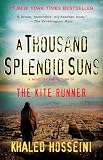
Recommended by Tim Ferriss, James Altucher, Emma Watson and 3 others
Begins by following two Afghan women whose lives intersect across decades of war, marriage, and shifting social order. The prose stays close to daily routines and private exchanges, so the strongest effect is an immersive, character-led account of endurance and an often-surprising friendship. Useful part: it makes long-term emotional consequences feel immediate. Limitation: stretches of relentless hardship pile up and some plot beats simplify moral ambiguity toward tidy resolutions. Best read when you want concentrated emotional fiction rather than light entertainment.

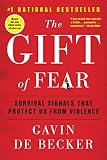
and Other Survival Signals that Protect Us From Violence
Recommended by Tim Ferriss, David Heinemeier Hansson, Nicholas C. Zakas and 4 others
Reading this feels like sitting through a series of real-world safety briefings: short, anecdote-driven chapters that foreground moments when gut feelings mattered. Main value is practical attention to warning signs and concrete examples of signals that precede violence; it trains a risk-aware frame more than technical methods. Main limitation is repetition and a heavy reliance on vivid anecdotes—readers wanting systematic checklists or hands-on drills may find it thin. Tone can feel urgent and occasionally prescriptive.

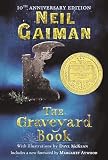
Recommended by Tim Ferriss, Soman Chainani, Zoe Keating and 3 others
Reading this moves like a chain of small, eerie vignettes: lively openings set up a boy raised in a graveyard and then the narrative alternates between short adventures and quieter, reflective passages. Its useful part is a strong, child-centered mood and highly readable chapters that suit aloud reading and younger audiences. The main limitation is an episodic structure that can feel fragmentary if you prefer sustained plotting or continuous suspense.

A Journey from Lost to Found
Recommended by Tim Ferriss, Emma Watson, Shane Parrish and 4 others
Wild is an intimate, voice-driven memoir that mixes detailed trail scenes with extended personal memory and reckoning. Its useful part is the candid, often lyrical account of walking 1,100 miles while working through recent bereavement and life rupture; those emotional passages hit hardest when paired with concrete moments on the trail. Main limitation: the narrative frequently detours into interior monologue and repetition, so readers wanting strict chronology, practical hiking info, or brisk pacing may find stretches slow or indulgent.
Recommended by Tim Ferriss, Bill Gates, Elon Musk and 4 others
Robert Heinlein's Hugo Awardwinning alltime masterpiece, the brilliant novel that grew from a cult favorite to a bestseller to a science fiction classic.Raised by Martians on Mars, Valentine Michael Smith is a human who has never seen another member of his species.

How Artists Work
Recommended by Tim Ferriss, Daniel Pink, David Kadavy and 2 others
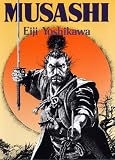
An Epic Novel of the Samurai Era
The classic samurai novel about the real exploits of the most famous swordsman. Miyamoto Musashi was the child of an era when Japan was emerging from decades of civil strife.
Violate Them at Your Own Risk!
Recommended by Tim Ferriss, Nat Eliason, Tim O’Reilly and 3 others
A New York Times BestsellerIn latest bestseller, Atul Gawande shows what the simple idea of the checklist reveals about the complexity of our lives and how we can deal with it.The modern world has given us stupendous knowhow.
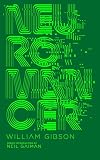
Sprawl, Book 1
Recommended by Tim Ferriss, Naval Ravikant, Adam Savage and 3 others
Neuromancer opens at high speed: terse sentences, noir atmosphere, and worldbuilding dropped as image-heavy fragments rather than spelled-out explanation. Its useful part is concentrated atmosphere — layered sensory detail and economical action that make cyberspace feel immediate without long exposition. Its main limitation is deliberate opacity: invented slang, abrupt scene cuts, and characters who often remain coolly distant can leave the plot feeling elliptical and some emotional moments thin. Best read focused and willing to re-read passages for payoff.
This Book Will Save Your Life
Recommended by Tim Ferriss, Nat Eliason, Derek Sivers and 1 other
Terrorist attacks. Natural disasters. Domestic crackdowns. Economic collapse. Riots. Wars. Disease. Starvation.What can you do when it all hits the fanYou can learn to be selfsufficient and survive without the system."I've started to look at the world through apocalypse eyes."…
Recommended by Tim Ferriss, Nat Eliason, David Cancel and 1 other
From the internationally bestselling author of The Reluctant Fundamentalist, the boldly imagined tale of a poor boy’s quest for wealth and love.His first two novels established Mohsin Hamid as a radically inventive storyteller with his finger on the world’s pulse.
A Workaholic's Cure for Anxiety
Recommended by Tim Ferriss, Tony Robbins and Chase Jarvis
Do you live in constant fear Do you worry that something terrible is about to happen Do you have trouble breathing, relaxing, and sleeping Do you think you’re losing control, and that you’re going to die Are you trapped in your own personal hell, and don’t know how to get out…

Recommended by Tim Ferriss, Daniel Pink, Stephen Dubner and 1 other
Described by Robert Lipsyte as 'the high point of American sports journalism', John McPhee's Levels of the Game, nominally about a tennis match between two of the greats of tennis history, redefined what it meant to be a sports writer.

Recommended by Tim Ferriss, Nat Eliason, Naval Ravikant and 3 others
The power and wealth which Seneca the Younger (c.4 B.C. A.D. 65) acquired as Nero's minister were in conflict with his Stoic beliefs. Nevertheless he was the outstanding figure of his age.

Recommended by Tim Ferriss, Soman Chainani, Jamie Grayson and 1 other
Opens as a vivid portal fantasy: a shy boy finds a book that pulls him into the imagined world of Fantastica, and the reading experience often feels like stepping inside a dream. Strengths are imaginative set pieces, lyrical description, and a bold metafictional premise that asks how stories shape identity. Main limitation is uneven pacing and frequent allegorical detours that can feel repetitive or heavy-handed; this is more mood-driven and episodic than a sprinting adventure.
The longawaited guide to writing longform nonfiction by the legendary author and teacherDraft No. 4 is a master class on the writer's craft.

Recommended by Tim Ferriss, Ran Segall, Terry Crews and 1 other
The book 'How to stop worrying & start living' suggest many ways to conquer worry and lead a wonderful life.The book mentions fundamental facts to know about worry and magic formula for solving worrysome situations.Psychologists & Doctors' view:Worry can make even the most…
Hedge Funds and the Making of a New Elite (Council on Foreign Relations Books (Penguin Press))
Recommended by Tim Ferriss, Arianna Simpson, Paul Graham and 1 other
"Splendid...the definitive history of the hedge fund, a compelling narrative full of largerthanlife characters and dramatic tales." The Washington Post Wealthy, powerful, and potentially dangerous, hedge fund moguls have become the It Boys of twenty-first century capitalism.
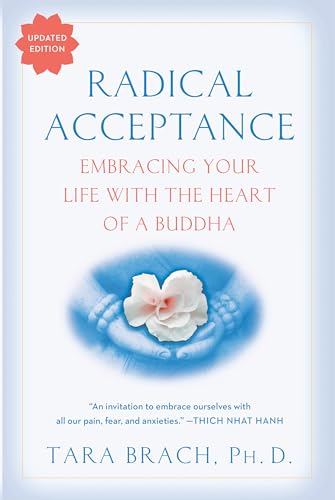
Embracing Your Life With the Heart of a Buddha
Recommended by Tim Ferriss, Frank Chimero, Darya Rose and 1 other
For many of us, feelings of deficiency are right around the corner. It doesnt take muchjust hearing of someone elses accomplishments, being criticized, getting into an argument, making a mistake at workto make us feel that we are not okay.

A Novel
Recommended by Tim Ferriss, Ryan Holiday, Nir Eyal and 1 other
Sixty years after its publication, Ray Bradbury's internationally acclaimed novel Fahrenheit 451 stands as a classic of world literature set in a bleak, dystopian future.
How I Learned to Stop Worrying and Let People Help
Recommended by Tim Ferriss, Amy Cuddy, Matthew Mercer and 1 other
Amanda Palmer writes in a confessional, theatrical voice that mixes stage anecdotes, crowdfunding lessons, and blunt reflections on asking for help. It reads conversationally and often like a series of spoken stories. The value lies in its frank, scene-driven examples of what it feels like to solicit support as an artist and the ethical tensions she wrestles with. Limitations: episodic structure repeats the same lessons, and self-reverent moments may feel indulgent; it’s light on concrete how-to steps or systematic advice for non-artists.

Recommended by Tim Ferriss, Rana el Kaliouby, Catherynne M. Valente and 1 other
John Crowley's Little, Big reads like a long, lyrical fairy tale folded into a family chronicle; its pleasure is in language, detail, and the slow blurring of ordinary life with uncanny edges. Scenes arrive as accumulative tableaux rather than tight plot turns, so what works best is mood and layered atmosphere rather than clear action. The main limitation is the book's fondness for digression and ornate sentences, which can stall momentum and frustrate readers who prefer fast plots. Best tackled in measured chunks so images have time to settle.
This Is How You Lose the Time War is a compact, lyrical epistolary novella pairing time‑travel spycraft with an enemies‑to‑lovers romance. It unfolds through stylized letters that prioritize voice, metaphor, and sensory detail over mechanical explanation. What works best is intense, intimate emotional writing and imaginative imagery; the main limitation is deliberately thin worldbuilding and an elliptical plot that leaves many questions unanswered. Best read slowly so the language lands—it's more mood‑piece than procedural sci‑fi.

Rediscovering America on the Appalachian Trail
God only knows what possessed Bill Bryson, a reluctant adventurer if ever there was one, to undertake a gruelling hike along the world's longest continuous footpath_x0097_The Appalachian Trail.The 2,000plusmile trail winds through 14 states, stretching along the east coast of…

American Gods unfolds as a myth-tinged road novel that pairs small-town Americana with surreal set pieces and episodic encounters. Its useful part is a parade of vivid, strange scenes and characters that force modern life and ancient belief into uneasy conversation, producing memorable imagery and sharp dialogue. Main limitation: pacing and tone wobble — midbook digressions slow momentum and several subplots feel underresolved or indulgent. Best taken in chunks by readers who like associative storytelling, atmosphere, and moral ambiguity rather than tight plotting.
Recommended Books Recommended by Tim Ferriss by Tim Ferriss
Tim Ferriss recommends 65 books on this list. See all book recommendations by Tim Ferriss
Recommended Books Recommended by Tim Ferriss by Nat Eliason
Nat Eliason recommends 21 books on this list. See all book recommendations by Nat Eliason
Recommended Books Recommended by Tim Ferriss by Naval Ravikant
Naval Ravikant recommends 14 books on this list. See all book recommendations by Naval Ravikant
Books Recommended by Tim Ferriss: common questions
- What are the most recommended books recommended by tim ferriss?
- The Hard Thing About Hard Things, Principles and Atomic Habits are the most recommended books recommended by tim ferriss on BookMentions, ranked by how many people recommended them.
- Who recommends books recommended by tim ferriss?
- Tim Ferriss, Nat Eliason, Naval Ravikant and Derek Sivers are among the people who recommend books on this list. Each name links to their full set of book recommendations.
- Which of these books recommended by tim ferriss should I read first?
- The Hard Thing About Hard Things is the most recommended here with 54 recommendations, which makes it the safest place to start.
Built from recommendation data, category signals, and source-backed book records. Use this list as a starting point; open any book to see proof, context, and Amazon options where available.
Explore more lists
Best Startup Books
79 booksThe startup books founders recommend most — lean methodology, venture funding, product-market fit and hiring. Plus the company histories worth reading before you repeat them.
Best Productivity Books
22 booksThe productivity books people actually finish and apply — focus, habits, time management and attention. Ranked by how many people recommended each title, with the source behind every pick.
Best Fiction Writing Books
20 booksFiction Writing books, including titles recommended by Tim Ferriss, Derek Sivers and Nat Eliason. Most recommended here: Bird by Bird, On Writing and On Writing Well.
Best Science Fiction Books
115 booksScience fiction recommended most by novelists, scientists and technologists — space opera, cyberpunk and hard SF. Plus the dystopias that aged into documentaries, each with its original source.
Best Time Management Books
55 booksTime Management books, including titles recommended by Derek Sivers, Tim Ferriss and Frank Chimero. Most recommended here: The Power of Habit, Essentialism and The 7 Habits of Highly Effective People.
Best Leadership Books
98 booksThe leadership books founders, executives and military officers recommend most — management, decision-making and organisational culture. Ranked by how many people recommended each title, not by publisher marketing.
About this list
This list aggregates books that appear in public recommendation sources, reader-interest signals, and category data. Books are ranked by their position from the source list; recommendation counts and ratings are shown where available. Open any book to see source-backed recommendation proof, editorial context, and Amazon options — the per-book detail page is where the trust signals live.
Recommended books by person: who recommends books recommended by tim ferriss
Books recommended by the people below. Open a profile to see everything they recommend, with the source behind each pick.
- Tim FerrissBooks recommended by Tim: 65

- Nat EliasonBooks recommended by Nat: 21
- Naval RavikantBooks recommended by Naval: 14

- Derek SiversBooks recommended by Derek: 10

- Ankur WarikooBooks recommended by Ankur: 7
- Ev WilliamsBooks recommended by Ev: 7

- Ran SegallBooks recommended by Ran: 7
- Austen AllredBooks recommended by Austen: 6
- Bill GatesBooks recommended by Bill: 6

- Daniel PinkBooks recommended by Daniel: 6
- Frank ChimeroBooks recommended by Frank: 6
- Matt MullenwegBooks recommended by Matt: 6