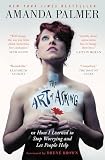
The Art of Asking
How I Learned to Stop Worrying and Let People Help
by Amanda Palmer
2 more
More Recommenders
“@captdaf @amandapalmer One of my favorite books, as well as one of my favorite artists. Dresden Dolls 4 life! | I was so inspired by the book that I put it down to start asking people around me for all of the help that I'd been too ashamed or embarrassed to ask for. | Some of my favorite books on human behavior. @danbharris @mkonnikova @navarrotells @cduhigg MIA: @AdamMGrant | ”A book I read relatively recently but wished I read when I was younger is The Art of Asking: How I learned to Stop Worrying and Let People Help by Amanda Palmer. I am horrible [...]” Aysha Teja (Senior Advisor/Ontario Treasury Board Secretariat) reco ...”
Source →“@captdaf @amandapalmer One of my favorite books, as well as one of my favorite artists. Dresden Dolls 4 life! | I was so inspired by the book that I put it down to start asking people around me for all of the help that I'd been too ashamed or embarrassed to ask for. | Some of my favorite books on human behavior. @danbharris @mkonnikova @navarrotells @cduhigg MIA: @AdamMGrant | ”A book I read relatively recently but wished I read when I was younger is The Art of Asking: How I learned to Stop Worrying and Let People Help by Amanda Palmer. I am horrible [...]” Aysha Teja (Senior Advisor/Ontario Treasury Board Secretariat) reco ...”
Source →Recommended by 4 notable people, including Tim Ferriss and Amy Cuddy
Check price on AmazonProof-backed recommendation
Amazon availability
Reading Profile
Should I read this?
Amanda Palmer writes in a confessional, theatrical voice that mixes stage anecdotes, crowdfunding lessons, and blunt reflections on asking for help. It reads conversationally and often like a series of spoken stories. The value lies in its frank, scene-driven examples of what it feels like to solicit support as an artist and the ethical tensions she wrestles with. Limitations: episodic structure repeats the same lessons, and self-reverent moments may feel indulgent; it’s light on concrete how-to steps or systematic advice for non-artists.
Read this if...
- •independent musician launching a crowdfunded album or tour who is writing campaign copy now and needs vivid, lived examples of how performers ask for help and how audiences respond — useful for shaping tone and ethics rather than marketing minutiae.
- •creative freelancer (illustrator, designer, solo performer) transitioning from favors to paid work who must start saying no or asking for fair rates; useful now because it offers candid language and moral rehearsal for awkward conversations, not billing templates.
- •community-arts organizer or small-venue producer assembling an informal appeal or benefit show who needs theatrical, story-based material to persuade local supporters; useful now if you must craft emotionally honest pitches on short notice rather than formal grant applications.
Skip this if...
- •you'll likely put it down when the same anecdote and moral keep getting restated — the middle sections can feel repetitive and self-justifying.
- •annoying if you prefer data-driven, step-by-step fundraising instructions or templates — the book lacks hands-on exercises or systematic checklists.
- •lose interest if you dislike performative confessions or occasional self-indulgence; chapters that read like onstage monologues can feel long if you prefer restrained prose.
Rock star, crowdfunding pioneer, and TED speaker Amanda Palmer knows all about asking. Performing as a living statue in a wedding dress, she wordlessly asked thousands of passersby for their dollars. When she became a singer, songwriter, and musician, she was not afraid to ask her audience to support her as she surfed the crowd (and slept on their ...
Before You Buy
Reading Specifications
Difficulty:easy
Audience Fit
- independent musician launching a crowdfunded album or tour who is writing campaign copy now and needs vivid, lived examples of how performers ask for help and how audiences respond — useful for shaping tone and ethics rather than marketing minutiae.
- creative freelancer (illustrator, designer, solo performer) transitioning from favors to paid work who must start saying no or asking for fair rates; useful now because it offers candid language and moral rehearsal for awkward conversations, not billing templates.
- community-arts organizer or small-venue producer assembling an informal appeal or benefit show who needs theatrical, story-based material to persuade local supporters; useful now if you must craft emotionally honest pitches on short notice rather than formal grant applications.
- you'll likely put it down when the same anecdote and moral keep getting restated — the middle sections can feel repetitive and self-justifying.
- annoying if you prefer data-driven, step-by-step fundraising instructions or templates — the book lacks hands-on exercises or systematic checklists.
- lose interest if you dislike performative confessions or occasional self-indulgence; chapters that read like onstage monologues can feel long if you prefer restrained prose.
Check formats, pricing, and availability options for Kindle, physical print, or audiobooks directly.
View available editions on AmazonKey themes
Why recommended
Recommended by 5 sources and appears in Confidence, Books Recommended by Tim Ferriss, and Most Recommended Books.
Recommended by notable people
People and public figures who have recommended this book.
Recommendation Signals
Recommendation proof is sourced from public posts, interviews, reading lists, and cited references.
Tim Ferriss
Author and podcaster
“@captdaf @amandapalmer One of my favorite books, as well as one of my favorite artists. Dresden Dolls 4 life! | I was so inspired by the book that I put it down to start asking people around me for all of the help that I'd been too ashamed or embarrassed to ask for. | Some of my favorite books on human behavior. @danbharris @mkonnikova @navarrotells @cduhigg MIA: @AdamMGrant | ”A book I read relatively recently but wished I read when I was younger is The Art of Asking: How I learned to Stop Worrying and Let People Help by Amanda Palmer. I am horrible [...]” Aysha Teja (Senior Advisor/Ontario Treasury Board Secretariat) reco ...”
View sources (4) ▾80%
Appears In
Not sure if this is the right fit?
Consider The Hard Thing About Hard Things by Ben Horowitz. Recommended by 60 sources.
“A blunt, conversational tour through the worst parts of building a company. Horowitz shares personal stories from his own startup failures and recoveries, offering practical wisdom on layoffs, pivots, CEO loneliness, and managing when times are bad. The value is in the honest, experience-based insight you won't get from business school. The limitation is its narrow focus on venture-backed tech startups—if you're not in that world, some advice may feel irrelevant. Reads like a wise mentor telling you what nobody else will.”
Similar books
The Hard Thing About Hard Things
Ben HorowitzA Guide to the Good Life
William B. Irvine
The Gift of Fear
Gavin de BeckerOn Writing
Stephen King
Delivering Happiness
Tony Hsieh
Moonwalking with Einstein
Joshua Foer
Me
Elton John
They Can't Kill Us Until They Kill Us
Hanif AbdurraqibHow recommendation signals are reviewed
Each recommendation is collected from a public source — interviews, articles, or curated lists — and linked to its original URL. Books with many verifiable recommendations from respected people rank higher.