BookMentionsBookMentions
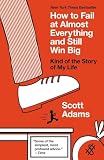
How to Fail at Almost Everything and Still Win Big
10 recommendations

How to Fail at Almost Everything and Still Win Big

Kind of the Story of My Life

by Scott Adams

Recommended by Naval Ravikant, Nat Eliason +
5 more

More Recommenders

Derek Sivers

Author; founder of CD Baby

@ApgDiscovery @ScottAdamsSays Yeah, definitely a great book. Plus "Win Bigly" to master the art of persuasion. | I'm starting to think this is the most influential book in the world How to Fail at Almost Everything and Still Win Big: Kind of the Story of My L... via @amazon | If we’re all staying indoors for the next few weeks, this is a good time for book recommendations. Tag an author and recommend one of their books. I’ll start: Author: @ScottAdamsSays Book: How to Fail at Almost Everything and Still Win Big | Random assortment of life tips/hacks from the creator of Dilbert. Interesting common thread of making your life a system for increasing your odds at success. But I liked the random tips, too. | The “moist robot” term comes from @ScottAdamsSays and his wonderful book “How to Fail at Almost Everything and Still Win Big” although he argues that, in fact, we are.

Source →
J

@ApgDiscovery @ScottAdamsSays Yeah, definitely a great book. Plus "Win Bigly" to master the art of persuasion. | I'm starting to think this is the most influential book in the world How to Fail at Almost Everything and Still Win Big: Kind of the Story of My L... via @amazon | If we’re all staying indoors for the next few weeks, this is a good time for book recommendations. Tag an author and recommend one of their books. I’ll start: Author: @ScottAdamsSays Book: How to Fail at Almost Everything and Still Win Big | Random assortment of life tips/hacks from the creator of Dilbert. Interesting common thread of making your life a system for increasing your odds at success. But I liked the random tips, too. | The “moist robot” term comes from @ScottAdamsSays and his wonderful book “How to Fail at Almost Everything and Still Win Big” although he argues that, in fact, we are.

Source →
T

@ApgDiscovery @ScottAdamsSays Yeah, definitely a great book. Plus "Win Bigly" to master the art of persuasion. | I'm starting to think this is the most influential book in the world How to Fail at Almost Everything and Still Win Big: Kind of the Story of My L... via @amazon | If we’re all staying indoors for the next few weeks, this is a good time for book recommendations. Tag an author and recommend one of their books. I’ll start: Author: @ScottAdamsSays Book: How to Fail at Almost Everything and Still Win Big | Random assortment of life tips/hacks from the creator of Dilbert. Interesting common thread of making your life a system for increasing your odds at success. But I liked the random tips, too. | The “moist robot” term comes from @ScottAdamsSays and his wonderful book “How to Fail at Almost Everything and Still Win Big” although he argues that, in fact, we are.

Source →
S

@ApgDiscovery @ScottAdamsSays Yeah, definitely a great book. Plus "Win Bigly" to master the art of persuasion. | I'm starting to think this is the most influential book in the world How to Fail at Almost Everything and Still Win Big: Kind of the Story of My L... via @amazon | If we’re all staying indoors for the next few weeks, this is a good time for book recommendations. Tag an author and recommend one of their books. I’ll start: Author: @ScottAdamsSays Book: How to Fail at Almost Everything and Still Win Big | Random assortment of life tips/hacks from the creator of Dilbert. Interesting common thread of making your life a system for increasing your odds at success. But I liked the random tips, too. | The “moist robot” term comes from @ScottAdamsSays and his wonderful book “How to Fail at Almost Everything and Still Win Big” although he argues that, in fact, we are.

Source →
M

@ApgDiscovery @ScottAdamsSays Yeah, definitely a great book. Plus "Win Bigly" to master the art of persuasion. | I'm starting to think this is the most influential book in the world How to Fail at Almost Everything and Still Win Big: Kind of the Story of My L... via @amazon | If we’re all staying indoors for the next few weeks, this is a good time for book recommendations. Tag an author and recommend one of their books. I’ll start: Author: @ScottAdamsSays Book: How to Fail at Almost Everything and Still Win Big | Random assortment of life tips/hacks from the creator of Dilbert. Interesting common thread of making your life a system for increasing your odds at success. But I liked the random tips, too. | The “moist robot” term comes from @ScottAdamsSays and his wonderful book “How to Fail at Almost Everything and Still Win Big” although he argues that, in fact, we are.

Source →

Recommended by 7 notable people, including Naval Ravikant and Nat Eliason

Check price on Amazon

Proof-backed recommendation

Amazon availability

Reading Profile

Difficulty:easy
Themes:systems vs goalsskill-stacking vs specialization

Should I read this?

Scott Adams blends memoir, workplace humor, and blunt self-help into short, punchy chapters that push simple career and productivity rules. The most useful material is pragmatic: a preference for systems over one-off goals, combining complementary skills, and managing energy so work fits a schedule you can sustain. Limits show up as confident, anecdote-heavy claims and a swaggering tone that sometimes repeats the same points. Best used selectively: skim for tactics that feel practical and ignore the rest rather than accept everything wholesale.

Read this if...

  • A mid-level product manager at a growth-stage company who feels stalled on promotions and needs quick, testable routines to regain leverage — offers short habits and a systems-minded approach to try immediately.
  • A freelance creative (writer, designer, cartoonist) launching a paid side project who wants low-friction ways to mix complementary skills — provides blunt heuristics and motivational anecdotes useful for experimenting with output and income.
  • A founder or small-business owner juggling launches and marketing who needs blunt prioritization and energy-management rules to cut decision friction — handy for grabbing short tactics to test between meetings.

Skip this if...

  • You'll likely put it down when the same few ideas are restated with different anecdotes and confident assertions; midbook repetition is a common drop-off point.
  • Annoying if you prefer careful, tightly argued guidance — the book favors bold assertions and personal stories over slow, cautious reasoning.
  • If you want step-by-step programs or guided templates, it lacks hands-on exercises and detailed implementation plans; expect examples and routines, not worksheet-style how-tos.

Scott Adams has likely failed at more things than anyone you?ve ever met or anyone you?ve even heard of. So how did he go from hapless office worker and serial failure to the creator of Dilbert, one of the world?s most famous syndicated comic strips, in just a few years In How to Fail at Almost Everything and Still Win Big, Adams shares the strate...

Before You Buy

Reading Specifications

Difficulty:easy

Themes:
systems vs goalsskill-stacking vs specializationenergy management vs willpower

Audience Fit

Recommended for:
  • A mid-level product manager at a growth-stage company who feels stalled on promotions and needs quick, testable routines to regain leverage — offers short habits and a systems-minded approach to try immediately.
  • A freelance creative (writer, designer, cartoonist) launching a paid side project who wants low-friction ways to mix complementary skills — provides blunt heuristics and motivational anecdotes useful for experimenting with output and income.
  • A founder or small-business owner juggling launches and marketing who needs blunt prioritization and energy-management rules to cut decision friction — handy for grabbing short tactics to test between meetings.
Not ideal if you want:
  • You'll likely put it down when the same few ideas are restated with different anecdotes and confident assertions; midbook repetition is a common drop-off point.
  • Annoying if you prefer careful, tightly argued guidance — the book favors bold assertions and personal stories over slow, cautious reasoning.
  • If you want step-by-step programs or guided templates, it lacks hands-on exercises and detailed implementation plans; expect examples and routines, not worksheet-style how-tos.

Check formats, pricing, and availability options for Kindle, physical print, or audiobooks directly.

View available editions on Amazon

Key themes

systems vs goalsskill-stacking vs specializationenergy management vs willpoweranecdote vs rigorconfidence vs humility

Why recommended

Recommended by 10 sources and appears in Engineering, Persuasion, and Personal Development.

Recommended by notable people

People and public figures who have recommended this book.

Recommendation Signals

Recommendation proof is sourced from public posts, interviews, reading lists, and cited references.

M

Matthew Kobach

@ApgDiscovery @ScottAdamsSays Yeah, definitely a great book. Plus "Win Bigly" to master the art of persuasion. | I'm starting to think this is the most influential book in the world How to Fail at Almost Everything and Still Win Big: Kind of the Story of My L... via @amazon | If we’re all staying indoors for the next few weeks, this is a good time for book recommendations. Tag an author and recommend one of their books. I’ll start: Author: @ScottAdamsSays Book: How to Fail at Almost Everything and Still Win Big | Random assortment of life tips/hacks from the creator of Dilbert. Interesting common thread of making your life a system for increasing your odds at success. But I liked the random tips, too. | The “moist robot” term comes from @ScottAdamsSays and his wonderful book “How to Fail at Almost Everything and Still Win Big” although he argues that, in fact, we are.
View sources (5) ▾80%

Appears In

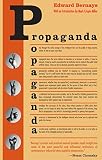
Propaganda
Try This Instead

Not sure if this is the right fit?

Consider Propaganda by Edward Bernays. Recommended by 7 sources.

Bernays writes in a brisk, programmatic voice that reads like a practitioner's manual: short case sketches, tactical prescriptions, and candid justifications for shaping mass opinion. The most useful section maps concrete techniques and the rhetoric used to normalize coordinated publicity, which is handy for historical comparison or classroom debate. The main limits are tone and dated examples: managerial certainty leaves little ethical pushback and some passages feel uncomfortably directive. No exercises or modern scientific framing are provided; better read slowly with a critical pen.

Similar books

How recommendation signals are reviewed

Each recommendation is collected from a public source — interviews, articles, or curated lists — and linked to its original URL. Books with many verifiable recommendations from respected people rank higher.

How to Fail at Almost Everything and Still Win Big

How to Fail at Almost Everything and Still Win Big

View on Amazon →