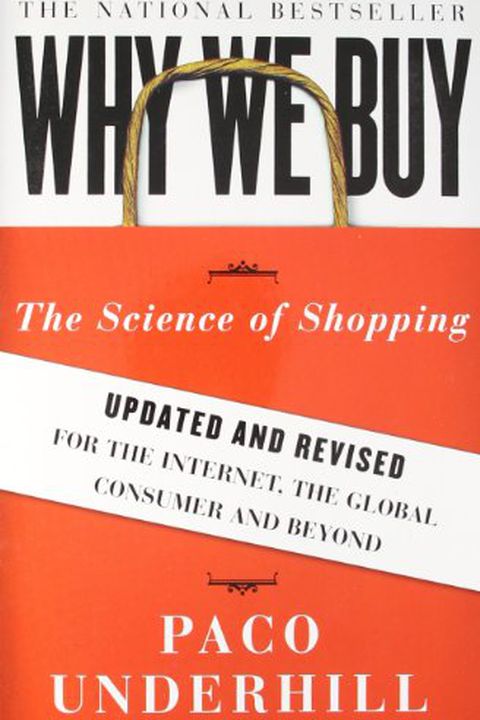
The Science of ShoppingUpdated and Revised for the Internet, the Global Consumer, and Beyond
by Paco Underhill
Recommended by Patrick Chovanec
Check price on AmazonProof-backed recommendation
Amazon availability
Why We Buy reads like a series of field reports from shop floors: lively observational episodes that point to how layout, signage, and product placement shape shopper actions. The most useful material is the set of concrete, easy-to-test suggestions for store layout and merchandising that non-specialists can try without complex analysis. Limits include frequent anecdote repetition and few deep statistical breakdowns, so readers seeking formal theory or an online-retail manual may feel shortchanged. It feels like practical, journalist-style retail intelligence rather than a technical handbook.
This summary and audience guidance are AI-generated from the book's description and its recommendation history, last updated May 2026. Recommendations, quotes and sources elsewhere on this page come from published material and are not generated.
Is there a method to our madness when it comes to shopping Hailed by the San Francisco Chronicle as "a Sherlock Holmes for retailers," author and research company CEO Paco Underhill answers with a definitive "yes" in this witty, eyeopening report on our everevolving consumer culture. Why We Buy is based on hard data gleaned from thousands of hou...
Difficulty:easy
Check formats, pricing, and availability options for Kindle, physical print, or audiobooks directly.
View available editions on AmazonWhy recommended
Recommended by 1 source and appears in Psychology, Business, and Social Sciences.
People and public figures who have recommended this book.
Recommendation proof is sourced from public posts, interviews, reading lists, and cited references.
Patrick Chovanec
American economist
“Many of the better designed ones do. There’s a whole book about this kind of stuff called “Why We Buy: The Science of Shopping” and I highly recommend it.”
Check formats, pricing, and availability options directly on Amazon.
Consider The Boy, the Mole, the Fox and the Horse by Charlie Mackesy. Recommended by 8 sources.
“Soft-spoken, heavily illustrated fable built from short dialogues and watercolor sketches. Each spread pairs a spare line of text with a loose drawing, so the pleasure is visual and aphoristic rather than narrative; readers collect felt-true sentences more than plot. Most useful when you want quick consolations, a prompt for conversation with a child, or a pause during a rough day. Limiting if you want sustained argument, concrete advice, or tightly plotted storytelling: the repetition of gentleness can feel sentimental or thin after a while.”
Each recommendation is collected from a public source — interviews, articles, or curated lists — and linked to its original URL. Books with many verifiable recommendations from respected people rank higher.