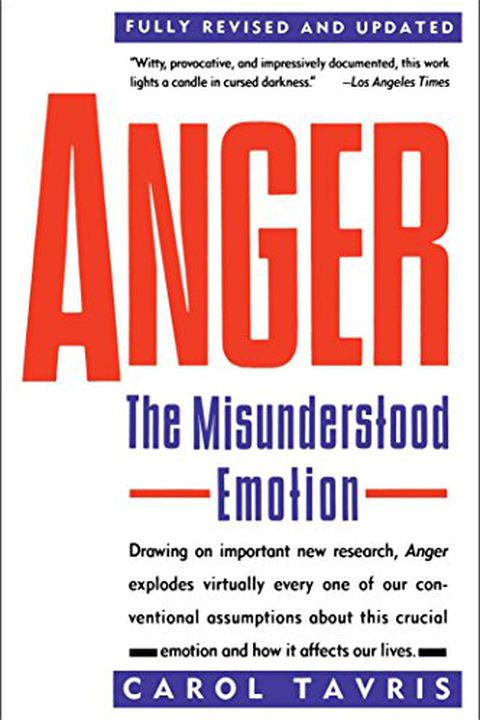
by Daniel Kahneman


More Recommenders
Author; founder of CD Baby

Co-founder of Andreessen Horowitz
44th President of the United States


Author, essayist, mathematical statistician, and risk analyst

CEO of OpenAI
American entrepreneur, investor
Recommended by 12 notable people, including Bill Gates and Naval Ravikant
Check price on AmazonRecommended by public sources
Amazon availability
See customer reviews on Amazon →This book walks you through two mental systems—one fast and intuitive, the other slow and analytical—using a cascade of clever experiments that reveal how easily we're fooled. The value lies in naming and demonstrating dozens of cognitive biases that affect decisions from shopping to investing. it reads as dense, rich, and often fascinating, but the parade of similar studies can feel repetitive, and the lack of practical shortcuts may frustrate readers wanting quick fixes. Some later research has questioned a few findings, which can gnaw at your trust as you go.
This summary and audience guidance are AI-generated from the book's description and its recommendation history, last updated May 2026. Recommendations, quotes and sources elsewhere on this page come from published material and are not generated.
NEW YORK TIMES BESTSELLER Two systems drive the way we think and make choices, Daniel Kahneman explains: System One is fast, intuitive, and emotional; System Two is slower, more deliberative, and more logical. Examining how both systems function within the mind, Kahneman exposes the extraordinary capabilities as well as the biases of fast thinking and the pervasive influence of intuitive impressions on our thoughts and our choices. Engaging the reader in a lively conversation about how we think, he shows where we can trust our intuitions and how we can tap into the benefits of slow thinking, contrasting the two-system view of the mind with the standard model of the rational economic agent.…
Difficulty:hard
Length:40 pages (Short)
Check formats, pricing, and availability options for Kindle, physical print, or audiobooks directly.
View available editions on AmazonWhy recommended
Recommended by 62 sources and appears in Psychology, Design, and Books Recommended by Bill Gates.
People and public figures who have recommended this book.
Recommendation proof is sourced from public posts, interviews, reading lists, and cited references.
Check formats, pricing, and availability options directly on Amazon.
Psychology
Topic58 books
Design
Topic96 books
Books Recommended by Bill Gates
Category75 books
Books Recommended by Billionaires
Category75 books
Books Recommended by Founders
Category75 books
Books Recommended by Investors
Category75 books
Books Recommended by CEOs
Category75 books
Books Recommended by Naval Ravikant
Category75 books
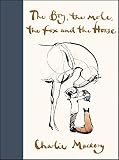
Consider The Boy, the Mole, the Fox and the Horse by Charlie Mackesy. Recommended by 8 sources.
“Soft-spoken, heavily illustrated fable built from short dialogues and watercolor sketches. Each spread pairs a spare line of text with a loose drawing, so the pleasure is visual and aphoristic rather than narrative; readers collect felt-true sentences more than plot. Most useful when you want quick consolations, a prompt for conversation with a child, or a pause during a rough day. Limiting if you want sustained argument, concrete advice, or tightly plotted storytelling: the repetition of gentleness can feel sentimental or thin after a while.”
Each recommendation is collected from a public source — interviews, articles, or curated lists — and linked to its original URL. Books with many verifiable recommendations from respected people rank higher.