Taming a Powerful Emotion
by Gary Chapman
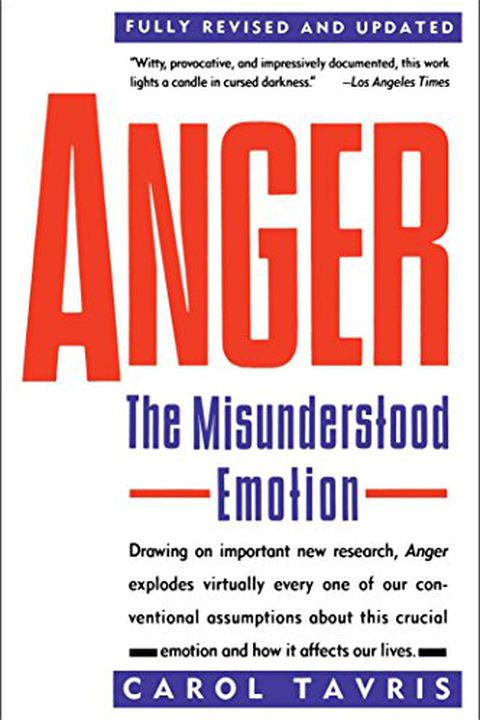
Warm, plainspoken, and practical in tone, Anger lays out everyday signs and simple conversational moves to curb quick tempers and repair strained relationships. Its useful part is accessible language and concrete communication scripts that non-specialists can try immediately. Limitations: it leans on anecdotes and straightforward admonitions rather than clinical nuance, and readers seeking step-by-step behavioral programs or deep psychological theory will be left wanting. Best read as a primer and conversation-starter, not as an exhaustive treatment.
This summary and audience guidance are AI-generated from the book's description and its recommendation history, last updated May 2026. Recommendations, quotes and sources elsewhere on this page come from published material and are not generated.
Help for anger management ? from NYT bestselling author Gary ChapmanAnger is a cruel master. If you struggle even a little with anger, you know how it feels to get mad too easily. To lash out at someone you love. To hold onto frustration. You might even notice others seem uneasy around you.You know anger is hurting your life, but you don?t know how...
Difficulty:hard
Check formats, pricing, and availability options for Kindle, physical print, or audiobooks directly.
View available editions on AmazonWhy recommended
appears in Psychology, Personal Development, and Social Sciences.
Recommendation proof is sourced from public posts, interviews, reading lists, and cited references.
No verified recommendation proof available yet.
Check formats, pricing, and availability options directly on Amazon.
Consider The Boy, the Mole, the Fox and the Horse by Charlie Mackesy. Recommended by 8 sources.
“Soft-spoken, heavily illustrated fable built from short dialogues and watercolor sketches. Each spread pairs a spare line of text with a loose drawing, so the pleasure is visual and aphoristic rather than narrative; readers collect felt-true sentences more than plot. Most useful when you want quick consolations, a prompt for conversation with a child, or a pause during a rough day. Limiting if you want sustained argument, concrete advice, or tightly plotted storytelling: the repetition of gentleness can feel sentimental or thin after a while.”

Each recommendation is collected from a public source — interviews, articles, or curated lists — and linked to its original URL. Books with many verifiable recommendations from respected people rank higher.