by Viktor E. Frankl
More Recommenders


Author; founder of CD Baby
Designer and writer
Recommended by 12 notable people, including Naval Ravikant and Nat Eliason
Check price on AmazonRecommended by public sources
Amazon availability
See customer reviews on Amazon →Psychiatrist Viktor Frankl recounts his survival in Nazi death camps, weaving together brutal details and insights about finding meaning in suffering. The first half is a gripping, horrifying memoir; the second half shifts to a philosophical framework he calls logotherapy. The book’s core appeal is its raw demonstration that even in hell, a sense of purpose can keep you alive. Some readers find the shift jarring and the later sections abstract. The ideas resonate best if you accept the spiritual overtones and personal anecdotes over a more analytical approach.
This summary and audience guidance are AI-generated from the book's description and its recommendation history, last updated May 2026. Recommendations, quotes and sources elsewhere on this page come from published material and are not generated.
Psychiatrist Viktor Frankl's memoir has riveted generations of readers with its descriptions of life in Nazi death camps and its lessons for spiritual survival. Between 1942 and 1945 Frankl labored in four different camps, including Auschwitz, while his parents, brother, and pregnant wife perished. Based on his own experience and the experiences of others he treated later in his practice, Frankl argues that we cannot avoid suffering but we can choose how to cope with it, find meaning in it, and move forward with renewed purpose. Frankl's theory-known as logotherapy, from the Greek word logos ("meaning")-holds that our primary drive in life is not pleasure, as Freud maintained, but the…
Difficulty:medium
Length:140 pages (Short)
Check formats, pricing, and availability options for Kindle, physical print, or audiobooks directly.
View available editions on AmazonWhy recommended
Recommended by 100 sources and appears in Philosophy, Best Leadership Books, and Memoirs.
People and public figures who have recommended this book.
Recommendation proof is sourced from public posts, interviews, reading lists, and cited references.
Check formats, pricing, and availability options directly on Amazon.
Philosophy
Topic71 books
Best Leadership Books
Topic98 books
Memoirs
Category71 books
Books Recommended by Founders
Category75 books
Books Recommended by Investors
Category75 books
Books Recommended by CEOs
Category75 books
Books Recommended by Writers
Category75 books
Books Recommended by Ryan Holiday
Category75 books
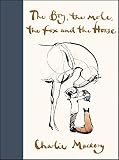
Consider The Boy, the Mole, the Fox and the Horse by Charlie Mackesy. Recommended by 8 sources.
“Soft-spoken, heavily illustrated fable built from short dialogues and watercolor sketches. Each spread pairs a spare line of text with a loose drawing, so the pleasure is visual and aphoristic rather than narrative; readers collect felt-true sentences more than plot. Most useful when you want quick consolations, a prompt for conversation with a child, or a pause during a rough day. Limiting if you want sustained argument, concrete advice, or tightly plotted storytelling: the repetition of gentleness can feel sentimental or thin after a while.”
Each recommendation is collected from a public source — interviews, articles, or curated lists — and linked to its original URL. Books with many verifiable recommendations from respected people rank higher.