
Best Architecture Books
Category100 of 114 books44 recommendations totalArchitecture books recommended most by architects, planners and designers — building theory, architectural history and iconic structures. Plus the writing on how space shapes the people inside it.
Where to start: Architecture Books recommended most often
Recommended books, ranked by how many of the 29 people behind this list recommended each one.
- 1A Pattern Language9 recommendations · recommended by Liz Lambert, Sam Altman and Patrick Collison
- 2How Buildings Learn8 recommendations · recommended by Daniel Burka, Patrick Collison and Grady Booch
- 3The Death and Life of Great American Cities7 recommendations · recommended by Daniel Burka, Sam Altman and Ramit Sethi
- 4The Timeless Way of Building4 recommendations · recommended by Daniel Burka, Liz Lambert and Tobi Lutke
- 5Happy City3 recommendations · recommended by Peter Adeney, Mr. Money Mustache and Money Mustache

Towns, Buildings, Construction (Center for Environmental Structure Series)
Recommended by Liz Lambert, Sam Altman, Patrick Collison and 4 others

What Happens After They're Built
Recommended by Daniel Burka, Patrick Collison, Grady Booch and 4 others
Buildings have often been studied whole in space, but never before have they been studied whole in time. How Buildings Learn is a masterful new synthesis that proposes that buildings adapt best when constantly refined and reshaped by their occupants, and that architects can…

Recommended by Daniel Burka, Sam Altman, Ramit Sethi and 3 others
A direct and fundamentally optimistic indictment of the shortsightedness and intellectual arrogance that has characterized much of urban planning in this century, The Death and Life of Great American Cities has, since its first publication in 1961, become the standard against…
Recommended by Daniel Burka, Liz Lambert and Tobi Lutke
Transforming Our Lives Through Urban Design
Recommended by Peter Adeney, Mr. Money Mustache and Money Mustache
A globetrotting, eyeopening exploration of how cities can—and do—make us happier peopleCharles Montgomery's Happy City is revolutionizing the way we think about urban life. After decades of unchecked sprawl, more people than ever are moving back to the city.
A Social and Architectural History
Recommended by Paul Graham
The English country house has flourished over the centuries because of its ability to adapt to the changes in English society. This book is an account of the ways in which the upperclass life style were reflected in the houses in which the wealthy and powerful lived.

"Reduce, reuse, recycle," urge environmentalists; in other words, do more with less in order to minimize damage. But as architect William McDonough and chemist Michael Braungart point out in this provocative, visionary book, such an approach only perpetuates the oneway, "cradle…

In a book that Business Insider noted as one of the "14 Books that inspired Elon Musk," J.E. Gordon strips engineering of its confusing technical terms, communicating its founding principles in accessible, witty prose.For anyone who has ever wondered why suspension bridges don't…

How a Renaissance Genius Reinvented Architecture,
Recommended by Raychelle Burks
Ross King's account reads like a slow-burning engineering detective story set in Renaissance Florence: lively portraits, bureaucratic rivalries, and step-by-step solutions to the dome's knotty problems. What works best is making technical ingenuity readable without equations, showing how tools, craftspeople, and political pressure shaped an audacious building project. The book's limitation is its appetite for construction minutiae and repeated procedural set-pieces; readers who want brisk synthesis or short chapters may find the pace plodding. Not a how-to manual—no hands-on exercises or diagrams.
The strange saga of American Architecture, in the twentieth century makes for both high comedy and intellectual excitement as Wolfe debunks the European gods of modern and postmodern Architecture, and their American counterparts.

In 1980, William H. Whyte published the findings from his revolutionary Street Life Project in The Social Life of Small Urban Spaces.

How Downtown Can Save America, One Step at a Time
Recommended by Ramit Sethi
Jeff Speck has dedicated his career to determining what makes cities thrive. And he has boiled it down to one key factor: walkability. The very idea of a modern metropolis evokes visions of bustling sidewalks, vital mass transit, and a vibrant, pedestrianfriendly urban core.
Show 85 more books with a single recommendation
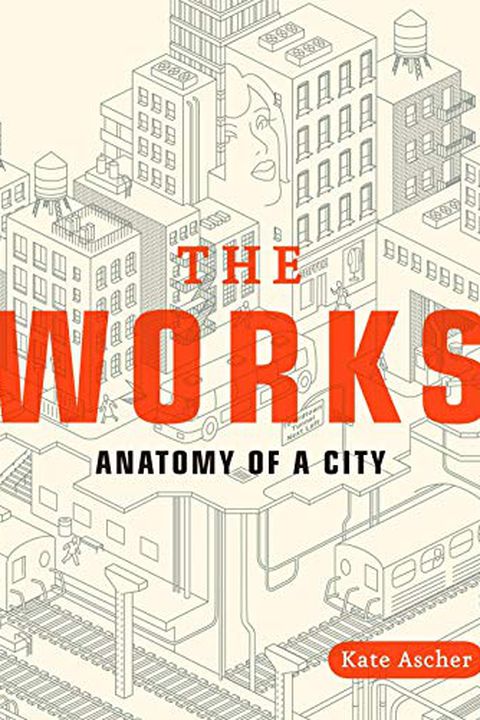
The Works: Anatomy of a City by Kate Ascher reads like a high-curiosity tour through the invisible infrastructure that keeps New York running. Its useful part is tracing cause-and-effect from daily actions (lights, toilets, trash) to large, interlocking systems, making the city feel legible. The limitation is that the book can drift into dense, specialized detail with more explanation than story momentum. If you prefer fast, character-driven chapters, you may find sections slow or repetitive in how they return to the same “systems in, systems out” pattern.
An essay on aesthetics by the Japanese novelist, this book explores Architecture,, jade, food, and even toilets, combining an acute sense of the use of space in buildings.

Los Angeles and the Imagination of Disaster
"Graced with a bold political and environmental vision, much splendid phrasemaking and a multitude of facts. . . . A truly eccentric contribution."The New York Times Book Review Earthquakes. Wildfires. Floods. Drought. Tornadoes.
Materials and Methods
Now in its Fourth Edition, Fundamentals of Building Construction is an essential textbook that has been used by thousands of students annually in schools of Architecture,, engineering, and construction Technology,.

This book is a critical reappraisal of contemporary theories of urban planning and design and of the role of the architectplanner in an urban context.
The present volume offers eloquent testimony that many of the master builders of this century have held passionate convictions regarding the philosophic and social basis of their art.
One of the great but often unmentioned causes of both happiness and misery is the quality of our environment: the kinds of walls, chairs, buildings and streets that surround us.And yet a concern for Architecture, and design is too often described as frivolous, even…
Authored by The American Institute of Architects (AIA), this guide is the updated Architecture, profession's standard on practice issues.
Architectural detailing is what makes a design unique, and an architect outstanding. Detail in Contemporary Timber Architecture, provides analysis of both the technical and the aesthetic importance of details in modern timber Architecture,.
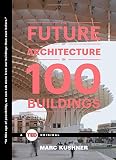
An Infographic Look at Architecture,
This informative and engaging book uses a variety of inventive infographics to take an unusual look at Architecture, in a way that would not be possible with words and images alone.
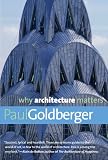
Why Architecture, Matters is not a work of architectural history or a guide to the styles or an architectural dictionary, though it contains elements of all three.
Fundamental Design Solutions for SOAP/WSDL and RESTful Web Services
Web services have been used for many years. In this time, developers and architects have encountered a number of recurring design challenges related to their usage, and have learned that certain service design approaches work better than others to solve certain problems.
Architects must be proficient in a variety of business practices to contribute to, manage, or launch a successful firm. They are responsible for the same kind of legal, financial, marketing, management, and administrative activities as any other professional.
"It has been a while since I devoured a book on Architecture, with as much pleasure. I love a good section and I love this book."?Aaron Betsky, Architect MagazineAwardwinning architects Paul Lewis, Marc Tsurumaki, and David J. Lewis's essential guide to section.
A Guide to Concrete Architecture, from the Fifties to the Seventies
Toronto is a concrete city. From international landmarks to civic buildings to cultural institutions to metropolitan infrastructure and the singlefamily home, reminders of the era of 'brutalist' Architecture, surround Torontonians.

Systematically structured and prepared with the student in mind, the book conveys in one volume the necessary basic technical building construction knowledge to enable readers to implement a wide range of designs.
An indispensable tool for the beginning stages of designing and planning a building projectThis new edition of a classic, bestselling text provides, in one concise volume, the essential information needed to form the framework for the more detailed design and development of any…
Historic & Modern Architecture, Combined
The New Old House presents 18 private historic homes, from North America to Europe, and traces the ingenious ways architects have revitalized and refreshed them for a new generation.
The 'Architect's Bible' since 1932, updated with the latest codes and standards "Architectural Graphic Standards" is the written authority for architects, designers, and building contractors.

Midcentury Architecture, and Community on the Outer Cape
In the summer of 1937, Walter Gropius, founder of the Bauhaus and a professor at Harvard's new Graduate School of Design, rented a house on Planting Island, near the base of Cape Cod.
Architecture, and the Senses
First published in 1996, The Eyes of the Skin has become a classic of architectural theory. It asks the farreaching question why, when there are five senses, has one single sense sight become so predominant in architectural culture and design With the ascendancy of the digital…
The 20th edition of Sir Banister Fletcher's A History of Architecture, is the first major work of history to include an overview of the architectural achievements of the 20th Century.
Conversations with Students
The newest volume in our popular Conversations series features Japanese architect Tadao Ando. One of the most celebrated living architects, Ando is best known for crafting serenely austere structures that fuse Japanese building traditions with Western modernism.
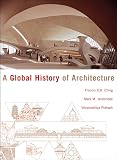
From ancient Chinese civilization to the postmodern world Organized along a global timeline, A Global History of Architecture, presents an innovative approach to the study of architectural history. Spanning from 3,500 B.C.E.

From the Pyramids to the Sydney Opera House and Beyond
Aspiring architects will be in their element! Explore this illustrated narrative history of buildings for young readers, an amazing construction in itself.We spend most of our lives in buildings. We make our homes in them. We go to school in them. We work in them.
Inspiration for Your Quiet Place Somewhere
Rural escapes for those yearning for a simpler existence, by the creators of the wildly popular tumblr Cabin Porn.Created by a group of friends who preserve 55 acres of hidden forest in Upstate New YorkCabin Porn began as a scrapbook to collect inspiration for their building…
The Definitive Guide to Identifying and Understanding America's Domestic Architecture,
Now in paperback: the fully expanded, updated, and freshly designed second edition of the most comprehensive and widely acclaimed guide to domestic Architecture,: in print since its original publication in 1984, and acknowledged everywhere as the unmatched, essential guide to…
Hailed as "extraordinarily learned" (New York Times), "blithe in spirit and unerring in vision," (New York Magazine), and the "definitive record of New York's architectural heritage" (Municipal Art Society), Norval White and Elliot Willensky's book is an essential reference for…

The Houses
Frank Lloyd Wright is not only synonymous with Architecture,, his name is also synonymous with the American house in the twentieth century. In particular, his residential work has been the subject of continuing interest and controversy.
Form, Space, & Order
THE CLASSIC ARCHITECTURAL REFERENCE, UPDATED WITH CONTEMPORARY EXAMPLES AND INTERACTIVE RESOURCESFor more than forty years, the beautifully illustrated Architecture,: Form, Space, and Order has served as the classic introduction to the basic vocabulary of architectural design.
The goal of this widely used book is to present in a highly illustrated format the principles of design for good hearing and freedom from noise in and around buildings. The more than 540 illustrations are not merely supplements to the text as with nearly all traditional books.
A professional architect presents an update to the classic manual on residential and light construction techniques and includes increased coverage of environmentally friendly materialsplus the latest data on concrete, steel and glazing Technology,, energy efficiency in…
An Encyclopedia of Domestic Architectural Detail
Praise for previous editions: One of the most borrowed books in our library. This Old house A dizzying amount of detailed pictorial information ... clearly and fascinatingly captioned.
The Early Period (18931909) (Dover Architecture,)
"I would much rather build than write about building, but when I am not building, I will write about building ? or the significance of those buildings I have already built." ?
A Story of Roman Planning and Construction
Text and black and white illustrations show how the Romans planned and constructed their cities for the people who lived within them.
A former UN worker and prominent architect, Johan van Lengen has seen firsthand the desperate need for a "greener" approach to housing in impoverished tropical climates.

The Architect's Activity Book
This innovative book is the first to provide a fun, interactive way to learn about Architecture,. Filled with an array of beautiful and elegant drawings, it poses all manner of architectural challenges for the user: from designing your own skyscraper, to drawing an island house…

International Paperback Edition, Same as per description, Economy edition, May have been Printed in Asia with restrictions on cover like not for sale outside asia etc, Legal to use as per US Courts.
This book defines over 5,000 terms relating to architectural design, history, and Technology,. It is the only dictionary that provides concise, accurate definitions illustrated with finely detailed, handrendered drawings, each executed in Mr. Ching's signature style.
In order to design a building with a sensuous connection to life, one must think in a way that goes far beyond form and construction.
A Retroactive Manifesto for Manhattan
Since its original publication in 1978, Delirious New York has attained mythic status. Back in print in a newly designed edition, this influential cultural, architectural, and social history of New York is even more popular, selling out its first printing on publication.
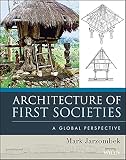
A Global Perspective
Starts as a wide-angle tour of human-built environments from early settlements to pre-Columbian societies, mixing architectural description with cultural context. Most useful as a comparative primer: it stitches regional case studies into a single narrative so readers can trace recurring forms and functions across time and place. Limitation: prose leans academic and occasionally pauses for granular archaeological or typological detail, which slows momentum for readers seeking a lively travelogue or abundant visual plates.
Balmond is making the transition from structural engineer working alongside other architects to an architect in his own right.
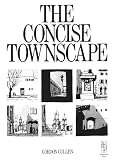
Concise Townscape reads like a brisk illustrated field guide to how streets, corners and façades make towns feel ordered. Its strength is a concentrated set of visual observations and compositional tactics—sequences of views, framing, and human scale—that sharpen how you look at urban space and help you sketch quick improvements. Main limitation: the emphasis on perceptual rules and evocative sketches leaves little by way of modern technical metrics, regulatory detail or implementation checklists.
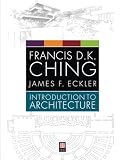
A survey of the built environment distills the work of legendary author and illustrator Francis D. K. Ching into a single volume Introduction to Architecture, presents the essential texts and drawings of Francis D. K. Ching for those new to Architecture, and design.
Read by millions since its launch in 2004, BLDGBLOG is the leading voice in speculation about Architecture,, landscape, and the built environment.
S, M, L, XL presents a selection of the remarkable visionary design work produced by the Dutch firm Office for Metropolitan Architecture, (O.M.A.) and its acclaimed founder, Rem Koolhaas, in its first twenty years, along with a variety of insightful, often poetic writings.
A practical guide on sketching for Architecture, and interior design students
The Architecture, of Four Ecologies
Reyner Banham examined the built environment of Los Angeles in a way no architectural historian before him had done, looking with fresh eyes at its manifestations of popular taste and industrial ingenuity, as well as its more traditional modes of residential and commercial…
A brief examination of the theory and practice of Renaissance Architecture, that draws attention to the values underlying this style
First published in 1960, Theory and Design in the First Machine Age has become required reading in numerous courses on the history of modern Architecture, and is widely regarded as one of the definitive books on the modern movement.
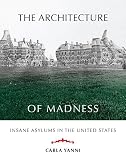
Insane Asylums in the United States (Architecture,, Landscape and Amer Culture)
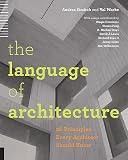
26 Principles Every Architect Should Know
In order to master the foundation of Architecture,, you must first master the basic building blocks of its language; the definitions, function, and usage.
The bestselling guide to architectural drawing, with new information, examples, and resources Architectural Graphics is the classic bestselling reference by one of the leading global authorities on architectural design drawing, Francis D.K. Ching.

Beloved and contemplated by philosophers, architects, writers, and literary theorists alike, Bachelard's lyrical, landmark work examines the places in which we place our conscious and unconscious thoughts and guides us through a stream of cerebral meditations on poetry, art, and…
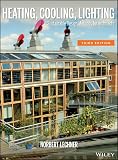
Sustainable Design Methods for Architects
One of the leading references on the design of a building's environmental controls has just gotten better. For years, Heating, Cooling, Lighting has supplied architects and students with the strategies needed for initial design decisions for building systems.
"Sales handles In Frank's distinctive graphic style, over 1500 hand drawings reinforce the concepts and lessons of each chapter Expanded to include new exercises and examples that range in complexity Features allnew digital drawing topics, such as, digital elevations and…
Through concise text and richly detailed black and white illustrations we come to know the philosophy of life and death in ancient Egypt.
The Renaissance architect Andrea Palladio was one of the most influential figures that the field of Architecture, has ever produced. For classical architects, the term Palladian stands for a vocabulary of architectural forms embodying perfection and beauty.
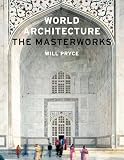

A Critical History (World of Art)
Third edition: revised and enlarged362 illustrationsThis acclaimed survey of 20thcentury Architecture, and its origins has become a classic since it first appeared in 1980.
Since its first publication in 1982, Modern Architecture, Since 1900 has become established as a contemporary classic. Worldwide in scope, it combines a clear historical outline with masterly analysis and interpretation.
Aldo Rossi, a practicing architect and leader of the Italian architectural movement La Tendenza, is also one of the most influential theorists writing today. The Architecture, of the City is his major work of architectural and urban theory.

A Catalog of Spatial Verbs
The core idea for this book is the use of operative verbs as tools for designing space. These operative verbs abstract the idea of spatial formation to its most basic terms, allowing for an objective approach to create the foundation for subjective spatial design.

Function, Constructibility, Aesthetics
The industrystandard guide to designing wellperforming buildings Architectural Detailing systematically describes the principles by which good architectural details are designed.

The Stories Behind the Historic Architecture, of ManhattanOne Building at a Time
Beautifully illustrated with line drawings and photographs, engagingly presented, and richly detailed, this charming guide traces the architectural and social history of Manhattan one building at a time.

The classic work on the evaluation of city form.What does the city's form actually mean to the people who live there What can the city planner do to make the city's image more vivid and memorable to the city dweller To answer these questions, Mr.
First published in 1966, and since translated into 16 languages, this remarkable book has become an essential document in architectural literature.
Concise lessons in design, drawing, the creative process, and presentation, from the basics of "How to Draw a Line" to the complexities of color theory.This is a book that students of Architecture, will want to keep in the studio and in their backpacks.
Now in its fourth edition, Analysing Architecture, has become internationally established as the best introduction to Architecture,.
Theorizing a New Agenda for Architecture,: An Anthology of ArchitecturalTheory collects in a single volume the most significant essays on architectural theory of the last thirty years.A dynamic period of reexamination of the discipline, the postmodern eraproduced widely…
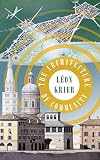
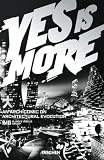
This thorough documentation of the work of trailblazing Danish firm BIG invites audiences into their processes, methods, and results via the most approachable and populist means of communication available the cartoon.
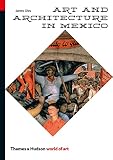
James Oles offers a single-author, chronological sweep of Mexican art from the Spanish Conquest to the early twenty-first century, moving across painting, sculpture, architecture, prints, and photography. The value lies in its breadth and in the interpretive links drawn between periods and media, which can reframe familiar works. The downside is a steady, detail-rich tone: chapters accumulate archival material and chronological argumentation, so casual readers seeking quick, illustrated browsing may find the pace taxing rather than lively.

A Guide to Creating Spaces You Never Want to Leave
In her design book, Homebody: A Guide To Creating Spaces You Never Want to Leave, Joanna Gaines walks you through how to create a home that reflects the personalities and stories of the people who live there.
Avantgarde theorist and architect Bernard Tschumi is equally well known for his writing and his practice. Architecture, and Disjunction, which brings together Tschumi's essays from 1975 to 1990, is a lucid and provocative analysis of many of the key issues that have engaged…
For the Swissborn architect and city planner Le Corbusier (CharlesÉdouard Jeanneret, 1887?1965), Architecture, constituted a noble art, an exalted calling in which the architect combined plastic invention, intellectual speculation, and higher mathematics to go beyond mere…
Profusely illustrated with fine instances of architectural experimentation through the centuries, Experiencing Architecture, manages to convey the intellectual excitement of superb design.
The Forgotten Symbolism of Architectural Form
A fascimile edition of the longoutofprint largeformat edition designed by design icon Muriel Cooper.Upon its publication by the MIT Press in 1972, Learning from Las Vegas was immediately influential and controversial.

Its Elements, History, And Meaning (Icon Editions)
This bestselling, illustrated survey of Western Architecture, is now fully revised throughout, explaining the structure, function, history, and meaning of Architecture, in a way that is both accessible and engaging.
Recommended Architecture Books by Daniel Burka
Daniel Burka recommends 3 books on this list. See all book recommendations by Daniel Burka
Recommended Architecture Books by Grady Booch
Grady Booch recommends 2 books on this list. See all book recommendations by Grady Booch
Recommended Architecture Books by Liz Lambert
Liz Lambert recommends 2 books on this list. See all book recommendations by Liz Lambert
Architecture Books: common questions
- What are the most recommended architecture books?
- A Pattern Language, How Buildings Learn and The Death and Life of Great American Cities are the most recommended architecture books on BookMentions, ranked by how many people recommended them.
- Who recommends architecture books?
- Daniel Burka, Grady Booch, Liz Lambert and Patrick Collison are among the people who recommend books on this list. Each name links to their full set of book recommendations.
- Which of these architecture books should I read first?
- A Pattern Language is the most recommended here with 9 recommendations, which makes it the safest place to start.
Built from recommendation data, category signals, and source-backed book records. Use this list as a starting point; open any book to see proof, context, and Amazon options where available.
Explore more lists
Best Architecture Books
97 booksArchitecture books recommended most by architects and urban planners — building theory, architectural history and iconic structures. Plus the writing on how space shapes the people inside it.
Best Art History Books
93 booksArt history recommended most by curators, critics and historians — movements, periods and the monographs that define them. Plus the survey works worth reading end to end.
Best Books About California
20 booksBooks about California, including titles recommended by Jordan Peterson, Natalie Portman and Kara Swisher. Most recommended here: The White Album, Slouching Towards Bethlehem and Angle of Repose.
Best Sociology Books
187 booksSociology recommended most by researchers and writers — inequality, cities, institutions, race and class. Including the fieldwork that changed how the questions get asked.
Best Coffee Table Books
90 booksLarge-format books recommended for the ones that stay out on the table — photography, art, design and travel. Chosen for the printing as much as the subject.
Best Art Books
94 booksArt books recommended most by artists, curators and critics — monographs, movements and technique. Plus the art history that repays slow reading.
About this list
This list aggregates books that appear in public recommendation sources, reader-interest signals, and category data. Books are ranked by their position from the source list; recommendation counts and ratings are shown where available. Open any book to see source-backed recommendation proof, editorial context, and Amazon options — the per-book detail page is where the trust signals live.
Recommended books by person: who recommends architecture books
Books recommended by the people below. Open a profile to see everything they recommend, with the source behind each pick.
- Daniel BurkaBooks recommended by Daniel: 3
- Grady BoochBooks recommended by Grady: 2
- Liz LambertBooks recommended by Liz: 2
- Patrick CollisonBooks recommended by Patrick: 2

- Ramit SethiBooks recommended by Ramit: 2
- Sam AltmanBooks recommended by Sam: 2

- Caterina FakeBooks recommended by Caterina: 1

- Chris DixonBooks recommended by Chris: 1
- Elon MuskBooks recommended by Elon: 1

- Geoffrey MillerBooks recommended by Geoffrey: 1
- Gretchen RubinBooks recommended by Gretchen: 1
- Jason FriedBooks recommended by Jason: 1