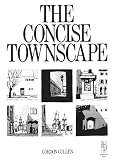
by Gordon Cullen
Concise Townscape reads like a brisk illustrated field guide to how streets, corners and façades make towns feel ordered. Its strength is a concentrated set of visual observations and compositional tactics—sequences of views, framing, and human scale—that sharpen how you look at urban space and help you sketch quick improvements. Main limitation: the emphasis on perceptual rules and evocative sketches leaves little by way of modern technical metrics, regulatory detail or implementation checklists.
This summary and audience guidance are AI-generated from the book's description and its recommendation history, last updated June 2026. Recommendations, quotes and sources elsewhere on this page come from published material and are not generated.
This book pioneered the concept of townscape. 'Townscape' is the art of giving visual coherence and organization to the jumble of buildings, streets and space that make up the urban environment. It has been a major influence on architects, planners and others concerned with what cities should look like....
Difficulty:hard
Check formats, pricing, and availability options for Kindle, physical print, or audiobooks directly.
View available editions on AmazonWhy recommended
appears in Architecture, Architecture, and Art.
Recommendation proof is sourced from public posts, interviews, reading lists, and cited references.
No verified recommendation proof available yet.
Check formats, pricing, and availability options directly on Amazon.
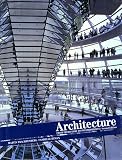
Consider Architecture, by Marvin Trachtenberg.
“Marvin Trachtenberg's Architecture alternates broad historical overviews with close readings of key buildings, using abundant illustrations to anchor points. It feels like a guided exhibition: periods are placed in social and intellectual context, then individual works are inspected for formal and aesthetic detail. Most useful for sharpening the ability to tell one period from another and spotting why certain buildings look and function the way they do. Limitation: the prose often assumes architectural vocabulary, so casual readers may find passages dense.”

Each recommendation is collected from a public source — interviews, articles, or curated lists — and linked to its original URL. Books with many verifiable recommendations from respected people rank higher.