Anatomy of a City
by Kate Ascher
Recommended by Grady Booch
Check price on AmazonProof-backed recommendation
Amazon availability
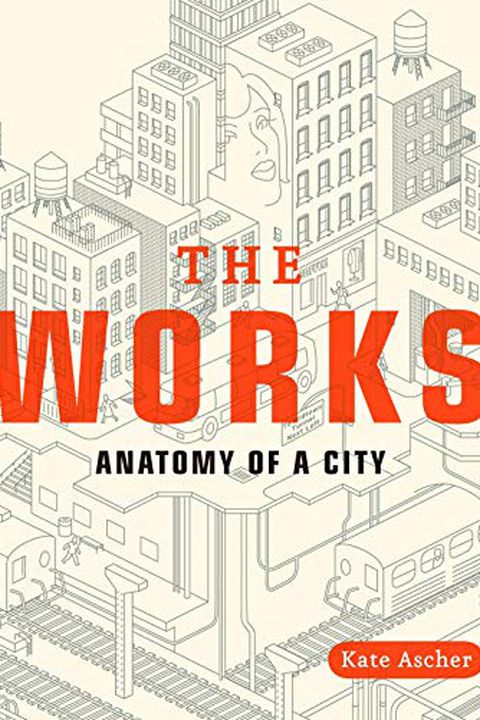
The Works: Anatomy of a City by Kate Ascher reads like a high-curiosity tour through the invisible infrastructure that keeps New York running. Its useful part is tracing cause-and-effect from daily actions (lights, toilets, trash) to large, interlocking systems, making the city feel legible. The limitation is that the book can drift into dense, specialized detail with more explanation than story momentum. If you prefer fast, character-driven chapters, you may find sections slow or repetitive in how they return to the same “systems in, systems out” pattern.
This summary and audience guidance are AI-generated from the book's description and its recommendation history, last updated May 2026. Recommendations, quotes and sources elsewhere on this page come from published material and are not generated.
How much do you really know about the systems that keep a city alive The Works: Anatomy of a City contains everything you ever wanted to know about what makes New York City run. When you flick on your light switch the light goes onhow When you put out your garbage, where does it go When you flush your toilet, what happens to the waste How doe...
Difficulty:hard
Check formats, pricing, and availability options for Kindle, physical print, or audiobooks directly.
View available editions on AmazonWhy recommended
Recommended by 1 source and appears in Architecture, Architecture, and Art.
People and public figures who have recommended this book.
Recommendation proof is sourced from public posts, interviews, reading lists, and cited references.
Check formats, pricing, and availability options directly on Amazon.
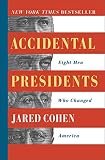
Consider Accidental Presidents by Jared Cohen. Recommended by 10 sources.
“Accidental Presidents offers eight narrative portraits of men who succeeded to the U.S. presidency without election, using anecdote-rich scenes and readable context to show how personality and circumstance interact with office power. It’s strongest as a set of self-contained stories that make succession stakes concrete for non-specialist readers; it does not prioritize dense archival argument or exhaustive methodology, so expect some interpretive generalizations and repeated themes across cases. Use it for fast historical orientation rather than scholarly deep-dives.”

Each recommendation is collected from a public source — interviews, articles, or curated lists — and linked to its original URL. Books with many verifiable recommendations from respected people rank higher.