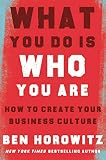
What You Do Is Who You Are
How to Create Your Business Culture
by Ben Horowitz
6 more
More Recommenders
“@lpabeyta @bhorowitz Just finished it! Great book and made me want to read a bio on Genghis Khan | Shows the value of having principles an organization and its leaders believe in and can stick with when it gets hard to do so and real tradeoffs are involved. | Spent last night reading @bhorowitz's new book and it's fantastic. I've seen a lot of different cultures good and bad, it can make or break an experience. You can tell there was a significant amount of thought put into the book.”
Source →“@lpabeyta @bhorowitz Just finished it! Great book and made me want to read a bio on Genghis Khan | Shows the value of having principles an organization and its leaders believe in and can stick with when it gets hard to do so and real tradeoffs are involved. | Spent last night reading @bhorowitz's new book and it's fantastic. I've seen a lot of different cultures good and bad, it can make or break an experience. You can tell there was a significant amount of thought put into the book.”
Source →Recommended by 8 notable people, including Marc Andreessen and Adam Grant
Check price on AmazonProof-backed recommendation
Amazon availability
Reading Profile
Should I read this?
Ben Horowitz stitches military-, criminal- and historical-vignettes to modern management scenes, handing executives short, concrete prescriptions for creating and enforcing culture. The value is in the vivid examples and direct advice that make abstract ideas actionable for leaders who must decide fast. The main limitation is repetition: the same moral resurfaces across several stories, which makes parts feel didactic rather than analytical. If you want step-by-step diagnostics or exercises, this book offers stories and prescriptions but no hands-on toolkit.
Read this if...
- •a first-time CEO steering a fast-growth startup who needs quick, enforceable ideas for setting norms and rituals before scale dilutes them — useful because it privileges decisive actions founders can implement immediately
- •an HR leader leading a post-merger culture integration who must present clear, concrete policies and symbolic changes to unify teams — useful because it supplies vivid examples of how rituals and rules communicate priorities
- •an engineering manager taking over a chaotic team after rapid hiring who wants blunt language and simple practices to reset expectations and accountability — useful because it favors direct behavioral fixes over long consensus processes
Skip this if...
- •you’ll likely put it down when long historical vignettes pile up and the same takeaway is retold — repetitive, anecdote-heavy sections are the most common drop-off point
- •annoying if you prefer careful empirical evidence, nuanced debate, or step-by-step diagnostics — the book leans on stories and prescriptions rather than systematic research
- •not for readers who want hands-on exercises or templates — lacks hands-on exercises and diagnostic tools, offering examples and maxims instead
Ben Horowitz, a leading venture capitalist, modern management expert, and New York Times bestselling author, combines lessons both from history and from modern organizational practice with practical and often surprising advice to help executives build cultures that can weather both good and bad times. Ben Horowitz has long been fascinated by histor...
Before You Buy
Reading Specifications
Difficulty:hard
Audience Fit
- a first-time CEO steering a fast-growth startup who needs quick, enforceable ideas for setting norms and rituals before scale dilutes them — useful because it privileges decisive actions founders can implement immediately
- an HR leader leading a post-merger culture integration who must present clear, concrete policies and symbolic changes to unify teams — useful because it supplies vivid examples of how rituals and rules communicate priorities
- an engineering manager taking over a chaotic team after rapid hiring who wants blunt language and simple practices to reset expectations and accountability — useful because it favors direct behavioral fixes over long consensus processes
- you’ll likely put it down when long historical vignettes pile up and the same takeaway is retold — repetitive, anecdote-heavy sections are the most common drop-off point
- annoying if you prefer careful empirical evidence, nuanced debate, or step-by-step diagnostics — the book leans on stories and prescriptions rather than systematic research
- not for readers who want hands-on exercises or templates — lacks hands-on exercises and diagnostic tools, offering examples and maxims instead
Check formats, pricing, and availability options for Kindle, physical print, or audiobooks directly.
View available editions on AmazonKey themes
Why recommended
Recommended by 11 sources and appears in Most Recommended Books, Management, and Leadership.
Recommended by notable people
People and public figures who have recommended this book.
Recommendation Signals
Recommendation proof is sourced from public posts, interviews, reading lists, and cited references.
Jessie Frazelle
“@lpabeyta @bhorowitz Just finished it! Great book and made me want to read a bio on Genghis Khan | Shows the value of having principles an organization and its leaders believe in and can stick with when it gets hard to do so and real tradeoffs are involved. | Spent last night reading @bhorowitz's new book and it's fantastic. I've seen a lot of different cultures good and bad, it can make or break an experience. You can tell there was a significant amount of thought put into the book.”
View sources (4) ▾80%
Appears In

Not sure if this is the right fit?
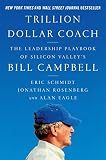
Consider Trillion Dollar Coach by Eric Schmidt. Recommended by 13 sources.
“A brisk, anecdote-driven collection of management lessons presented as brief chapters and stories. Its most useful parts are short, practical reminders about mentoring, building trust, and coaching teams—phrases you can recall before meetings. The main limitation is a heavy reliance on anecdotes and secondhand recollection rather than step-by-step recipes or rigorous analysis; readers wanting granular playbooks or data will find it thin. Best approached as a promptbook to revisit instead of a how-to manual to follow cover-to-cover.”
Similar books

Trillion Dollar Coach
Eric Schmidt
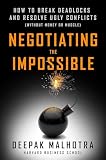
Negotiating the Impossible
Deepak Malhotra
Powerful
Patty McCord
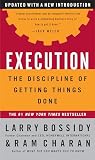
Execution
Larry Bossidy
The First 90 Days
Michael D. Watkins
The Five Dysfunctions of a Team
Patrick Lencioni
Conscious Business
Fred Kofman
Living Forward
Michael HyattHow recommendation signals are reviewed
Each recommendation is collected from a public source — interviews, articles, or curated lists — and linked to its original URL. Books with many verifiable recommendations from respected people rank higher.