A Guide to Spirituality Without Religion
by Sam Harris
More Recommenders
Recommended by 7 notable people, including Naval Ravikant and Nat Eliason
Check price on AmazonRecommended by public sources
Amazon availability
See customer reviews on Amazon →Waking Up mixes plainspoken meditation guidance, first-person reports, and philosophical reflection framed in secular terms and informed by psychology and neuroscience. Its most useful move is offering nonreligious reasons to try meditation and clear, accessible explanations for beginners. The main limitation is an argumentative, sometimes dogmatic tone on consciousness and selfhood that can feel abstract or dismissive of religious nuance. Not a hands-on training manual—better as a provocative primer and a set of talking points than as a comprehensive how-to.
This summary and audience guidance are AI-generated from the book's description and its recommendation history, last updated May 2026. Recommendations, quotes and sources elsewhere on this page come from published material and are not generated.
For the millions of Americans who want spirituality without religion, Sam Harris?s latest New York Times bestseller is a guide to meditation as a rational practice informed by neuroscience and psychology.From Sam Harris, neuroscientist and author of numerous New York Times bestselling books, Waking Up is for the twenty percent of Americans who foll...
Difficulty:hard
Check formats, pricing, and availability options for Kindle, physical print, or audiobooks directly.
View available editions on AmazonWhy recommended
Recommended by 10 sources and appears in Books Recommended by Naval Ravikant, Most Recommended Books, and Spirituality.
People and public figures who have recommended this book.
Recommendation proof is sourced from public posts, interviews, reading lists, and cited references.
Check formats, pricing, and availability options directly on Amazon.
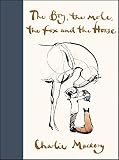
Consider The Boy, the Mole, the Fox and the Horse by Charlie Mackesy. Recommended by 8 sources.
“Soft-spoken, heavily illustrated fable built from short dialogues and watercolor sketches. Each spread pairs a spare line of text with a loose drawing, so the pleasure is visual and aphoristic rather than narrative; readers collect felt-true sentences more than plot. Most useful when you want quick consolations, a prompt for conversation with a child, or a pause during a rough day. Limiting if you want sustained argument, concrete advice, or tightly plotted storytelling: the repetition of gentleness can feel sentimental or thin after a while.”
Each recommendation is collected from a public source — interviews, articles, or curated lists — and linked to its original URL. Books with many verifiable recommendations from respected people rank higher.