BookMentionsBookMentions
Think Again
13 recommendations

Think Again

The Power of Knowing What You Don't Know

by Adam Grant

Recommended by 10 notable people, including Ankur Warikoo and Malcolm Gladwell

Check price on Amazon

Recommended by public sources

Amazon availability

Reading Profile

Difficulty:hard
Themes:scientist vs preacher mindsetconfident humility

Should I read this?

Think Again reads like an extended TED talk: brisk, anecdote-driven, and relentlessly actionable. Grant argues that mental flexibility is a trainable skill, using stories from entrepreneurs, athletes, and musicians to show how rethinking pays off and how overconfidence backfires. The most useful parts are the concrete scripts for inviting disagreement and updating your views. The limitation: the book can feel like a compilation of greatest hits from organizational psychology, with some sections dragging as examples pile on without deepening.

Read this if...

  • A product manager at a SaaS company who just received a detailed complaint from a power user labeling the product's core workflow 'broken by design' and is fighting the urge to dismiss it as one-off, realizing their defensiveness might be blinding them to a real issue.
  • A new hire at a design agency who, after a client presentation went badly because they defended a concept with 'my school taught it this way,' needs to learn how to separate their ego from their ideas and iterate based on feedback.
  • A parent who got into a heated argument with their teenager about screen time and left the conversation feeling more entrenched, worried they're modeling the very stubbornness they're trying to correct.

Skip this if...

  • You'll bounce hard if you pick this up expecting a deep dive into cognitive psychology—the book substitutes academic rigor with pop-social-science patter, and the first time it explains a concept via a brief business anecdote rather than research you'll feel shortchanged.
  • The frequent name-dropping of Silicon Valley startups, elite universities, and celebrity entrepreneurs may grate; you'll start rolling your eyes when yet another founder story is used to illustrate a point, especially if your daily work doesn't involve pitch decks or innovation labs.
  • If you're already a fan of the 'rethinking' concept, you'll likely put the book down midway when you notice each chapter essentially reframes the same insight (don't get attached to your beliefs) with a new industry example, offering more breadth than depth.

We need to spend as much time rethinking as we do thinking.Why do we refresh our wardrobes every year, renovate our kitchens every decade, but never update our beliefs and our views Why do we laugh at people using computers that are ten years old, but yet still cling to opinions we formed ten years agoFor too many of us, our ways of thinking beco...

Before You Buy

Reading Specifications

Difficulty:hard

Themes:
scientist vs preacher mindsetconfident humilityrethinking vs cognitive entrenchment

Audience Fit

Recommended for:
  • A product manager at a SaaS company who just received a detailed complaint from a power user labeling the product's core workflow 'broken by design' and is fighting the urge to dismiss it as one-off, realizing their defensiveness might be blinding them to a real issue.
  • A new hire at a design agency who, after a client presentation went badly because they defended a concept with 'my school taught it this way,' needs to learn how to separate their ego from their ideas and iterate based on feedback.
  • A parent who got into a heated argument with their teenager about screen time and left the conversation feeling more entrenched, worried they're modeling the very stubbornness they're trying to correct.
Not ideal if you want:
  • You'll bounce hard if you pick this up expecting a deep dive into cognitive psychology—the book substitutes academic rigor with pop-social-science patter, and the first time it explains a concept via a brief business anecdote rather than research you'll feel shortchanged.
  • The frequent name-dropping of Silicon Valley startups, elite universities, and celebrity entrepreneurs may grate; you'll start rolling your eyes when yet another founder story is used to illustrate a point, especially if your daily work doesn't involve pitch decks or innovation labs.
  • If you're already a fan of the 'rethinking' concept, you'll likely put the book down midway when you notice each chapter essentially reframes the same insight (don't get attached to your beliefs) with a new industry example, offering more breadth than depth.

Check formats, pricing, and availability options for Kindle, physical print, or audiobooks directly.

View available editions on Amazon

Key themes

scientist vs preacher mindsetconfident humilityrethinking vs cognitive entrenchmenttask conflict vs relationship conflictpsychological safety

Why recommended

Recommended by 13 sources and appears in Most Recommended Books, Leadership, and Psychology.

Recommended by notable people

People and public figures who have recommended this book.

Recommendation Signals

Recommendation proof is sourced from public posts, interviews, reading lists, and cited references.

J

Jim O'Shaughnessy

Recommended this book

80%
F

Fola Aina

Recommended this book

80%
C

Chip Conley

Recommended this book

80%

Ready to read Think Again?

Check formats, pricing, and availability options directly on Amazon.
View on Amazon

Appears In

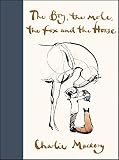
The Boy, the Mole, the Fox and the Horse
Try This Instead

Not sure if this is the right fit?

Consider The Boy, the Mole, the Fox and the Horse by Charlie Mackesy. Recommended by 8 sources.

Soft-spoken, heavily illustrated fable built from short dialogues and watercolor sketches. Each spread pairs a spare line of text with a loose drawing, so the pleasure is visual and aphoristic rather than narrative; readers collect felt-true sentences more than plot. Most useful when you want quick consolations, a prompt for conversation with a child, or a pause during a rough day. Limiting if you want sustained argument, concrete advice, or tightly plotted storytelling: the repetition of gentleness can feel sentimental or thin after a while.

Similar books

How recommendation signals are reviewed

Each recommendation is collected from a public source — interviews, articles, or curated lists — and linked to its original URL. Books with many verifiable recommendations from respected people rank higher.