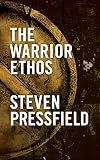
by Steven Pressfield
Recommended by Patrick O'Shaughnessy and Aubrey Marcus
Proof-backed recommendation
Amazon availability
Pressfield delivers a compact, declarative set of essays about courage, duty, and a warrior’s inner code. Short chapters and martial anecdotes make for brisk, rhetorical reading that supplies memorable lines and moral argumentation useful for framing leadership or personal discipline. The main limitation is repetition: points are hammered home in similar examples, and the voice can lean toward romanticizing combat-style virtues while offering few concrete, hands-on practices for everyday life.
This summary and audience guidance are AI-generated from the book's description and its recommendation history, last updated June 2026. Recommendations, quotes and sources elsewhere on this page come from published material and are not generated.
WARS CHANGE, WARRIORS DON'T We are all warriors. Each of us struggles every day to define and defend our sense of purpose and integrity, to justify our existence on the planet and to understand, if only within our own hearts, who we are and what we believe in. Do we fight by a code If so, what is it What is the Warrior Ethos Where did it come fr...
Difficulty:hard
Check formats, pricing, and availability options for Kindle, physical print, or audiobooks directly.
View available editions on AmazonWhy recommended
Recommended by 4 sources and appears in Most Recommended Books, Leadership, and Philosophy.
People and public figures who have recommended this book.
Recommendation proof is sourced from public posts, interviews, reading lists, and cited references.
Check formats, pricing, and availability options directly on Amazon.
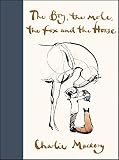
Consider The Boy, the Mole, the Fox and the Horse by Charlie Mackesy. Recommended by 8 sources.
“Soft-spoken, heavily illustrated fable built from short dialogues and watercolor sketches. Each spread pairs a spare line of text with a loose drawing, so the pleasure is visual and aphoristic rather than narrative; readers collect felt-true sentences more than plot. Most useful when you want quick consolations, a prompt for conversation with a child, or a pause during a rough day. Limiting if you want sustained argument, concrete advice, or tightly plotted storytelling: the repetition of gentleness can feel sentimental or thin after a while.”
Each recommendation is collected from a public source — interviews, articles, or curated lists — and linked to its original URL. Books with many verifiable recommendations from respected people rank higher.