BookMentionsBookMentions
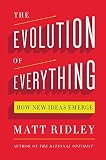
The Evolution of Everything
4 recommendations

The Evolution of Everything

How New Ideas Emerge

by Matt Ridley

Recommended by Naval Ravikant and Tobi Lutke

Recommended by Naval Ravikant and Tobi Lutke

Check price on Amazon

Proof-backed recommendation

Amazon availability

Reading Profile

Difficulty:easy
Themes:emergence vs designtrial-and-error vs central planning

Should I read this?

Ridley argues that language, technology, markets and morals mostly emerge through incremental trial-and-error rather than top-down design. The prose is lively and stuffed with cross-domain examples, which makes the central idea easy to picture and use as a heuristic. Main value: a single, simple lens for spotting spontaneous order in messy real-world institutions. Main limitation: the thesis is pushed strongly and counterpoints often get short shrift, so the book can feel one-sided and repetitive.

Read this if...

  • a city policy analyst arguing for decentralized pilot programs who needs clear, portable examples to persuade skeptical colleagues
  • a startup product manager deciding whether to let features evolve from user behavior who wants an intuitive argument for iterative, bottom-up change
  • an undergraduate writing a term paper on spontaneous order who needs accessible, cross-disciplinary case studies as source material

Skip this if...

  • you'll likely put it down when the author repeats the same thesis with fresh anecdotes—midway the pile of examples can feel tedious and uncompromising
  • annoying if you prefer balanced, heavily caveated analysis or careful statistical treatment rather than persuasive storytelling
  • not for someone who wants actionable toolkits or hands-on policy templates—lacks step-by-step exercises or practical playbooks

Human society evolves. Change in Technology,, language, morality, and society is incremental, inexorable, gradual, and spontaneous. It follows a narrative, going from one stage to the next, and it largely happens by trial and error—a version of natural selection. Much of the human world is the result of human action but not of human design: it emerg...

Before You Buy

Reading Specifications

Difficulty:easy

Themes:
emergence vs designtrial-and-error vs central planningindividual actions vs aggregate order

Audience Fit

Recommended for:
  • a city policy analyst arguing for decentralized pilot programs who needs clear, portable examples to persuade skeptical colleagues
  • a startup product manager deciding whether to let features evolve from user behavior who wants an intuitive argument for iterative, bottom-up change
  • an undergraduate writing a term paper on spontaneous order who needs accessible, cross-disciplinary case studies as source material
Not ideal if you want:
  • you'll likely put it down when the author repeats the same thesis with fresh anecdotes—midway the pile of examples can feel tedious and uncompromising
  • annoying if you prefer balanced, heavily caveated analysis or careful statistical treatment rather than persuasive storytelling
  • not for someone who wants actionable toolkits or hands-on policy templates—lacks step-by-step exercises or practical playbooks

Check formats, pricing, and availability options for Kindle, physical print, or audiobooks directly.

View available editions on Amazon

Key themes

emergence vs designtrial-and-error vs central planningindividual actions vs aggregate ordergradual change vs deliberate reformoptimism about markets vs social risks

Why recommended

Recommended by 4 sources and appears in Books Recommended by Naval Ravikant, Most Recommended Books, and Finance.

Recommended by notable people

People and public figures who have recommended this book.

Recommendation Signals

Recommendation proof is sourced from public posts, interviews, reading lists, and cited references.

Naval Ravikant

Naval Ravikant

Co-founder of AngelList; angel investor

Matt is a scientist, optimist, and forward thinker. One of my favorite authors. I’ve read everything of his, and reread everything of his. | Such a good book.
View sources (2) ▾80%

Appears In

The Boy, the Mole, the Fox and the Horse
Try This Instead

Not sure if this is the right fit?

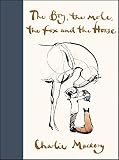
Consider The Boy, the Mole, the Fox and the Horse by Charlie Mackesy. Recommended by 8 sources.

Soft-spoken, heavily illustrated fable built from short dialogues and watercolor sketches. Each spread pairs a spare line of text with a loose drawing, so the pleasure is visual and aphoristic rather than narrative; readers collect felt-true sentences more than plot. Most useful when you want quick consolations, a prompt for conversation with a child, or a pause during a rough day. Limiting if you want sustained argument, concrete advice, or tightly plotted storytelling: the repetition of gentleness can feel sentimental or thin after a while.

Similar books

How recommendation signals are reviewed

Each recommendation is collected from a public source — interviews, articles, or curated lists — and linked to its original URL. Books with many verifiable recommendations from respected people rank higher.

The Evolution of Everything

The Evolution of Everything

View on Amazon →