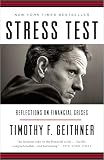
Stress Test
Reflections on Financial Crises
by Timothy F. Geithner
3 more
More Recommenders
“An 800page description of the financial crisis and I found it pretty captivating. | Sensational . . . The book Stress Test will forever be the definitive work on what causes financial panics and what must be done to stem them when they occur. | The former Treasury Secretary's frontrow view of the financial crisis.”
Source →“An 800page description of the financial crisis and I found it pretty captivating. | Sensational . . . The book Stress Test will forever be the definitive work on what causes financial panics and what must be done to stem them when they occur. | The former Treasury Secretary's frontrow view of the financial crisis.”
Source →Recommended by 5 notable people, including Bill Gates and Warren Buffett
Check price on AmazonProof-backed recommendation
Amazon availability
Reading Profile
Should I read this?
An inside, policy-focused memoir that reads like a day-by-day after-action report of the 2008 financial crisis. Geithner lays out timelines, phone calls, and technical mechanisms behind the Fed and Treasury interventions, so what works best is a granular sense of how decisions were made under pressure. what works best is high for readers who want procedural clarity, but the prose leans toward technocratic detail and frequent self-defense, which can feel repetitive and thin on emotional self-reflection.
Read this if...
- •a mid-level central-bank economist updating contingency plans: you’ll appreciate granular explanations of liquidity tools and the sequence of interventions.
- •a public-policy graduate student writing a thesis on crisis management: the memoir supplies first-person timelines and operational constraints useful for reconstructing policy choices.
- •a corporate treasury director at a large institution preparing stress scenarios: the account clarifies how government decision-making can alter counterparty and market outcomes during emergencies.
Skip this if...
- •you’ll likely put it down when chapters turn into long spreadsheets of meetings, phone logs, and legalistic descriptions — that procedural slog is the main lose interest moment.
- •annoying if you prefer personal confessions or emotional nuance — the voice is often defensive and focused on justification rather than introspection.
- •not great if you want hands-on exercises or practical playbooks — the book explains what happened and why, but it lacks hands-on checklists or step-by-step tools.
As president of the Federal Reserve Bank of New York and then as President Barack Obama?s secretary of the Treasury, Timothy F. Geithner helped the United States navigate the worst financial crisis since the Great Depression, from boom to bust to rescue to recovery. In a candid, riveting, and historically illuminating memoir, he takes readers behin...
Before You Buy
Reading Specifications
Difficulty:hard
Audience Fit
- a mid-level central-bank economist updating contingency plans: you’ll appreciate granular explanations of liquidity tools and the sequence of interventions.
- a public-policy graduate student writing a thesis on crisis management: the memoir supplies first-person timelines and operational constraints useful for reconstructing policy choices.
- a corporate treasury director at a large institution preparing stress scenarios: the account clarifies how government decision-making can alter counterparty and market outcomes during emergencies.
- you’ll likely put it down when chapters turn into long spreadsheets of meetings, phone logs, and legalistic descriptions — that procedural slog is the main lose interest moment.
- annoying if you prefer personal confessions or emotional nuance — the voice is often defensive and focused on justification rather than introspection.
- not great if you want hands-on exercises or practical playbooks — the book explains what happened and why, but it lacks hands-on checklists or step-by-step tools.
Check formats, pricing, and availability options for Kindle, physical print, or audiobooks directly.
View available editions on AmazonKey themes
Why recommended
Recommended by 7 sources and appears in Economics, Books Recommended by Warren Buffett, and Most Recommended Books.
Recommended by notable people
People and public figures who have recommended this book.
Recommendation Signals
Recommendation proof is sourced from public posts, interviews, reading lists, and cited references.
Mr. Money Mustache
“An 800page description of the financial crisis and I found it pretty captivating. | Sensational . . . The book Stress Test will forever be the definitive work on what causes financial panics and what must be done to stem them when they occur. | The former Treasury Secretary's frontrow view of the financial crisis.”
View sources (3) ▾80%
Appears In

Not sure if this is the right fit?
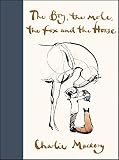
Consider The Boy, the Mole, the Fox and the Horse by Charlie Mackesy. Recommended by 8 sources.
“Soft-spoken, heavily illustrated fable built from short dialogues and watercolor sketches. Each spread pairs a spare line of text with a loose drawing, so the pleasure is visual and aphoristic rather than narrative; readers collect felt-true sentences more than plot. Most useful when you want quick consolations, a prompt for conversation with a child, or a pause during a rough day. Limiting if you want sustained argument, concrete advice, or tightly plotted storytelling: the repetition of gentleness can feel sentimental or thin after a while.”
Similar books

The Boy, the Mole, the Fox and the Horse
Charlie Mackesy
The World as It Is
Ben Rhodes
Out of Control
Kevin Kelly
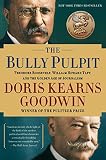
The Bully Pulpit
Doris Kearns Goodwin
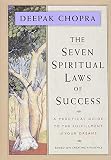
The Seven Spiritual Laws of Success
Deepak Chopra
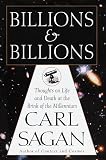
Billions and Billions
Carl Sagan
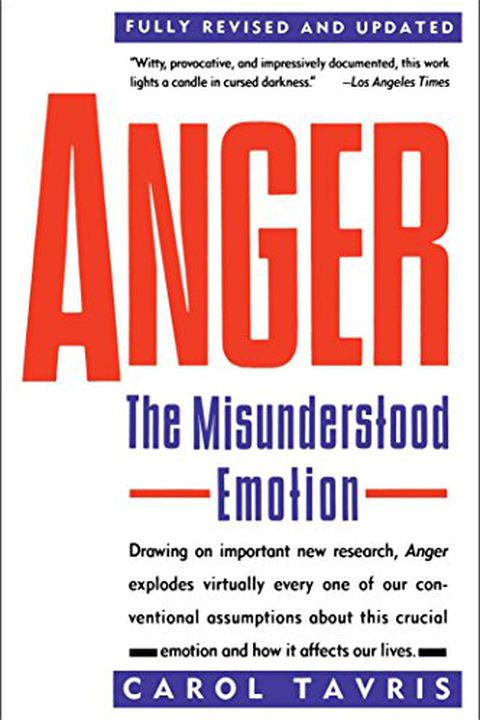
Anger
Gary ChapmanFactfulness
Hans RoslingHow recommendation signals are reviewed
Each recommendation is collected from a public source — interviews, articles, or curated lists — and linked to its original URL. Books with many verifiable recommendations from respected people rank higher.