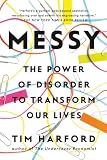
The Power of Disorder to Transform Our Lives
by Tim Harford
More Recommenders
Recommended by 3 notable people, including Adam Grant and Zoë Foster Blake
Check price on AmazonProof-backed recommendation
Amazon availability
See customer reviews on Amazon →Messy reads like a sequence of magazine-length case studies that argue disorganization and improvisation can yield creative advantages across business, politics and the arts. Its useful part is practical permission: vivid stories and metaphors you can use to justify experimentation and loosen rigid plans. Its main limitation is form—many chapters prioritize narrative over clear how-to, so readers looking for concrete, repeatable steps may find the book anecdote-heavy and occasionally repetitive.
This summary and audience guidance are AI-generated from the book's description and its recommendation history, last updated June 2026. Recommendations, quotes and sources elsewhere on this page come from published material and are not generated.
'Ranging expertly across business, politics and the arts, Tim Harford makes a compelling case for the creative benefits of disorganization, improvisation and confusion. His liberating message: you'll be more successful if you stop struggling so hard to plan or control your success. Messy is a deeply researched, endlessly eyeopening adventure in th...
Difficulty:hard
Check formats, pricing, and availability options for Kindle, physical print, or audiobooks directly.
View available editions on AmazonWhy recommended
Recommended by 4 sources and appears in Most Recommended Books, Finance, and Psychology.
People and public figures who have recommended this book.
Recommendation proof is sourced from public posts, interviews, reading lists, and cited references.

Adam Grant
Organizational psychologist; Wharton professor
“One of my favorite thinkers, Tim Harford, has a new fantastic book out”
Check formats, pricing, and availability options directly on Amazon.
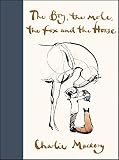
Consider The Boy, the Mole, the Fox and the Horse by Charlie Mackesy. Recommended by 8 sources.
“Soft-spoken, heavily illustrated fable built from short dialogues and watercolor sketches. Each spread pairs a spare line of text with a loose drawing, so the pleasure is visual and aphoristic rather than narrative; readers collect felt-true sentences more than plot. Most useful when you want quick consolations, a prompt for conversation with a child, or a pause during a rough day. Limiting if you want sustained argument, concrete advice, or tightly plotted storytelling: the repetition of gentleness can feel sentimental or thin after a while.”
Each recommendation is collected from a public source — interviews, articles, or curated lists — and linked to its original URL. Books with many verifiable recommendations from respected people rank higher.