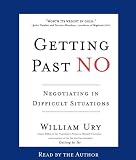
Negotiating in Difficult Situations
by William Ury

Recommended by Tim Ferriss
Check price on AmazonProof-backed recommendation
Amazon availability
Getting Past No is a practical, step-oriented guide with short chapters and ready-made language to de-escalate conflict and reopen stalled negotiations. what works best is concrete tactics you can try the next day: phrases, sequencing, and control techniques aimed at turning a hard 'no' into a workable conversation. Its main limitation is focus: the book favors bite-sized rules and repetition over long case studies, theoretical depth, or detailed exploration of power imbalances, so complexity can feel flattened.
This summary and audience guidance are AI-generated from the book's description and its recommendation history, last updated June 2026. Recommendations, quotes and sources elsewhere on this page come from published material and are not generated.
Dr. William L. Ury shows listeners how to overcome serious obstacles to negotiation. Whether dealing with an unruly teenager or an office bully, Dr. Ury's method will help listeners gain control in even the most difficult situations. Most importantly, GETTING PAST NO gets results....
Difficulty:easy
Check formats, pricing, and availability options for Kindle, physical print, or audiobooks directly.
View available editions on AmazonWhy recommended
Recommended by 2 sources and appears in Most Recommended Books, Leadership, and Business.
People and public figures who have recommended this book.
Recommendation proof is sourced from public posts, interviews, reading lists, and cited references.
Tim Ferriss
Author and podcaster
“I think this book and 'Getting to Yes' go together really, really nicely.”
Check formats, pricing, and availability options directly on Amazon.
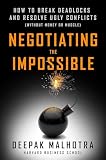
Consider Negotiating the Impossible by Deepak Malhotra. Recommended by 7 sources.
“Starts as a pragmatic manual for negotiating seemingly hopeless situations, driven by clear tactics and many illustrative stories. What works best is concrete, usable moves—reframing options, changing perceptions of leverage, and creative ways to reopen talks. The book leans heavily on case narratives, which make ideas memorable but also repeat similar lessons in multiple chapters. If you want hands-on templates or tightly argued theoretical models, you'll find it less satisfying; it lacks step-by-step exercises.”
Each recommendation is collected from a public source — interviews, articles, or curated lists — and linked to its original URL. Books with many verifiable recommendations from respected people rank higher.