Using Emotional Intelligence Like a Hostage Negotiator to Succeed as a Leader
by Derek Gaunt
Ego, Authority, Failure reads like a practical wake-up call for managers whose technical skill hasn't translated into leadership results. Derek Gaunt uses workplace anecdotes to show how ego and misused authority cause disengagement and turnover, and to pressure readers toward different behaviors. The clearest value is the situation-based, readable advice for everyday manager moments. The main limitation is repetition and a strongly opinionated tone; it offers few citations and no hands-on exercises for practicing changes.
This summary and audience guidance are AI-generated from the book's description and its recommendation history, last updated June 2026. Recommendations, quotes and sources elsewhere on this page come from published material and are not generated.
A Gallup study found that 50% of resigning employees did so "to get away from their manager...." The ones who don't quit become disengaged; creating a negative work environment costing U.S. companies billions in lost productivity each year.Leaders in the 21st century need to understand that technical skills are not enough to be an effective manager...
Difficulty:hard
Check formats, pricing, and availability options for Kindle, physical print, or audiobooks directly.
View available editions on AmazonRecommendation proof is sourced from public posts, interviews, reading lists, and cited references.
No verified recommendation proof available yet.
Check formats, pricing, and availability options directly on Amazon.
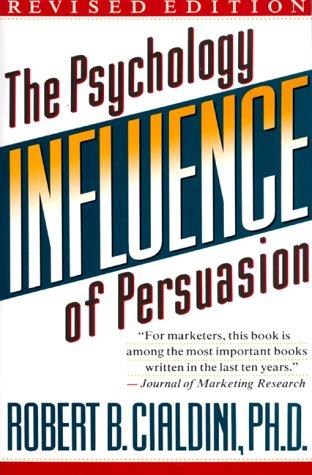
Consider Influence by Robert Cialdini. Recommended by 16 sources.
“This is a book that pulls apart the psychological shortcuts we use to make decisions, then shows how to deploy them in business contexts. The writing is clear and heavy on real-world examples from sales and marketing, which makes the principles stick but can leave you feeling like you’ve just taken a master class in manipulation. Its useful part is giving a language for the invisible forces that shape everyday choices. The main limitation: it can feel overly tactical, as if relationships are just a series of triggers to be pulled, offering little on building genuine influence through trust.”
Each recommendation is collected from a public source — interviews, articles, or curated lists — and linked to its original URL. Books with many verifiable recommendations from respected people rank higher.