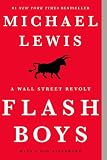
A Wall Street Revolt
by Michael Lewis
Recommended by Malcolm Gladwell and AlyKhan Satchu
Check price on AmazonProof-backed recommendation
Amazon availability
See customer reviews on Amazon →Flash Boys reads like a cinematic long-form magazine investigation of how trading technology reshaped U.S. equity markets. Michael Lewis follows a handful of traders and entrepreneurs who quit lucrative posts to trace algorithms, dark pools, and speed advantages; the narrative gives clear, scene-driven examples that make obscure plumbing feel urgent. The book's strength is storytelling—vivid characters and tension—while its limitation is light technical rigor: readers wanting detailed market mechanics or balanced academic debate will find gaps. It also leans on anecdote and personality, which can feel repetitive.
This summary and audience guidance are AI-generated from the book's description and its recommendation history, last updated June 2026. Recommendations, quotes and sources elsewhere on this page come from published material and are not generated.
#1 New York Times Bestseller With a new AfterwordIn Michael Lewis's gamechanging bestseller, a small group of Wall Street iconoclasts realize that the U.S. stock market has been rigged for the benefit of insiders. They band togethersome of them walking away from sevenfigure salariesto investigate, expose, and reform the insidious new ways that Wa...
Difficulty:hard
Check formats, pricing, and availability options for Kindle, physical print, or audiobooks directly.
View available editions on AmazonWhy recommended
Recommended by 3 sources and appears in Most Recommended Books, Finance, and Business.
People and public figures who have recommended this book.
Recommendation proof is sourced from public posts, interviews, reading lists, and cited references.
Check formats, pricing, and availability options directly on Amazon.
Consider The Undoing Project by Michael Lewis. Recommended by 18 sources.
“Michael Lewis chronicles the friendship and intellectual partnership of Daniel Kahneman and Amos Tversky, who championed the idea that cognitive biases shape our choices. The narrative reads like a buddy story, weaving their discoveries into personal anecdotes and the drama of their collaboration. You'll grasp key ideas—loss aversion, framing—through their story, but the book focuses on biography, not application. Helpful for understanding behavioral economics' origins; less useful if you want actionable advice. The emotional arc of their relationship can overshadow the science.”



Each recommendation is collected from a public source — interviews, articles, or curated lists — and linked to its original URL. Books with many verifiable recommendations from respected people rank higher.