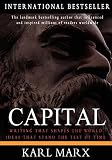
A Critique of Political Economy, Vol. 1
by Karl Marx
Recommended by 3 notable people, including Noam Chomsky and Elon Musk
Check price on AmazonRecommended by public sources
Amazon availability
See customer reviews on Amazon →Abridged but still dense, this edition mixes scene‑setting historical description of mid‑Victorian industry with sustained, often combative economic argument. Its practical value lies in vocabulary and close readings of how wages, commodities, and production were organized — material that fuels seminar debate and close citation. The main limitation is prose packed with technical digressions and extended sentences that sap forward motion; readers who want crisp, modern explanations or policy prescriptions will likely find it frustrating rather than clarifying.
This summary and audience guidance are AI-generated from the book's description and its recommendation history, last updated June 2026. Recommendations, quotes and sources elsewhere on this page come from published material and are not generated.
A classic of early modernism, Capital combines vivid historical detail with economic analysis to produce a bitter denunciation of midVictorian capitalist society. It has proved to be the most influential work in twentiethcentury social science; Marx did for social science what Darwin had done for biology. This is the only abridged edition to take...
Difficulty:hard
Check formats, pricing, and availability options for Kindle, physical print, or audiobooks directly.
View available editions on AmazonWhy recommended
Recommended by 3 sources and appears in Books Recommended by Elon Musk, Finance, and Politics.
People and public figures who have recommended this book.
Recommendation proof is sourced from public posts, interviews, reading lists, and cited references.
Check formats, pricing, and availability options directly on Amazon.
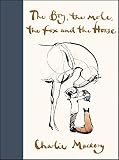
Consider The Boy, the Mole, the Fox and the Horse by Charlie Mackesy. Recommended by 8 sources.
“Soft-spoken, heavily illustrated fable built from short dialogues and watercolor sketches. Each spread pairs a spare line of text with a loose drawing, so the pleasure is visual and aphoristic rather than narrative; readers collect felt-true sentences more than plot. Most useful when you want quick consolations, a prompt for conversation with a child, or a pause during a rough day. Limiting if you want sustained argument, concrete advice, or tightly plotted storytelling: the repetition of gentleness can feel sentimental or thin after a while.”
Each recommendation is collected from a public source — interviews, articles, or curated lists — and linked to its original URL. Books with many verifiable recommendations from respected people rank higher.