The Case for Reason, Science, Humanism, and Progress
by Steven Pinker
More Recommenders
financial adviser

British physicist
(born 1966)

English ethologist, evolutionary biologist and author (born 1941)
Recommended by 12 notable people, including Bill Gates and Jordan Peterson
Check price on AmazonRecommended by public sources
Amazon availability
See customer reviews on Amazon →Reading feels like sitting through a TED talk with endless slides: each chapter serves up a dataset on declining violence, rising wealth, spreading education. The book shines as a reference for the facts behind the 'good news' narrative. But the monotone optimism wears thin; Pinker rarely stops to acknowledge that the same data can be read as evidence of persistent inequality. The argument gets preachy, and if you need nuance, you'll find the brush too broad. It's a heady dose of progress boosterism that makes its case at full volume, but the cheerful tone clashes with the gravity some readers will feel about real-world problems.
This summary and audience guidance are AI-generated from the book's description and its recommendation history, last updated May 2026. Recommendations, quotes and sources elsewhere on this page come from published material and are not generated.
A New York Times Bestselling AuthorIs the world falling apart? Is progress obsolete? In this elegant assessment of the human condition, cognitive scientist and public intellectual Steven Pinker urges us to step back from the gory headlines and follow the data. In seventy-five jaw-dropping graphs, Pinker shows that life, health, prosperity, safety, peace, knowledge, and happiness are on the rise worldwide. Far from being a naïve hope, the Enlightenment has worked.
Difficulty:hard
Check formats, pricing, and availability options for Kindle, physical print, or audiobooks directly.
View available editions on AmazonWhy recommended
Recommended by 22 sources and appears in Books Recommended by Bill Gates, Books Recommended by Writers, and Books Recommended by Founders.
People and public figures who have recommended this book.
Recommendation proof is sourced from public posts, interviews, reading lists, and cited references.
Richard Dawkins
English ethologist, evolutionary biologist and author (born 1941)
Recommended this book
Check formats, pricing, and availability options directly on Amazon.
Most Recommended Books
Curated5676 books
Books Recommended by Bill Gates
Category75 books
Books Recommended by Writers
Category75 books
Books Recommended by Founders
Category75 books
Books Recommended by Billionaires
Category75 books
Politics
Category565 books
Philosophy
Category738 books
Psychology
Category965 books
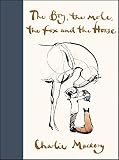
Consider The Boy, the Mole, the Fox and the Horse by Charlie Mackesy. Recommended by 8 sources.
“Soft-spoken, heavily illustrated fable built from short dialogues and watercolor sketches. Each spread pairs a spare line of text with a loose drawing, so the pleasure is visual and aphoristic rather than narrative; readers collect felt-true sentences more than plot. Most useful when you want quick consolations, a prompt for conversation with a child, or a pause during a rough day. Limiting if you want sustained argument, concrete advice, or tightly plotted storytelling: the repetition of gentleness can feel sentimental or thin after a while.”
Each recommendation is collected from a public source — interviews, articles, or curated lists — and linked to its original URL. Books with many verifiable recommendations from respected people rank higher.