
The Chilling True Story of the Largest Covert Biological Weapons Program in the World--Told from Inside by the Man Who Ran It
by Ken Alibek
Recommended by Jonathan Eisen
Check price on AmazonProof-backed recommendation
Amazon availability
Biohazard reads like a former insider's confessional about the Soviet biological-weapons program, mixing first-person memoir with technical descriptions and dramatic anecdotes. Its useful part is the operational detail and inside texture of labs, projects, and secrecy that typical histories often omit. Main limitation: the narrative sometimes drifts into lurid dramatization and long stretches of laboratory minutiae that tire readers looking for big-picture context or lighter pacing. Tone can feel urgent and partisan rather than dispassionate reportage.
This summary and audience guidance are AI-generated from the book's description and its recommendation history, last updated June 2026. Recommendations, quotes and sources elsewhere on this page come from published material and are not generated.
Anthrax. Smallpox. Incurable and horrifying Ebolarelated fevers. For two decades, while a fearful world prepared for nuclear winter, an elite team of Russian bioweaponeers began to till a new killing field: a bleak tract sown with powerful seeds of mass destruction—by doctors who had committed themselves to creating a biological Armageddon. Biohaz...
Difficulty:hard
Check formats, pricing, and availability options for Kindle, physical print, or audiobooks directly.
View available editions on AmazonWhy recommended
Recommended by 2 sources and appears in Most Recommended Books, Science, and History.
People and public figures who have recommended this book.
Recommendation proof is sourced from public posts, interviews, reading lists, and cited references.
Check formats, pricing, and availability options directly on Amazon.
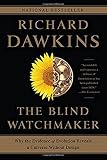
Consider The Blind Watchmaker by Richard Dawkins. Recommended by 12 sources.
“Reading feels brisk and combative: clear metaphors and thought experiments carry much of the book, making abstract evolutionary mechanics concrete for a general reader. The most useful material offers step-by-step dismantling of purposive explanations and replaces them with probabilistic accounts of variation and selection. Main limitation is tone and repetition—several chapters restate the same counterarguments at length—and occasional technical detours into probability and genetics that slow readers who prefer story over demonstration. No hands-on exercises.”

Each recommendation is collected from a public source — interviews, articles, or curated lists — and linked to its original URL. Books with many verifiable recommendations from respected people rank higher.