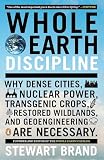
Why Dense Cities, Nuclear Power, Transgenic Crops, Restored Wildlands, and Geoengineering Are Necessary
by Stewart Brand
Recommended by 4 notable people, including Patrick Collison and Marc Andreessen
Check price on AmazonRecommended by public sources
Amazon availability
See customer reviews on Amazon →Starts as a brisk, science-focused challenge to mainstream environmental assumptions, pushing readers to rethink which interventions deserve support. The book’s useful part is its argument-driven reassessment — it supplies policy-minded, often technology-friendly reasons to revise orthodox positions rather than sentimental appeals. The main limitation is tone and scope: Brand can sound polemical and selective, and the book favors big-picture argument over granular roadmaps or step-by-step implementation, which will frustrate readers wanting practical next steps.
This summary and audience guidance are AI-generated from the book's description and its recommendation history, last updated May 2026. Recommendations, quotes and sources elsewhere on this page come from published material and are not generated.
"Incredible book . . . Best I've read this year." Jack Dorsey, via Twitter This eyeopening book by the legendary author of the National Book Awardwinning Whole Earth Catalog persuasively details a new approach to our stewardship of the planet. Lifelong ecologist and futurist Stewart Brand relies on scientific rigor to shatter myths concerning n...
Difficulty:hard
Check formats, pricing, and availability options for Kindle, physical print, or audiobooks directly.
View available editions on AmazonWhy recommended
Recommended by 9 sources and appears in Environment, Most Recommended Books, and Finance.
People and public figures who have recommended this book.
Recommendation proof is sourced from public posts, interviews, reading lists, and cited references.
Check formats, pricing, and availability options directly on Amazon.
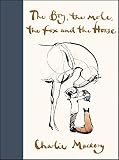
Consider The Boy, the Mole, the Fox and the Horse by Charlie Mackesy. Recommended by 8 sources.
“Soft-spoken, heavily illustrated fable built from short dialogues and watercolor sketches. Each spread pairs a spare line of text with a loose drawing, so the pleasure is visual and aphoristic rather than narrative; readers collect felt-true sentences more than plot. Most useful when you want quick consolations, a prompt for conversation with a child, or a pause during a rough day. Limiting if you want sustained argument, concrete advice, or tightly plotted storytelling: the repetition of gentleness can feel sentimental or thin after a while.”
Each recommendation is collected from a public source — interviews, articles, or curated lists — and linked to its original URL. Books with many verifiable recommendations from respected people rank higher.