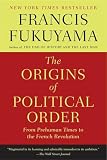
From Prehuman Times to the French Revolution
by Francis Fukuyama
Recommended by 3 notable people, including Mark Manson and David Heinemeier Hansson
Check price on AmazonRecommended by public sources
Amazon availability
See customer reviews on Amazon →The Origins of Political Order delivers a broad, scholarly survey of how tribal arrangements turned into centralized states and universal legal orders across different societies. Its useful part is the long‑view comparative sweep that connects premodern and modern cases, useful for anyone wanting historical context for state formation. Its main limitation is its density: long stretches of historical detail and theoretical argument slow the pace and reward patience rather than offering concise, actionable takeaways.
This summary and audience guidance are AI-generated from the book's description and its recommendation history, last updated June 2026. Recommendations, quotes and sources elsewhere on this page come from published material and are not generated.
A New York Times Notable Book for 2011 A Globe and Mail Best Books of the Year 2011 TitleA Kirkus Reviews Best Nonfiction of 2011 titleVirtually all human societies were once organized tribally, yet over time most developed new political institutions which included a central state that could keep the peace and uniform laws that applied to all citiz...
Difficulty:hard
Check formats, pricing, and availability options for Kindle, physical print, or audiobooks directly.
View available editions on AmazonWhy recommended
Recommended by 4 sources and appears in Most Recommended Books, Politics, and Philosophy.
People and public figures who have recommended this book.
Recommendation proof is sourced from public posts, interviews, reading lists, and cited references.
Check formats, pricing, and availability options directly on Amazon.
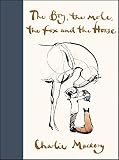
Consider The Boy, the Mole, the Fox and the Horse by Charlie Mackesy. Recommended by 8 sources.
“Soft-spoken, heavily illustrated fable built from short dialogues and watercolor sketches. Each spread pairs a spare line of text with a loose drawing, so the pleasure is visual and aphoristic rather than narrative; readers collect felt-true sentences more than plot. Most useful when you want quick consolations, a prompt for conversation with a child, or a pause during a rough day. Limiting if you want sustained argument, concrete advice, or tightly plotted storytelling: the repetition of gentleness can feel sentimental or thin after a while.”
Each recommendation is collected from a public source — interviews, articles, or curated lists — and linked to its original URL. Books with many verifiable recommendations from respected people rank higher.