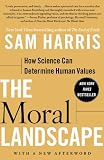
How Science Can Determine Human Values
by Sam Harris
More Recommenders

Recommended by 4 notable people, including Sophie Bakalar and Christopher Hitchens
Check price on AmazonProof-backed recommendation
Amazon availability
See customer reviews on Amazon →The Moral Landscape delivers a compact, argumentative case for treating questions of moral value in terms of human well‑being. The tone is brisk and unapologetic: chapters advance a clear thesis and press objections quickly. That makes the book energizing for readers who want a single, organized position to engage with now. The limitation is rough treatment of complex cultural and philosophical pushback, which can feel dismissive to readers expecting careful, multidisciplinary engagement rather than polemic.
This summary and audience guidance are AI-generated from the book's description and its recommendation history, last updated June 2026. Recommendations, quotes and sources elsewhere on this page come from published material and are not generated.
Sam Harris' first book, The End of Faith, ignited a worldwide debate about the validity of religion. In the aftermath, Harris discovered that most people from religious fundamentalists to nonbelieving scientists agree on one point: science has nothing to say on the subject of human values. Indeed, our failure to address questions of meaning an...
Difficulty:easy
Check formats, pricing, and availability options for Kindle, physical print, or audiobooks directly.
View available editions on AmazonWhy recommended
Recommended by 5 sources and appears in Most Recommended Books, Spirituality, and Philosophy.
People and public figures who have recommended this book.
Recommendation proof is sourced from public posts, interviews, reading lists, and cited references.
Matt Dillahunty
“The Moral Landscape by @SamHarrisOrg most closely reflects my thoughts”
Check formats, pricing, and availability options directly on Amazon.
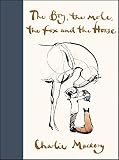
Consider The Boy, the Mole, the Fox and the Horse by Charlie Mackesy. Recommended by 8 sources.
“Soft-spoken, heavily illustrated fable built from short dialogues and watercolor sketches. Each spread pairs a spare line of text with a loose drawing, so the pleasure is visual and aphoristic rather than narrative; readers collect felt-true sentences more than plot. Most useful when you want quick consolations, a prompt for conversation with a child, or a pause during a rough day. Limiting if you want sustained argument, concrete advice, or tightly plotted storytelling: the repetition of gentleness can feel sentimental or thin after a while.”
Each recommendation is collected from a public source — interviews, articles, or curated lists — and linked to its original URL. Books with many verifiable recommendations from respected people rank higher.