Defending America in the Future of High-Tech Warfare
by Christian Brose
Recommended by public sources
Amazon availability
Brose writes with urgency, laying out how emerging technologies and slow procurement processes could hollow out military advantage. The book mixes narrative vignettes, policy reportage, and pointed prescriptions; reading it feels like sitting through a brisk policy briefing that keeps returning to one warning: adapt faster or lose relative advantage. Useful parts: concrete examples of procurement failure and argued priorities for shifting focus from single big platforms to systems thinking. Limitation: repeated alarms and prose that tilts toward advocacy make it feel one-sided to readers seeking balanced scholarship.
This summary and audience guidance are AI-generated from the book's description and its recommendation history, last updated June 2026. Recommendations, quotes and sources elsewhere on this page come from published material and are not generated.
From a former senior advisor to Senator John McCain, an urgent wakeup call about how new technologies are threatening America's military might. When we think about the future of war, the military and Washington and most everyone gets it backwards. We think in terms of buying single military systems, such as fighter jets or aircraft carriers. And w...
Difficulty:hard
Check formats, pricing, and availability options for Kindle, physical print, or audiobooks directly.
View available editions on AmazonWhy recommended
Recommended by 3 sources and appears in Most Recommended Books, Politics, and Social Sciences.
People and public figures who have recommended this book.
Recommendation proof is sourced from public posts, interviews, reading lists, and cited references.
Check formats, pricing, and availability options directly on Amazon.
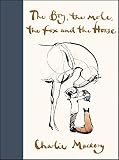
Consider The Boy, the Mole, the Fox and the Horse by Charlie Mackesy. Recommended by 8 sources.
“Soft-spoken, heavily illustrated fable built from short dialogues and watercolor sketches. Each spread pairs a spare line of text with a loose drawing, so the pleasure is visual and aphoristic rather than narrative; readers collect felt-true sentences more than plot. Most useful when you want quick consolations, a prompt for conversation with a child, or a pause during a rough day. Limiting if you want sustained argument, concrete advice, or tightly plotted storytelling: the repetition of gentleness can feel sentimental or thin after a while.”
Each recommendation is collected from a public source — interviews, articles, or curated lists — and linked to its original URL. Books with many verifiable recommendations from respected people rank higher.