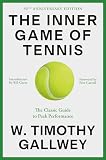
The Classic Guide to the Mental Side of Peak Performance
by W. Timothy Gallwey
More Recommenders


American entrepreneur, author, blogger, and venture capitalist
Recommended by 8 notable people, including Bill Gates and Nat Eliason
Check price on AmazonRecommended by public sources
Amazon availability
See customer reviews on Amazon →The Inner Game of Tennis reads like a calm coaching conversation that reframes performance as two competing mindsets: the judging self and the relaxed, attentive self. Its useful part is concise mental cues and tennis-based anecdotes that help you notice nervousness and shift focus in the moment, useful on court and in other pressure situations. Limitation: the book repeats its central premise across chapters and leans on dated, sport-specific examples, so it feels thin if you wanted exhaustive technique or modern context.
This summary and audience guidance are AI-generated from the book's description and its recommendation history, last updated May 2026. Recommendations, quotes and sources elsewhere on this page come from published material and are not generated.
The Inner Game of Tennis is a revolutionary program for overcoming the selfdoubt, nervousness, and lapses of concentration that can keep a player from winning. Now available in a revised paperback edition, this classic bestseller can change the way the game of tennis is played....
Difficulty:hard
Check formats, pricing, and availability options for Kindle, physical print, or audiobooks directly.
View available editions on AmazonWhy recommended
Recommended by 12 sources and appears in Books Recommended by Bill Gates, Books Recommended by CEOs, and Most Recommended Books.
People and public figures who have recommended this book.
Recommendation proof is sourced from public posts, interviews, reading lists, and cited references.
Check formats, pricing, and availability options directly on Amazon.
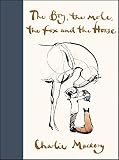
Consider The Boy, the Mole, the Fox and the Horse by Charlie Mackesy. Recommended by 8 sources.
“Soft-spoken, heavily illustrated fable built from short dialogues and watercolor sketches. Each spread pairs a spare line of text with a loose drawing, so the pleasure is visual and aphoristic rather than narrative; readers collect felt-true sentences more than plot. Most useful when you want quick consolations, a prompt for conversation with a child, or a pause during a rough day. Limiting if you want sustained argument, concrete advice, or tightly plotted storytelling: the repetition of gentleness can feel sentimental or thin after a while.”
Each recommendation is collected from a public source — interviews, articles, or curated lists — and linked to its original URL. Books with many verifiable recommendations from respected people rank higher.