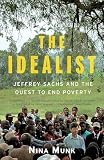
Jeffrey Sachs and the Quest to End Poverty
by Nina Munk

Recommended by Bill Gates
Check price on AmazonProof-backed recommendation
Amazon availability
The Idealist reads like immersive investigative reporting that follows a multiyear development experiment from launch through messy implementation. Its strongest value is the granular, on-the-ground reporting that exposes gaps between promises, fundraising, and local realities. The main limitation is a tendency toward repetitive operational minutiae and a sustained critical stance, so readers hoping for balanced prescriptions or clear alternatives may feel shortchanged. Best used as a cautionary case study rather than a how-to guide.
This summary and audience guidance are AI-generated from the book's description and its recommendation history, last updated June 2026. Recommendations, quotes and sources elsewhere on this page come from published material and are not generated.
NAMED ONE OF THE BEST BOOKS OF THE YEAR BY Bloomberg • Forbes • The SpectatorRecipient of Foreign Policy's 2013 Albie AwardIn 2006, Jeffrey Sachs—celebrated economist, special advisor to the Secretary General of the United Nations, and author of the influential bestseller The End of Poverty— launched the Millennium Villages Project, a daring, $120...
Difficulty:hard
Check formats, pricing, and availability options for Kindle, physical print, or audiobooks directly.
View available editions on AmazonWhy recommended
Recommended by 2 sources and appears in Most Recommended Books, Finance, and Politics.
People and public figures who have recommended this book.
Recommendation proof is sourced from public posts, interviews, reading lists, and cited references.
Bill Gates
Co-founder of Microsoft; co-chair of the Gates Foundation
“I’ve told everyone at our foundation that I think it is worth taking the time to read The Idealist.”
Check formats, pricing, and availability options directly on Amazon.
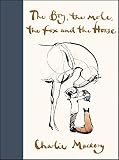
Consider The Boy, the Mole, the Fox and the Horse by Charlie Mackesy. Recommended by 8 sources.
“Soft-spoken, heavily illustrated fable built from short dialogues and watercolor sketches. Each spread pairs a spare line of text with a loose drawing, so the pleasure is visual and aphoristic rather than narrative; readers collect felt-true sentences more than plot. Most useful when you want quick consolations, a prompt for conversation with a child, or a pause during a rough day. Limiting if you want sustained argument, concrete advice, or tightly plotted storytelling: the repetition of gentleness can feel sentimental or thin after a while.”
Each recommendation is collected from a public source — interviews, articles, or curated lists — and linked to its original URL. Books with many verifiable recommendations from respected people rank higher.