The Box
How the Shipping Container Made the World Smaller and the World Economy Bigger
by Marc Levinson
3 more
More Recommenders
“@sarahookr Slight side note. If you want a great book about the invention of the shipping container and what impacts it had across many industries, I highly recommend "The Box: How the Shipping Container Made the World Smaller and the World Economy Bigger" by Marc Levinson. | He’s one of us entrepreneurs who would absolutely be on your podcast if he would be alive right now because he spent the first money out of college on buying a truck. He started a trucking company and tried to get things shipped across the country or even to Europe and realized we can make the most efficient trucking system, or the train guys have the most efficient trains, and the boat guys have ships all over the world... | Mostly about globalization, but there is also a larger story here that touches on business and philanthropy more broadly.”
Source →“@sarahookr Slight side note. If you want a great book about the invention of the shipping container and what impacts it had across many industries, I highly recommend "The Box: How the Shipping Container Made the World Smaller and the World Economy Bigger" by Marc Levinson. | He’s one of us entrepreneurs who would absolutely be on your podcast if he would be alive right now because he spent the first money out of college on buying a truck. He started a trucking company and tried to get things shipped across the country or even to Europe and realized we can make the most efficient trucking system, or the train guys have the most efficient trains, and the boat guys have ships all over the world... | Mostly about globalization, but there is also a larger story here that touches on business and philanthropy more broadly.”
Source →Recommended by 5 notable people, including Bill Gates and Paul Graham
Check price on AmazonProof-backed recommendation
Amazon availability
Reading Profile
Should I read this?
The book traces containerization from an early voyage into an industry-wide overhaul, presenting company anecdotes, policy fights, and shipping economics. Reading feels like a succession of episodes that argue an unglamorous box altered trade routes, port design, and business models; the narrative emphasizes logistics mechanics and macroeconomic ripple effects. Limitation: detail-heavy reporting and industry jargon slow the pace, and readers seeking broad cultural synthesis or personal memoir may find the focus strictly structural. The author presents examples intended to show how cost, standardization, and port politics converged to make containerization practical.
Read this if...
- •a logistics manager at a mid-sized importer trying to persuade leadership about port choices — the book presents historical episodes and operational detail that explain why container flows and port layout matter
- •a graduate student in economic history drafting a paper on globalization infrastructure — the book presents chronology and business/policy episodes that can serve as concrete case material and operational context
- •a business journalist covering trade or supply chains who needs vivid scenes and conflicts to enliven reporting — the book includes company anecdotes and regulatory conflicts that provide color and potential sourcing threads
Skip this if...
- •you'll likely put it down when chapters pile up with technical port and ship minutiae — the middle sections get dense and repetitive and are where many lose interest
- •annoying if you prefer personal memoir or cultural storytelling rather than institutional and industrial history; this is about systems, not individual lives
- •not for readers who dislike jargon or dry operational detail; the book repeats similar logistics points and assumes patience for granular explanation
In April 1956, a refitted oil tanker carried fiftyeight shipping containers from Newark to Houston. From that modest beginning, container shipping developed into a huge industry that made the boom in global trade possible. "The Box" tells the dramatic story of the container's creation, the decade of struggle before it was widely adopted, and the s...
Before You Buy
Reading Specifications
Difficulty:hard
Audience Fit
- a logistics manager at a mid-sized importer trying to persuade leadership about port choices — the book presents historical episodes and operational detail that explain why container flows and port layout matter
- a graduate student in economic history drafting a paper on globalization infrastructure — the book presents chronology and business/policy episodes that can serve as concrete case material and operational context
- a business journalist covering trade or supply chains who needs vivid scenes and conflicts to enliven reporting — the book includes company anecdotes and regulatory conflicts that provide color and potential sourcing threads
- you'll likely put it down when chapters pile up with technical port and ship minutiae — the middle sections get dense and repetitive and are where many lose interest
- annoying if you prefer personal memoir or cultural storytelling rather than institutional and industrial history; this is about systems, not individual lives
- not for readers who dislike jargon or dry operational detail; the book repeats similar logistics points and assumes patience for granular explanation
Check formats, pricing, and availability options for Kindle, physical print, or audiobooks directly.
View available editions on AmazonKey themes
Why recommended
Recommended by 9 sources and appears in Books Recommended by Paul Graham, Books Recommended by Bill Gates, and Most Recommended Books.
Recommended by notable people
People and public figures who have recommended this book.
Recommendation Signals
Recommendation proof is sourced from public posts, interviews, reading lists, and cited references.
Bill Gates
Co-founder of Microsoft; co-chair of the Gates Foundation
“@sarahookr Slight side note. If you want a great book about the invention of the shipping container and what impacts it had across many industries, I highly recommend "The Box: How the Shipping Container Made the World Smaller and the World Economy Bigger" by Marc Levinson. | He’s one of us entrepreneurs who would absolutely be on your podcast if he would be alive right now because he spent the first money out of college on buying a truck. He started a trucking company and tried to get things shipped across the country or even to Europe and realized we can make the most efficient trucking system, or the train guys have the most efficient trains, and the boat guys have ships all over the world... | Mostly about globalization, but there is also a larger story here that touches on business and philanthropy more broadly.”
View sources (3) ▾80%
Appears In
Not sure if this is the right fit?
Consider The Undoing Project by Michael Lewis. Recommended by 18 sources.
“Michael Lewis chronicles the friendship and intellectual partnership of Daniel Kahneman and Amos Tversky, who championed the idea that cognitive biases shape our choices. The narrative reads like a buddy story, weaving their discoveries into personal anecdotes and the drama of their collaboration. You'll grasp key ideas—loss aversion, framing—through their story, but the book focuses on biography, not application. Helpful for understanding behavioral economics' origins; less useful if you want actionable advice. The emotional arc of their relationship can overshadow the science.”
Similar books
The Undoing Project
Michael Lewis
The Little Book of Common Sense Investing
John C. Bogle
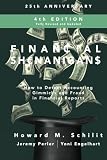
Financial Shenanigans
Howard Schilit
Scale
Geoffrey West
Poor Numbers
Morten Jerven
The Great Illusion
Norman Angell
One Billion Americans
Matthew Yglesias
Accounting Principles Standalone book
Jerry J. WeygandtHow recommendation signals are reviewed
Each recommendation is collected from a public source — interviews, articles, or curated lists — and linked to its original URL. Books with many verifiable recommendations from respected people rank higher.