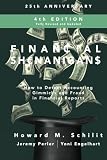
How to Detect Accounting Gimmicks and Fraud in Financial Reports
by Howard Schilit
Recommended by Sanjay Bakshi
Check price on AmazonProof-backed recommendation
Amazon availability
This reads like a forensic accounting primer made up of extended case studies: each chapter dissects a real company's filings, flags specific line-item maneuvers, and offers concrete checklists investors can use. Most useful for anyone who wants practical heuristics for spotting aggressive revenue recognition, earnings management, and off-balance-sheet items. Limitation: it leans heavily on accounting minutiae and repeats similar cases, so readers seeking broad investment philosophy or interactive exercises will find it dense rather than hands-on.
This summary and audience guidance are AI-generated from the book's description and its recommendation history, last updated June 2026. Recommendations, quotes and sources elsewhere on this page come from published material and are not generated.
The bestselling classic from the "Sherlock Holmes of Accounting"updated to reflect the key case studies and most important lessons from the past quarter century. This fourth edition of the classic guide shines a light on the most shocking frauds and financial reporting offenders of the last twentyfive years, and gives investors the tools they ne...
Difficulty:hard
Check formats, pricing, and availability options for Kindle, physical print, or audiobooks directly.
View available editions on AmazonWhy recommended
Recommended by 1 source and appears in Finance, Business, and Nonfiction.
People and public figures who have recommended this book.
Recommendation proof is sourced from public posts, interviews, reading lists, and cited references.
Sanjay Bakshi
“Read the chapters on Cash Flow Shenanigans in @HowardSchilit's fantastic book.”
Check formats, pricing, and availability options directly on Amazon.
Consider The Undoing Project by Michael Lewis. Recommended by 18 sources.
“Michael Lewis chronicles the friendship and intellectual partnership of Daniel Kahneman and Amos Tversky, who championed the idea that cognitive biases shape our choices. The narrative reads like a buddy story, weaving their discoveries into personal anecdotes and the drama of their collaboration. You'll grasp key ideas—loss aversion, framing—through their story, but the book focuses on biography, not application. Helpful for understanding behavioral economics' origins; less useful if you want actionable advice. The emotional arc of their relationship can overshadow the science.”


Each recommendation is collected from a public source — interviews, articles, or curated lists — and linked to its original URL. Books with many verifiable recommendations from respected people rank higher.