by Robert Greene
More Recommenders

American radio personality
Recommended by 12 notable people, including Derek Sivers and Ryan Holiday
Check price on AmazonRecommended by public sources
Amazon availability
See customer reviews on Amazon →The 48 Laws of Power reads like a Machiavellian field guide, each chapter laying out a law with historical examples, observations, and reversals. The book’s strength is its unflinching look at realpolitik across centuries, helping you spot and deploy power moves in boardrooms and beyond. However, its amoral stance and repetitive structure can grate, and Greene’s selective historical anecdotes may oversimplify complex situations. It’s best absorbed in small doses; reading straight through feels like a cynical binge.
This summary and audience guidance are AI-generated from the book's description and its recommendation history, last updated May 2026. Recommendations, quotes and sources elsewhere on this page come from published material and are not generated.
Amoral, cunning, ruthless, and instructive, this multi-million-copy New York Times bestseller is the definitive manual for anyone interested in gaining, observing, or defending against ultimate control – from the author of The Laws of Human Nature In the book that People magazine proclaimed “beguiling” and “fascinating,” Robert Greene and Joost Elffers have distilled three thousand years of the history of power into 48 essential laws by drawing from the philosophies of Machiavelli, Sun Tzu, and Carl Von Clausewitz and also from the lives of figures ranging from Henry Kissinger to P.T. Barnum. Some laws teach the need for prudence (“Law 1: Never Outshine the Master”), others teach the value…
Difficulty:hard
Length:497 pages (Long)
Check formats, pricing, and availability options for Kindle, physical print, or audiobooks directly.
View available editions on AmazonWhy recommended
Recommended by 23 sources and appears in Books Recommended by Ryan Holiday, Most Recommended Books, and Philosophy.
People and public figures who have recommended this book.
Recommendation proof is sourced from public posts, interviews, reading lists, and cited references.
Check formats, pricing, and availability options directly on Amazon.
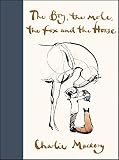
Consider The Boy, the Mole, the Fox and the Horse by Charlie Mackesy. Recommended by 8 sources.
“Soft-spoken, heavily illustrated fable built from short dialogues and watercolor sketches. Each spread pairs a spare line of text with a loose drawing, so the pleasure is visual and aphoristic rather than narrative; readers collect felt-true sentences more than plot. Most useful when you want quick consolations, a prompt for conversation with a child, or a pause during a rough day. Limiting if you want sustained argument, concrete advice, or tightly plotted storytelling: the repetition of gentleness can feel sentimental or thin after a while.”
Each recommendation is collected from a public source — interviews, articles, or curated lists — and linked to its original URL. Books with many verifiable recommendations from respected people rank higher.