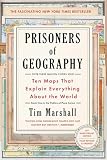
Ten Maps That Explain Everything About the World
by Tim Marshall
More Recommenders
Recommended by 6 notable people, including Derek Sivers and Fareed Zakaria
Check price on AmazonRecommended by public sources
Amazon availability
See customer reviews on Amazon →Brisk, map-led chapters lay out how rivers, mountains, coasts and resources shape national choices; each regional essay is readable, full of geographic anecdotes and strategic sketches. What works best is the clear mental mapping it gives: after a few chapters you start seeing how terrain constrains options. Main limitation is simplification—complex political, economic and social drivers are often reduced to geographic causes—and some material shows its 2016 timestamp. Expect useful orientation more than deep scholarship.
This summary and audience guidance are AI-generated from the book's description and its recommendation history, last updated May 2026. Recommendations, quotes and sources elsewhere on this page come from published material and are not generated.
In this New York Times bestseller, updated for 2016, an awardwinning journalist uses ten maps of crucial regions to explain the geopolitical strategies of the world powers—“fans of geography, history, and politics (and maps) will be enthralled” (Fort Worth StarTelegram).Maps have a mysterious hold over us. Whether ancient, crumbling parchments o...
Difficulty:easy
Check formats, pricing, and availability options for Kindle, physical print, or audiobooks directly.
View available editions on AmazonWhy recommended
Recommended by 7 sources and appears in Most Recommended Books, Politics, and History.
People and public figures who have recommended this book.
Recommendation proof is sourced from public posts, interviews, reading lists, and cited references.
Check formats, pricing, and availability options directly on Amazon.
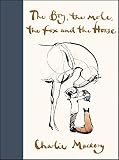
Consider The Boy, the Mole, the Fox and the Horse by Charlie Mackesy. Recommended by 8 sources.
“Soft-spoken, heavily illustrated fable built from short dialogues and watercolor sketches. Each spread pairs a spare line of text with a loose drawing, so the pleasure is visual and aphoristic rather than narrative; readers collect felt-true sentences more than plot. Most useful when you want quick consolations, a prompt for conversation with a child, or a pause during a rough day. Limiting if you want sustained argument, concrete advice, or tightly plotted storytelling: the repetition of gentleness can feel sentimental or thin after a while.”
Each recommendation is collected from a public source — interviews, articles, or curated lists — and linked to its original URL. Books with many verifiable recommendations from respected people rank higher.