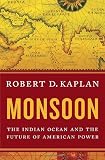
The Indian Ocean and the Future of American Power
by Robert D. Kaplan
Recommended by Raoul Pal
Check price on AmazonProof-backed recommendation
Amazon availability
Kaplan argues that geopolitical attention is shifting toward the Indian Ocean 'Monsoon' zone and stitches travel reportage, historical background, and strategic commentary into a single narrative. The book’s strength is on-the-ground color, broad context, and readable storytelling that helps visualize trade routes, maritime linkages, and regional players. Main limitation: it relies heavily on anecdote and broad assertion, with limited methodological rigor or systematic evidence; readers seeking footnoted academic treatment will likely find it impressionistic and occasionally speculative.
This summary and audience guidance are AI-generated from the book's description and its recommendation history, last updated June 2026. Recommendations, quotes and sources elsewhere on this page come from published material and are not generated.
On the world maps common in America, the Western Hemisphere lies front and center, while the Indian Ocean region all but disappears. This convention reveals the geopolitical focus of the nowdeparted twentieth century, but in the twenty-first century that focus will fundamentally change. In this pivotal examination of the countries known as “Monsoo...
Difficulty:hard
Check formats, pricing, and availability options for Kindle, physical print, or audiobooks directly.
View available editions on AmazonWhy recommended
Recommended by 2 sources and appears in Hobbies, Most Recommended Books, and Travel.
People and public figures who have recommended this book.
Recommendation proof is sourced from public posts, interviews, reading lists, and cited references.
Raoul Pal
crypto promoter
“1. Developing my Monsoon theory based around inverting the world of ageing demographics and high debts in developed markets to low debt, young demographics countries around the Indian Ocean, loosely inspired by the book Monsoon by Robert Kaplan”
Check formats, pricing, and availability options directly on Amazon.
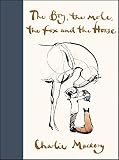
Consider The Boy, the Mole, the Fox and the Horse by Charlie Mackesy. Recommended by 8 sources.
“Soft-spoken, heavily illustrated fable built from short dialogues and watercolor sketches. Each spread pairs a spare line of text with a loose drawing, so the pleasure is visual and aphoristic rather than narrative; readers collect felt-true sentences more than plot. Most useful when you want quick consolations, a prompt for conversation with a child, or a pause during a rough day. Limiting if you want sustained argument, concrete advice, or tightly plotted storytelling: the repetition of gentleness can feel sentimental or thin after a while.”
Each recommendation is collected from a public source — interviews, articles, or curated lists — and linked to its original URL. Books with many verifiable recommendations from respected people rank higher.