More Recommenders
American businessman
Recommended by 12 notable people, including Nat Eliason and Ryan Holiday
Check price on AmazonRecommended by public sources
Amazon availability
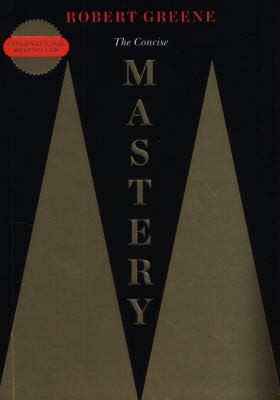
See customer reviews on Amazon →Robert Greene’s Mastery reads like a dense compendium of historical biographies arguing that genius is cultivated, not innate. It structures the journey to mastery into distinct phases—discovering your Life’s Task, undergoing rigorous apprenticeship, absorbing mentor wisdom—and illustrates each with exhaustive detail from figures like Mozart and Franklin. The narrative is rich but repetitive, constantly circling the same themes through different lenses. The ornate prose and philosophical digressions demand patience. The book offers inspiration but no actionable steps; its reverent, deterministic tone may either galvanize or exhaust you.
This summary and audience guidance are AI-generated from the book's description and its recommendation history, last updated May 2026. Recommendations, quotes and sources elsewhere on this page come from published material and are not generated.
The #1 New York Timesbestselling sequel to The 48 Laws of PowerMastery synthesizes the years of research Robert Greene conducted while writing the international bestsellers The 48 Laws of Power, The 33 Strategies of War, and The Art of Seduction and demonstrates that the ultimate form of power is mastery itself. By analyzing the lives of such past ...
Difficulty:hard
Check formats, pricing, and availability options for Kindle, physical print, or audiobooks directly.
View available editions on AmazonWhy recommended
Recommended by 16 sources and appears in Books Recommended by Ryan Holiday, Most Recommended Books, and Philosophy.
People and public figures who have recommended this book.
Recommendation proof is sourced from public posts, interviews, reading lists, and cited references.
Check formats, pricing, and availability options directly on Amazon.
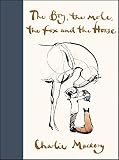
Consider The Boy, the Mole, the Fox and the Horse by Charlie Mackesy. Recommended by 8 sources.
“Soft-spoken, heavily illustrated fable built from short dialogues and watercolor sketches. Each spread pairs a spare line of text with a loose drawing, so the pleasure is visual and aphoristic rather than narrative; readers collect felt-true sentences more than plot. Most useful when you want quick consolations, a prompt for conversation with a child, or a pause during a rough day. Limiting if you want sustained argument, concrete advice, or tightly plotted storytelling: the repetition of gentleness can feel sentimental or thin after a while.”
Each recommendation is collected from a public source — interviews, articles, or curated lists — and linked to its original URL. Books with many verifiable recommendations from respected people rank higher.