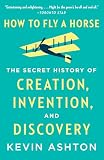
The Secret History of Creation, Invention, and Discovery
by Kevin Ashton
Recommended by Joel McHale and Horace Dediu
Recommended by public sources
Amazon availability
How to Fly a Horse by Kevin Ashton stitches wide-ranging historical and modern examples into a single argument: creation is ordinary, slow, and iterative rather than the product of sudden inspiration. Its useful part is morale and language for everyday makers—stories that debunk the myth of instant genius and normalize persistence. Its main limitation is method: the book leans heavily on anecdotes and rhetorical restatement rather than systematic analysis or practical steps, so readers seeking dense data or a how-to will feel shortchanged.
This summary and audience guidance are AI-generated from the book's description and its recommendation history, last updated June 2026. Recommendations, quotes and sources elsewhere on this page come from published material and are not generated.
To create is human. Technology, pioneer Kevin Ashton has experienced firsthand the allconsuming challenge of creating something new. Now, in a tourdeforce narrative twenty years in the making, Ashton demystifies the sacred act, leading us on a journey through humanity’s greatest creations to uncover the surprising truth behind who creates and how...
Difficulty:medium
Check formats, pricing, and availability options for Kindle, physical print, or audiobooks directly.
View available editions on AmazonWhy recommended
Recommended by 3 sources and appears in Most Recommended Books, Psychology, and Business.
People and public figures who have recommended this book.
Recommendation proof is sourced from public posts, interviews, reading lists, and cited references.
Check formats, pricing, and availability options directly on Amazon.
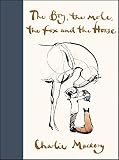
Consider The Boy, the Mole, the Fox and the Horse by Charlie Mackesy. Recommended by 8 sources.
“Soft-spoken, heavily illustrated fable built from short dialogues and watercolor sketches. Each spread pairs a spare line of text with a loose drawing, so the pleasure is visual and aphoristic rather than narrative; readers collect felt-true sentences more than plot. Most useful when you want quick consolations, a prompt for conversation with a child, or a pause during a rough day. Limiting if you want sustained argument, concrete advice, or tightly plotted storytelling: the repetition of gentleness can feel sentimental or thin after a while.”
Each recommendation is collected from a public source — interviews, articles, or curated lists — and linked to its original URL. Books with many verifiable recommendations from respected people rank higher.