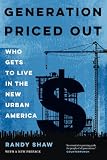
Who Gets to Live in the New Urban America
by Randy Shaw
Recommended by Tyler Cowen
Check price on AmazonProof-backed recommendation
Amazon availability
Generation Priced Out reads like a city-by-city investigative dispatch: vivid tenant stories and activist chronicles alternating with policy snapshots and local political battles. Its most useful part is the concrete reporting — names, campaigns, and municipal fights that show how zoning, development, and homeowner resistance shape prices. The book’s limit is a sometimes polemical voice and uneven depth: some cities get rich detail while other chapters summarize quickly, so readers wanting systematic data or step-by-step fixes will be frustrated.
This summary and audience guidance are AI-generated from the book's description and its recommendation history, last updated June 2026. Recommendations, quotes and sources elsewhere on this page come from published material and are not generated.
Generation Priced Out is a call to action on one of the most talkedabout issues of our time: how skyrocketing rents and home values are pricing the working and middle classes out of urban America. Randy Shaw tells the powerful stories of tenants, politicians, homeowner groups, developers, and activists in over a dozen cities impacted by the nation...
Difficulty:hard
Check formats, pricing, and availability options for Kindle, physical print, or audiobooks directly.
View available editions on AmazonWhy recommended
Recommended by 2 sources and appears in Most Recommended Books, Finance, and Politics.
People and public figures who have recommended this book.
Recommendation proof is sourced from public posts, interviews, reading lists, and cited references.
Tyler Cowen
“A YIMBY book, with good historical material on San Francisco, Los Angeles, and other locales involved in the struggle to build more.”
Check formats, pricing, and availability options directly on Amazon.
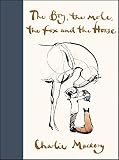
Consider The Boy, the Mole, the Fox and the Horse by Charlie Mackesy. Recommended by 8 sources.
“Soft-spoken, heavily illustrated fable built from short dialogues and watercolor sketches. Each spread pairs a spare line of text with a loose drawing, so the pleasure is visual and aphoristic rather than narrative; readers collect felt-true sentences more than plot. Most useful when you want quick consolations, a prompt for conversation with a child, or a pause during a rough day. Limiting if you want sustained argument, concrete advice, or tightly plotted storytelling: the repetition of gentleness can feel sentimental or thin after a while.”
Each recommendation is collected from a public source — interviews, articles, or curated lists — and linked to its original URL. Books with many verifiable recommendations from respected people rank higher.