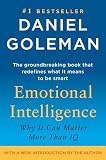
Why It Can Matter More Than IQ
by Daniel Goleman
More Recommenders

American writer
“It’s nonfiction, but it spelled out something that I just didn’t know you could kind of break down in a logical way. And, suddenly, I had this understanding about the world that I didn’t have before.”
Source →“It’s nonfiction, but it spelled out something that I just didn’t know you could kind of break down in a logical way. And, suddenly, I had this understanding about the world that I didn’t have before.”
Source →“It’s nonfiction, but it spelled out something that I just didn’t know you could kind of break down in a logical way. And, suddenly, I had this understanding about the world that I didn’t have before.”
Source →Recommended by 5 notable people, including Brendon Burchard and Drew Houston
Check price on AmazonProof-backed recommendation
Amazon availability
See customer reviews on Amazon →Emotional Intelligence reads like a brisk popular-science tour, opening with vivid contrasts between a 'rational' and an 'emotional' mind. Early chapters use clear case examples that make emotional skills—self-control, empathy, social awareness—easy to talk about. The most useful part is the plainspoken vocabulary and practical anecdotes that help frame workplace and personal conflicts. The main limitation is its heavy reliance on anecdotes and broad claims; the book sometimes races past scientific nuance and repeats points, so readers seeking tightly sourced technical depth will be frustrated.
This summary and audience guidance are AI-generated from the book's description and its recommendation history, last updated May 2026. Recommendations, quotes and sources elsewhere on this page come from published material and are not generated.
Everyone knows that high IQ is no guarantee of success, happiness, or virtue, but until Emotional Intelligence, we could only guess why. Daniel Goleman's brilliant report from the frontiers of psychology and neuroscience offers startling new insight into our "two minds"?the rational and the emotional?and how they together shape our destiny.Through ...
Difficulty:easy
Check formats, pricing, and availability options for Kindle, physical print, or audiobooks directly.
View available editions on AmazonWhy recommended
Recommended by 8 sources and appears in Psychology, Best Leadership Books, and Most Recommended Books.
People and public figures who have recommended this book.
Recommendation proof is sourced from public posts, interviews, reading lists, and cited references.
Jack Kornfield
American writer
“It’s nonfiction, but it spelled out something that I just didn’t know you could kind of break down in a logical way. And, suddenly, I had this understanding about the world that I didn’t have before.”
Check formats, pricing, and availability options directly on Amazon.
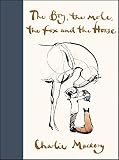
Consider The Boy, the Mole, the Fox and the Horse by Charlie Mackesy. Recommended by 8 sources.
“Soft-spoken, heavily illustrated fable built from short dialogues and watercolor sketches. Each spread pairs a spare line of text with a loose drawing, so the pleasure is visual and aphoristic rather than narrative; readers collect felt-true sentences more than plot. Most useful when you want quick consolations, a prompt for conversation with a child, or a pause during a rough day. Limiting if you want sustained argument, concrete advice, or tightly plotted storytelling: the repetition of gentleness can feel sentimental or thin after a while.”
Each recommendation is collected from a public source — interviews, articles, or curated lists — and linked to its original URL. Books with many verifiable recommendations from respected people rank higher.