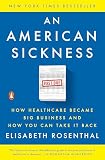
How Healthcare Became Big Business and How You Can Take It Back
by Elisabeth Rosenthal
Recommended by John Legend
Check price on AmazonProof-backed recommendation
Amazon availability
Rosenthal mixes individual case histories with investigative reporting and clear financial explanations to map how incentives drive U.S. health-care pricing and behavior. Most useful are the concise breakdowns of billing practices, hospital and insurer incentives, and why prices often stay opaque. Main limits are recurring case studies and several deep dives into regulation and economics that slow the narrative; readers seeking brief prescriptions or a purely human-centered story may find the policy detail taxing.
This summary and audience guidance are AI-generated from the book's description and its recommendation history, last updated June 2026. Recommendations, quotes and sources elsewhere on this page come from published material and are not generated.
A New York Times bestseller/Washington Post Notable Book of 2017/NPR Best Books of 2017/Wall Street Journal Best Books of 2017 "This book will serve as the definitive guide to the past and future of health care in America."Siddhartha Mukherjee, Pulitzer Prizewinning author of The Emperor of All Maladies and The GeneAt a moment of drastic politic...
Difficulty:hard
Check formats, pricing, and availability options for Kindle, physical print, or audiobooks directly.
View available editions on AmazonWhy recommended
Recommended by 2 sources and appears in Most Recommended Books, Health, and Finance.
People and public figures who have recommended this book.
Recommendation proof is sourced from public posts, interviews, reading lists, and cited references.
John Legend
“Vacation books: Underground Railroad (@colsonwhitehead), An American Sickness (@RosenthalHealth) & Killers of the Flower Moon (@davidgrann)”
Check formats, pricing, and availability options directly on Amazon.
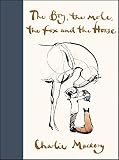
Consider The Boy, the Mole, the Fox and the Horse by Charlie Mackesy. Recommended by 8 sources.
“Soft-spoken, heavily illustrated fable built from short dialogues and watercolor sketches. Each spread pairs a spare line of text with a loose drawing, so the pleasure is visual and aphoristic rather than narrative; readers collect felt-true sentences more than plot. Most useful when you want quick consolations, a prompt for conversation with a child, or a pause during a rough day. Limiting if you want sustained argument, concrete advice, or tightly plotted storytelling: the repetition of gentleness can feel sentimental or thin after a while.”
Each recommendation is collected from a public source — interviews, articles, or curated lists — and linked to its original URL. Books with many verifiable recommendations from respected people rank higher.