by Adam Smith
Recommended by Jawad Mian and Genevieve Guenther
Check price on AmazonRecommended by public sources
Amazon availability
Recommended by 2 sources and appears in Finance, Philosophy, and Social Sciences.
What can he added to the happiness of the man who is in health, who is out of debt, and has a clear conscience To one in this situation, all accessions of fortune may properly be said to be superfluous; and if he is much elevated upon account of them, it must be the effect of the most frivolous levity. This situation, however, may very well be cal...
Check formats, pricing, and current availability directly.
Why recommended
Recommended by 2 sources and appears in Finance, Philosophy, and Social Sciences.
People and public figures who have recommended this book.
Recommendation proof is sourced from public posts, interviews, reading lists, and cited references.
Check formats, pricing, and availability options directly on Amazon.
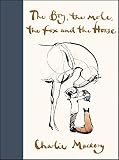
Consider The Boy, the Mole, the Fox and the Horse by Charlie Mackesy. Recommended by 8 sources.
“Soft-spoken, heavily illustrated fable built from short dialogues and watercolor sketches. Each spread pairs a spare line of text with a loose drawing, so the pleasure is visual and aphoristic rather than narrative; readers collect felt-true sentences more than plot. Most useful when you want quick consolations, a prompt for conversation with a child, or a pause during a rough day. Limiting if you want sustained argument, concrete advice, or tightly plotted storytelling: the repetition of gentleness can feel sentimental or thin after a while.”
Each recommendation is collected from a public source — interviews, articles, or curated lists — and linked to its original URL. Books with many verifiable recommendations from respected people rank higher.