BookMentionsBookMentions
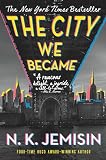
The City We Became
7 recommendations

The City We Became

A Novel (The Great Cities Trilogy (1))

by N. K. Jemisin

Recommended by Neil Gaiman, Ezra Klein +
2 more

More Recommenders

C

A few fiction books I've loved recently: NK Jemisin's "The City We Became" Amal ElMohtar and Max Gladstone's "This is How You Lose the Time War" Kevin Wilson's "Nothing to See Here" They're all beautiful writing built on fantastical premises. Got any more recommendations | Given the state of things, it's even harder for me to lose myself in a bookbut @nkjemisin did it. Three straight days of stealing time to read. This was so weird, and so ambitious, and SO DAMN GOOD. | Have read and highly recommend the first two via @nkjemisin @tithenai @maxgladstone, gotta check out the third... | It is such a good book.

Source →
V

A few fiction books I've loved recently: NK Jemisin's "The City We Became" Amal ElMohtar and Max Gladstone's "This is How You Lose the Time War" Kevin Wilson's "Nothing to See Here" They're all beautiful writing built on fantastical premises. Got any more recommendations | Given the state of things, it's even harder for me to lose myself in a bookbut @nkjemisin did it. Three straight days of stealing time to read. This was so weird, and so ambitious, and SO DAMN GOOD. | Have read and highly recommend the first two via @nkjemisin @tithenai @maxgladstone, gotta check out the third... | It is such a good book.

Source →

Recommended by 4 notable people, including Neil Gaiman and Ezra Klein

Check price on Amazon

Proof-backed recommendation

Amazon availability

Reading Profile

Difficulty:hard
Themes:city-as-soulindividual vs collective

Should I read this?

This propulsive, idea-rich urban fantasy treats New York City as a living entity, populated by five urgent, point-of-view voices who must unite against an uncanny, city-scale threat. Reading feels cinematic and loud—fast scene changes, vivid neighborhood detail, and stretches of mythic allegory—so what works best is atmosphere, momentum, and clever set-pieces. Limitations: brisk plotting sometimes shortchanges quieter character work and the metaphysical rules can feel dense or uneven; readers wanting slow psychological depth or tight, subtle realism may find it frustrating.

Read this if...

  • an adjunct urban-studies instructor preparing a one-week seminar on city narratives next term—because the novel literalizes neighborhood identity and offers multiple, short POVs students can compare in a single class session
  • a speculative-fiction book-club coordinator scheduling a two-hour meeting in the next month—because the book's vivid set-pieces and distinct POV chapters provide clear passages to assign and debate without requiring members to follow a long, slow plot
  • a daily commuter with 30–45 minute trips who wants chunked, momentum-driven reading—because the scene-driven chapters and brisk pace make each ride feel like a complete, attention-holding session

Skip this if...

  • you'll likely put it down when the book piles on metaphysical concepts and rapid POV switches early on—if you need a slow, steady emotional deepening, this feels rushed
  • annoying if you prefer quiet interiority or subtle psychological realism—the story emphasizes action, allegory, and neighborhood texture over long private interior scenes
  • friction for readers bothered by tonal whiplash—the mix of humor, street-level detail, and apocalyptic stakes shifts quickly and can feel uneven

Five New Yorkers must come together in order to defend their city from an ancient evil in the first book of a stunning new series by Hugo awardwinning and NYT bestselling author N. K. Jemisin.Every great city has a soul. Some are as ancient as myths, and others are as new and destructive as children. New York City She's got six.But every city als...

Before You Buy

Reading Specifications

Difficulty:hard

Themes:
city-as-soulindividual vs collectivemyth vs modernity

Audience Fit

Recommended for:
  • an adjunct urban-studies instructor preparing a one-week seminar on city narratives next term—because the novel literalizes neighborhood identity and offers multiple, short POVs students can compare in a single class session
  • a speculative-fiction book-club coordinator scheduling a two-hour meeting in the next month—because the book's vivid set-pieces and distinct POV chapters provide clear passages to assign and debate without requiring members to follow a long, slow plot
  • a daily commuter with 30–45 minute trips who wants chunked, momentum-driven reading—because the scene-driven chapters and brisk pace make each ride feel like a complete, attention-holding session
Not ideal if you want:
  • you'll likely put it down when the book piles on metaphysical concepts and rapid POV switches early on—if you need a slow, steady emotional deepening, this feels rushed
  • annoying if you prefer quiet interiority or subtle psychological realism—the story emphasizes action, allegory, and neighborhood texture over long private interior scenes
  • friction for readers bothered by tonal whiplash—the mix of humor, street-level detail, and apocalyptic stakes shifts quickly and can feel uneven

Check formats, pricing, and availability options for Kindle, physical print, or audiobooks directly.

View available editions on Amazon

Key themes

city-as-soulindividual vs collectivemyth vs modernityneighborhood identity vs anonymitycaregiving vs violence

Why recommended

Recommended by 7 sources and appears in Science Fiction, Most Recommended Books, and Science Fiction.

Recommended by notable people

People and public figures who have recommended this book.

Recommendation Signals

Recommendation proof is sourced from public posts, interviews, reading lists, and cited references.

C

Craig Newmark

A few fiction books I've loved recently: NK Jemisin's "The City We Became" Amal ElMohtar and Max Gladstone's "This is How You Lose the Time War" Kevin Wilson's "Nothing to See Here" They're all beautiful writing built on fantastical premises. Got any more recommendations | Given the state of things, it's even harder for me to lose myself in a bookbut @nkjemisin did it. Three straight days of stealing time to read. This was so weird, and so ambitious, and SO DAMN GOOD. | Have read and highly recommend the first two via @nkjemisin @tithenai @maxgladstone, gotta check out the third... | It is such a good book.
View sources (4) ▾80%

Appears In

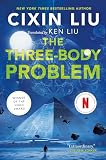
The Three-Body Problem
Try This Instead

Not sure if this is the right fit?

Consider The Three-Body Problem by Cixin Liu. Recommended by 24 sources.

This novel starts as a mystery rooted in a woman’s tragic experience during China’s Cultural Revolution, then spirals into a high-concept alien contact story built on intricate physics and game theory. The useful part lies in its audacious imagination: a three-body solar system, a virtual reality game, and a shocking revelation about humanity’s place in the universe. The limiting part may be its cold, analytical style and flat characters; emotion takes a backseat to ideas, and the scientific digressions can feel like lectures. It’s a slow burn that rewards intellectual curiosity but might alienate those craving warmth or narrative immediacy.

Similar books

How recommendation signals are reviewed

Each recommendation is collected from a public source — interviews, articles, or curated lists — and linked to its original URL. Books with many verifiable recommendations from respected people rank higher.

The City We Became

The City We Became

View on Amazon →