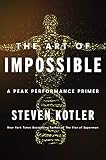
A Peak Performance Primer
by Steven Kotler

Recommended by Brianne Kimmel
Check price on AmazonProof-backed recommendation
Amazon availability
Kotler writes in high-energy, anecdote-rich chapters that pair vivid profiles of elite performers with takeaways for how to push focus, set bigger goals, and engineer flow states. The most useful parts are concrete triggers and attention hacks you can try on a single project. Downsides: examples often repeat, the tone can feel breathless, and methodological depth is thin compared with academic treatments—so the book works best if you arrive with a clear target to test its suggestions immediately.
This summary and audience guidance are AI-generated from the book's description and its recommendation history, last updated June 2026. Recommendations, quotes and sources elsewhere on this page come from published material and are not generated.
Bestselling author, peak performance expert and Executive Director of the Flow Research Collective, Steven Kotler decodes the secrets of those elite performers—athletes, artists, scientists, CEOs and more—who have changed our definition of the possible, teaching us how we too can stretch far beyond our capabilities, making impossible dreams much mo...
Difficulty:easy
Check formats, pricing, and availability options for Kindle, physical print, or audiobooks directly.
View available editions on AmazonWhy recommended
Recommended by 2 sources and appears in Most Recommended Books.
People and public figures who have recommended this book.
Recommendation proof is sourced from public posts, interviews, reading lists, and cited references.
Brianne Kimmel
Ukrainian-American venture capitalist and angel investor
“Wow, this book is incredible. Highly recommend and plan to write a long format essay on how it helped my daily productivity and long haul creativity.”
Check formats, pricing, and availability options directly on Amazon.
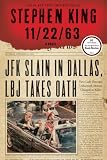
Consider 11/22/63 by Stephen King. Recommended by 4 sources.
“Starts as a lean, suspenseful time-travel premise that quickly settles into an immersive, character-focused saga. Its chief useful part is the way everyday 1960s small-town life and personal relationships make the historical stakes feel immediate; the novel rewards readers who relish atmosphere and slow moral puzzles. The main limitation is length and digressions—long domestic passages and episodic subplots stretch the middle and can undercut urgency for readers who wanted a tighter thriller.”
Each recommendation is collected from a public source — interviews, articles, or curated lists — and linked to its original URL. Books with many verifiable recommendations from respected people rank higher.