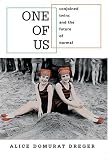
One of Us
Conjoined Twins and the Future of Normal
by Alice Domurat Dreger
Recommended by John Green and Brian Earp
Check price on AmazonProof-backed recommendation
Amazon availability
Reading Profile
Should I read this?
Starts with first-person accounts of people born with atypical anatomies, then shifts into historical and ethical investigation. The reading experience alternates intimate life stories and archival analysis, which is useful for understanding how social norms shape medical decisions. Its useful part is giving sustained attention to voices usually sidelined in clinical literature; its main limitation is occasional academic density and repetition—long contextual chapters can feel slow after the personal narratives. Read as a blend of reportage and moral argument rather than a how-to or quick primer.
Read this if...
- •bioethics instructor redesigning a week-long seminar on bodily autonomy and surgical decision-making for next term — offers contemporary case material and historical background to prompt student debate and bring patient-centered testimony into class discussions right now.
- •paediatrics resident about to begin neonatal rotations or consults involving atypical genitalia — a chance to read patient and family perspectives before meeting affected families so you enter clinical encounters with more context (not a clinical protocol).
- •doctoral student in history or sociology assembling a literature review for a grant or dissertation chapter on medical visibility and stigma — provides archival framing and firsthand testimony you can cite and contrast with clinical sources during proposal writing.
Skip this if...
- •you'll likely put it down when extensive archival history and policy analysis replace the opening personal narratives; those middle chapters can feel slow.
- •annoying if you prefer clear, step-by-step guidance or practical exercises — no hands-on exercises or quick prescriptions are included.
- •not for readers seeking a breezy memoir or uplifting narrative arc; tone moves between empathetic reporting and analytical, sometimes clinical, critique.
Must children born with socially challenging anatomies have their bodies changed because others cannot be expected to change their minds One of Us views conjoined twinning and other abnormalities from the point of view of people living with such anatomies, and considers these issues within the larger historical context of anatomical politics. Anat...
Before You Buy
Reading Specifications
Difficulty:hard
Audience Fit
- bioethics instructor redesigning a week-long seminar on bodily autonomy and surgical decision-making for next term — offers contemporary case material and historical background to prompt student debate and bring patient-centered testimony into class discussions right now.
- paediatrics resident about to begin neonatal rotations or consults involving atypical genitalia — a chance to read patient and family perspectives before meeting affected families so you enter clinical encounters with more context (not a clinical protocol).
- doctoral student in history or sociology assembling a literature review for a grant or dissertation chapter on medical visibility and stigma — provides archival framing and firsthand testimony you can cite and contrast with clinical sources during proposal writing.
- you'll likely put it down when extensive archival history and policy analysis replace the opening personal narratives; those middle chapters can feel slow.
- annoying if you prefer clear, step-by-step guidance or practical exercises — no hands-on exercises or quick prescriptions are included.
- not for readers seeking a breezy memoir or uplifting narrative arc; tone moves between empathetic reporting and analytical, sometimes clinical, critique.
Check formats, pricing, and availability options for Kindle, physical print, or audiobooks directly.
View available editions on AmazonKey themes
Why recommended
Recommended by 3 sources and appears in Most Recommended Books.
Recommended by notable people
People and public figures who have recommended this book.
Recommendation Signals
Recommendation proof is sourced from public posts, interviews, reading lists, and cited references.
Appears In

Not sure if this is the right fit?
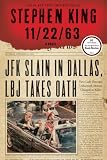
Consider 11/22/63 by Stephen King. Recommended by 4 sources.
“Starts as a lean, suspenseful time-travel premise that quickly settles into an immersive, character-focused saga. Its chief useful part is the way everyday 1960s small-town life and personal relationships make the historical stakes feel immediate; the novel rewards readers who relish atmosphere and slow moral puzzles. The main limitation is length and digressions—long domestic passages and episodic subplots stretch the middle and can undercut urgency for readers who wanted a tighter thriller.”
Similar books

11/22/63
Stephen King
40 Chances
Howard G. Buffett12 Rules for Life
Jordan Peterson21 Lessons for the 21st Century
Yuval Noah Harari
100 Endgames You Must Know
Jesus de la Villa10% Happier
Dan Harris100 Baggers
Christopher W Mayer300 Arguments
Sarah MangusoHow recommendation signals are reviewed
Each recommendation is collected from a public source — interviews, articles, or curated lists — and linked to its original URL. Books with many verifiable recommendations from respected people rank higher.