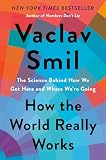
How the World Really Works
The Science Behind How We Got Here and Where We're Going
by Vaclav Smil
2 more
More Recommenders
“5 books to build big, worldwide perspective 1. Lessons of History (Durant) 2. Factfulness (Rosling) 3. Ten Global Trends (Bailey & Tupy) 4. How the World Really Works (Smil) 5. Against the Gods (Bernstein) Bonus. The Prize (Yergin) What else | @RamaRDH Great book! | @rakeshm @bryanrbeal That was a super eyeopening book! | Summer’s almost over. If you have time to sneak in another book or two – here are a few I recommend.”
Source →“5 books to build big, worldwide perspective 1. Lessons of History (Durant) 2. Factfulness (Rosling) 3. Ten Global Trends (Bailey & Tupy) 4. How the World Really Works (Smil) 5. Against the Gods (Bernstein) Bonus. The Prize (Yergin) What else | @RamaRDH Great book! | @rakeshm @bryanrbeal That was a super eyeopening book! | Summer’s almost over. If you have time to sneak in another book or two – here are a few I recommend.”
Source →Recommended by 4 notable people, including Bill Gates and Patrick OShaughnessy
Check price on AmazonProof-backed recommendation
Amazon availability
Reading Profile
Should I read this?
Vaclav Smil’s work lays out a relentless, numbers-first inventory of energy systems, material flows, food production and infrastructure. Its most useful move is forcing readers to think in rates, efficiencies and physical limits instead of slogans and hopeful forecasts. Prose stays utilitarian: precise figures, layered calculations and factory-floor detail dominate. That precision becomes a weakness for readers expecting narrative pacing or operational roadmaps, because the book favors diagnosis and measurement over step-by-step solutions. Dry, repetitive lists of statistics can feel tedious and slow the book’s momentum.
Read this if...
- •city planner weighing transit, grid and resilience investments — needs sober, scale-aware comparisons to brief elected officials and avoid simplistic claims about capacity and trade-offs.
- •sustainability analyst preparing an internal briefing on food and energy constraints — wants concrete material-flow estimates and throughput numbers rather than optimistic manifestos.
- •mid-career infrastructure engineer building regional scenario models — needs lifetimes, efficiencies and production rates to calibrate capacity, failure points and realistic timelines.
Skip this if...
- •You'll likely put it down when chapters become long inventories of numbers and technical digressions — readers who want narrative momentum or character-driven examples tend to drop off here.
- •Annoying if you prefer upbeat futurism or emotional storytelling; the tone is sober and often curmudgeonly rather than inspirational.
- •Not for anyone expecting step-by-step policy templates or hands-on solutions — the book diagnoses constraints and trade-offs more than it hands out operational prescriptions.
An essential analysis of the modern science and Technology, that makes our twenty-first century lives possiblea scientist's investigation into what science really does, and does not, accomplish.We have never had so much information at our fingertips and yet most of us don't know how the world really works. This book explains seven of the most fund...
Before You Buy
Reading Specifications
Difficulty:hard
Audience Fit
- city planner weighing transit, grid and resilience investments — needs sober, scale-aware comparisons to brief elected officials and avoid simplistic claims about capacity and trade-offs.
- sustainability analyst preparing an internal briefing on food and energy constraints — wants concrete material-flow estimates and throughput numbers rather than optimistic manifestos.
- mid-career infrastructure engineer building regional scenario models — needs lifetimes, efficiencies and production rates to calibrate capacity, failure points and realistic timelines.
- You'll likely put it down when chapters become long inventories of numbers and technical digressions — readers who want narrative momentum or character-driven examples tend to drop off here.
- Annoying if you prefer upbeat futurism or emotional storytelling; the tone is sober and often curmudgeonly rather than inspirational.
- Not for anyone expecting step-by-step policy templates or hands-on solutions — the book diagnoses constraints and trade-offs more than it hands out operational prescriptions.
Check formats, pricing, and availability options for Kindle, physical print, or audiobooks directly.
View available editions on AmazonKey themes
Why recommended
Recommended by 5 sources and appears in Most Recommended Books.
Recommended by notable people
People and public figures who have recommended this book.
Recommendation Signals
Recommendation proof is sourced from public posts, interviews, reading lists, and cited references.
Timothy Sykes
“5 books to build big, worldwide perspective 1. Lessons of History (Durant) 2. Factfulness (Rosling) 3. Ten Global Trends (Bailey & Tupy) 4. How the World Really Works (Smil) 5. Against the Gods (Bernstein) Bonus. The Prize (Yergin) What else | @RamaRDH Great book! | @rakeshm @bryanrbeal That was a super eyeopening book! | Summer’s almost over. If you have time to sneak in another book or two – here are a few I recommend.”
View sources (4) ▾80%
Appears In

Not sure if this is the right fit?
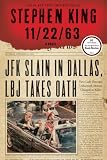
Consider 11/22/63 by Stephen King. Recommended by 4 sources.
“Starts as a lean, suspenseful time-travel premise that quickly settles into an immersive, character-focused saga. Its chief useful part is the way everyday 1960s small-town life and personal relationships make the historical stakes feel immediate; the novel rewards readers who relish atmosphere and slow moral puzzles. The main limitation is length and digressions—long domestic passages and episodic subplots stretch the middle and can undercut urgency for readers who wanted a tighter thriller.”
Similar books

11/22/63
Stephen King
40 Chances
Howard G. Buffett12 Rules for Life
Jordan Peterson21 Lessons for the 21st Century
Yuval Noah Harari
100 Endgames You Must Know
Jesus de la Villa10% Happier
Dan Harris100 Baggers
Christopher W Mayer300 Arguments
Sarah MangusoHow recommendation signals are reviewed
Each recommendation is collected from a public source — interviews, articles, or curated lists — and linked to its original URL. Books with many verifiable recommendations from respected people rank higher.