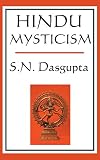
by S. N. Dasgupta

Recommended by Steve Jobs
Check price on AmazonProof-backed recommendation
Amazon availability
Hindu Mysticism reads like a systematic, lecture-style survey aimed at beginners who want an organized map rather than devotional inspiration. Its value is the clear taxonomy — sacrificial origins followed by separate treatments of Upanisadic, Yogic, and Buddistic strains — and a philosophically-minded author's attempt to link historical types. Its main limitation is tone: formal, sometimes abstract prose and close-grained classification can feel dry or schematic, and readers looking for personal narrative, practical guidance, or contemporary-friendly language may find it arid.
This summary and audience guidance are AI-generated from the book's description and its recommendation history, last updated June 2026. Recommendations, quotes and sources elsewhere on this page come from published material and are not generated.
This book is a systematic introduction to Hindu Mysticism intended mainly for a reader new to the subject. The work of a noted 20th Indian philosopher and teacher, it is an absorbing book to read. From a description of the early sacrificial type, the author goes on to deal with four types of mysticism: the Upanisadic, The Yogic, the Buddistic, and ...
Difficulty:hard
Check formats, pricing, and availability options for Kindle, physical print, or audiobooks directly.
View available editions on AmazonWhy recommended
Recommended by 2 sources and appears in Most Recommended Books.
People and public figures who have recommended this book.
Recommendation proof is sourced from public posts, interviews, reading lists, and cited references.
Steve Jobs
“Steve Jobs and I definitely read Hindu Mysticism prior to the India trip.”
Check formats, pricing, and availability options directly on Amazon.
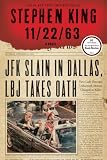
Consider 11/22/63 by Stephen King. Recommended by 4 sources.
“Starts as a lean, suspenseful time-travel premise that quickly settles into an immersive, character-focused saga. Its chief useful part is the way everyday 1960s small-town life and personal relationships make the historical stakes feel immediate; the novel rewards readers who relish atmosphere and slow moral puzzles. The main limitation is length and digressions—long domestic passages and episodic subplots stretch the middle and can undercut urgency for readers who wanted a tighter thriller.”
Each recommendation is collected from a public source — interviews, articles, or curated lists — and linked to its original URL. Books with many verifiable recommendations from respected people rank higher.