BookMentionsBookMentions
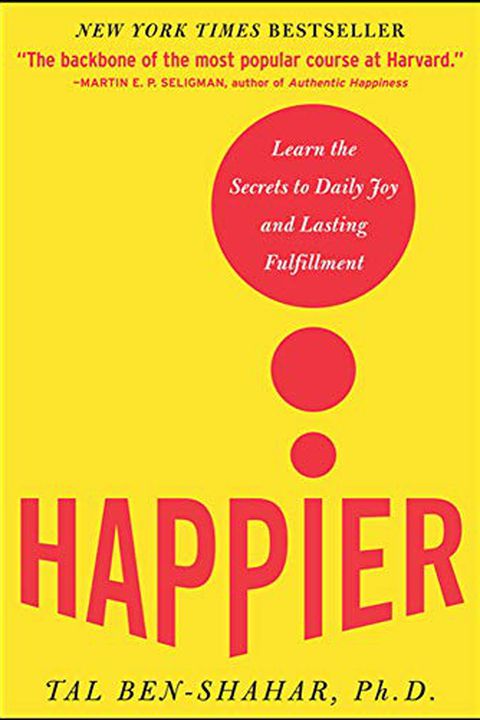
Happier
1 recommendations

Happier

Learn the Secrets to Daily Joy and Lasting Fulfillment

by Tal BenShahar

Recommended by Tony Hsieh

Recommended by Tony Hsieh

Check price on Amazon

Proof-backed recommendation

Amazon availability

Reading Profile

Difficulty:hard
Themes:science summaries vs storytellingshort-term mood vs long-term meaning

Should I read this?

Starts in an upbeat, lecturey voice that pairs brief summaries of positive-psychology findings with classroom anecdotes. Useful as a practical primer: it hands you approachable habits and reframes (gratitude, flow, choice architecture) you can try, and is reassuring when you need simple next steps. Limiting when you want rigorous, skeptical analysis—examples repeat, citations are lightweight, and the sunny tone can sidestep real-world constraints on wellbeing. Best read slowly and selectively rather than as an academic survey; some may find the optimism bordering on prescriptive.

Read this if...

  • a product manager at a large, slow-moving company preparing a short internal wellbeing pilot who needs conversational talking points and small, testable habits to propose to leadership this quarter — the book’s short chapters and anecdotal examples make it easy to pull ready-to-run suggestions now
  • a graduate teaching assistant building a one-week module on applied positive psychology who wants an accessible assigned reading with clear examples and brief chapters for students — the book’s readable tone and bite-sized sections fit into a tight syllabus this term
  • a parent returning to part-time work juggling childcare and tasks who wants quick, practical mood tools to try between caregiving blocks — short, actionable suggestions make it workable to experiment immediately without a big time commitment

Skip this if...

  • you'll likely put it down when anecdotes and upbeat slogans start repeating; midbook repetition is the common drop-off point
  • annoying if you prefer detailed footnotes, dense methodology, or critical nuance — the evidence is presented lightly rather than rigorously
  • not for readers who dislike prescriptive optimism or feel that structural and economic factors are essential to wellbeing — tone can feel individually focused and upbeat to a fault

Can You Learn to Be HappyYES . . . according to the teacher of Harvard University's most popular and lifechanging course. One out of every five Harvard students has lined up to hear Tal BenShahar's insightful and inspiring lectures on that everelusive state: HAPPINESS.HOW Grounded in the revolutionary "positive psychology" movement, BenShahar...

Before You Buy

Reading Specifications

Difficulty:hard

Themes:
science summaries vs storytellingshort-term mood vs long-term meaninghabit-hacks vs deeper work

Audience Fit

Recommended for:
  • a product manager at a large, slow-moving company preparing a short internal wellbeing pilot who needs conversational talking points and small, testable habits to propose to leadership this quarter — the book’s short chapters and anecdotal examples make it easy to pull ready-to-run suggestions now
  • a graduate teaching assistant building a one-week module on applied positive psychology who wants an accessible assigned reading with clear examples and brief chapters for students — the book’s readable tone and bite-sized sections fit into a tight syllabus this term
  • a parent returning to part-time work juggling childcare and tasks who wants quick, practical mood tools to try between caregiving blocks — short, actionable suggestions make it workable to experiment immediately without a big time commitment
Not ideal if you want:
  • you'll likely put it down when anecdotes and upbeat slogans start repeating; midbook repetition is the common drop-off point
  • annoying if you prefer detailed footnotes, dense methodology, or critical nuance — the evidence is presented lightly rather than rigorously
  • not for readers who dislike prescriptive optimism or feel that structural and economic factors are essential to wellbeing — tone can feel individually focused and upbeat to a fault

Check formats, pricing, and availability options for Kindle, physical print, or audiobooks directly.

View available editions on Amazon

Key themes

science summaries vs storytellingshort-term mood vs long-term meaninghabit-hacks vs deeper workindividual optimism vs social constraints

Why recommended

Recommended by 1 source and appears in Psychology, Psychology, and Personal Development.

Recommended by notable people

People and public figures who have recommended this book.

Recommendation Signals

Recommendation proof is sourced from public posts, interviews, reading lists, and cited references.

T

Tony Hsieh

Recommended this book

30%

Appears In

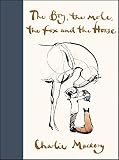
The Boy, the Mole, the Fox and the Horse
Try This Instead

Not sure if this is the right fit?

Consider The Boy, the Mole, the Fox and the Horse by Charlie Mackesy. Recommended by 8 sources.

Soft-spoken, heavily illustrated fable built from short dialogues and watercolor sketches. Each spread pairs a spare line of text with a loose drawing, so the pleasure is visual and aphoristic rather than narrative; readers collect felt-true sentences more than plot. Most useful when you want quick consolations, a prompt for conversation with a child, or a pause during a rough day. Limiting if you want sustained argument, concrete advice, or tightly plotted storytelling: the repetition of gentleness can feel sentimental or thin after a while.

Similar books

How recommendation signals are reviewed

Each recommendation is collected from a public source — interviews, articles, or curated lists — and linked to its original URL. Books with many verifiable recommendations from respected people rank higher.