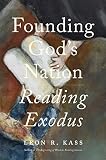
Reading Exodus
by Leon R Kass
Recommended by Ben Shapiro
Check price on AmazonProof-backed recommendation
Amazon availability
Reading Kass feels like following a disciplined scholar who steers close readings of Exodus toward questions of nationhood, law, and communal life. The book’s useful part is sustained, erudite attention to textual detail tied to civic-philosophical reflection, so it’s useful as a serious, text-first conversation about political beginnings. Its main limitation is density: long exegeses, repeated moral judgments, and learned digressions slow momentum and will frustrate readers wanting a brisk, contemporary policy lens.
This summary and audience guidance are AI-generated from the book's description and its recommendation history, last updated June 2026. Recommendations, quotes and sources elsewhere on this page come from published material and are not generated.
In this longawaited followup to his 2003 book on Genesis, humanist scholar Leon Kass explores how Exodus raises and then answers the central political questions of what defines a nation and how a nation should govern itself. Considered by some the most important book in the Hebrew Bible, Exodus tells the story of the Jewish people from their ensl...
Difficulty:hard
Check formats, pricing, and availability options for Kindle, physical print, or audiobooks directly.
View available editions on AmazonWhy recommended
Recommended by 2 sources and appears in Most Recommended Books.
People and public figures who have recommended this book.
Recommendation proof is sourced from public posts, interviews, reading lists, and cited references.
Ben Shapiro
“As Jews begin reading the book of Exodus this Shabbat, here's a terrific and worthwhile book on the subject from Leon Kass”
Check formats, pricing, and availability options directly on Amazon.
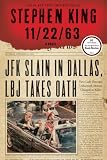
Consider 11/22/63 by Stephen King. Recommended by 4 sources.
“Starts as a lean, suspenseful time-travel premise that quickly settles into an immersive, character-focused saga. Its chief useful part is the way everyday 1960s small-town life and personal relationships make the historical stakes feel immediate; the novel rewards readers who relish atmosphere and slow moral puzzles. The main limitation is length and digressions—long domestic passages and episodic subplots stretch the middle and can undercut urgency for readers who wanted a tighter thriller.”
Each recommendation is collected from a public source — interviews, articles, or curated lists — and linked to its original URL. Books with many verifiable recommendations from respected people rank higher.