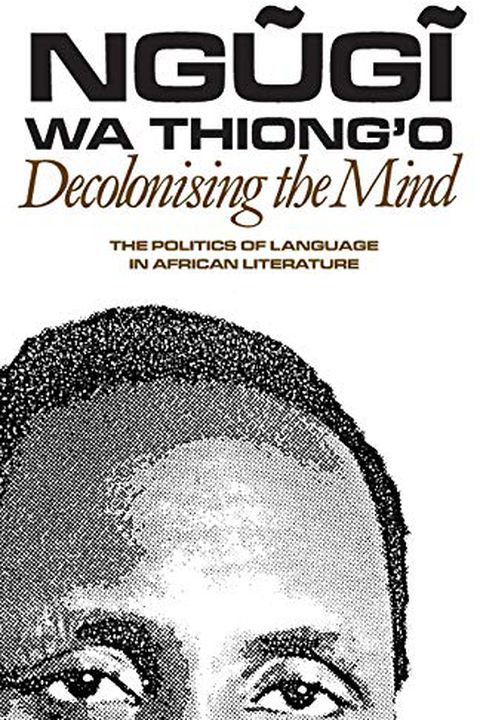
The Politics of Language in African Literature
by Ngugi Wa Thiong'O
Ngugi writes in a brisk, argumentative essay mode: part personal testimony, part cultural critique. The most useful material is his insistence that language choices are political — why writing and teaching in native languages reshapes who counts as audience and whom institutions serve. Expect rich historical sketches and theatrical anecdotes rather than policy blueprints. Limits: repetitions and a strong polemical tone can feel exhausting, and readers seeking empirical studies or step-by-step solutions will come away frustrated.
This summary and audience guidance are AI-generated from the book's description and its recommendation history, last updated June 2026. Recommendations, quotes and sources elsewhere on this page come from published material and are not generated.
Ngugi describes this book as "a summary of some of the issues in which I have been passionately involved for the last twenty years of my practice in fiction, theatre, criticism and in the teaching of literature.In the eighteenth and nineteenth centuries Europe stole art treasures from Africa to decorate their houses and museums; in the twentieth ce...
Difficulty:hard
Check formats, pricing, and availability options for Kindle, physical print, or audiobooks directly.
View available editions on AmazonWhy recommended
appears in Writing, Politics, and Philosophy.
Recommendation proof is sourced from public posts, interviews, reading lists, and cited references.
No verified recommendation proof available yet.
Check formats, pricing, and availability options directly on Amazon.
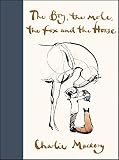
Consider The Boy, the Mole, the Fox and the Horse by Charlie Mackesy. Recommended by 8 sources.
“Soft-spoken, heavily illustrated fable built from short dialogues and watercolor sketches. Each spread pairs a spare line of text with a loose drawing, so the pleasure is visual and aphoristic rather than narrative; readers collect felt-true sentences more than plot. Most useful when you want quick consolations, a prompt for conversation with a child, or a pause during a rough day. Limiting if you want sustained argument, concrete advice, or tightly plotted storytelling: the repetition of gentleness can feel sentimental or thin after a while.”
Each recommendation is collected from a public source — interviews, articles, or curated lists — and linked to its original URL. Books with many verifiable recommendations from respected people rank higher.