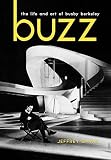
The Life and Art of Busby Berkeley
by Jeffrey Spivak
Recommended by Edgar Wright
Check price on AmazonProof-backed recommendation
Amazon availability
Jeffrey Spivak narrows his focus to lavish, camera-driven musical set pieces, delivering dense, shot-by-shot reconstructions of staging, camera movement, and geometric patterns. Reading often feels like watching a narrated rewatch: long paragraphs recreate spectacle through technical detail and close visual description. Most useful are the precise production notes and staging vocabulary that help re-evaluate or rewatch specific sequences. Limitation: the book's tight visual focus leaves broader cultural or studio history thin, and repetitive technical breakdowns can wear a casual reader down.
This summary and audience guidance are AI-generated from the book's description and its recommendation history, last updated June 2026. Recommendations, quotes and sources elsewhere on this page come from published material and are not generated.
Characterized by grandiose songanddance numbers featuring ornate geometric patterns and mimicked in many modern films, Busby Berkeley's unique artistry is as recognizable and striking as ever. From his years on Broadway to the director's chair, Berkeley is notorious for his inventiveness and signature style. Through sensational films like 42nd St...
Difficulty:hard
Check formats, pricing, and availability options for Kindle, physical print, or audiobooks directly.
View available editions on AmazonWhy recommended
Recommended by 2 sources and appears in Most Recommended Books.
People and public figures who have recommended this book.
Recommendation proof is sourced from public posts, interviews, reading lists, and cited references.
Edgar Wright
“Books: Pictures At A Revolution, Seduction: Sex, Lies, and Stardom in Howard Hughes's Hollywood, Tinseltown: Murder, Morphine & Madness at the Dawn of Hollywood, Buzz: The Life and Art of Busby Berkeley, Hollywood Babylon (and then Karina Longworth podcast that fact checks it) x”
Check formats, pricing, and availability options directly on Amazon.
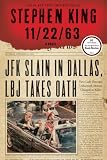
Consider 11/22/63 by Stephen King. Recommended by 4 sources.
“Starts as a lean, suspenseful time-travel premise that quickly settles into an immersive, character-focused saga. Its chief useful part is the way everyday 1960s small-town life and personal relationships make the historical stakes feel immediate; the novel rewards readers who relish atmosphere and slow moral puzzles. The main limitation is length and digressions—long domestic passages and episodic subplots stretch the middle and can undercut urgency for readers who wanted a tighter thriller.”
Each recommendation is collected from a public source — interviews, articles, or curated lists — and linked to its original URL. Books with many verifiable recommendations from respected people rank higher.